ACKR4
Gene Information
- Official Symbol: ACKR4
- Official Name: atypical chemokine receptor 4
- Aliases and Previous Symbols: N/A
- Entrez ID: 51554
- UniProt: Q9NPB9
- Interactions: BioGRID
- PubMed articles: Open PubMed
- OMIM: Open OMIM
Function Summary
- Entrez Summary: N/A
- UniProt Summary: Atypical chemokine receptor that controls chemokine levels and localization via high-affinity chemokine binding that is uncoupled from classic ligand-driven signal transduction cascades, resulting instead in chemokine sequestration, degradation, or transcytosis. Also known as interceptor (internalizing receptor) or chemokine-scavenging receptor or chemokine decoy receptor. Acts as a receptor for chemokines CCL2, CCL8, CCL13, CCL19, CCL21 and CCL25. Chemokine-binding does not activate G-protein-mediated signal transduction but instead induces beta-arrestin recruitment, leading to ligand internalization. Plays an important role in controlling the migration of immune and cancer cells that express chemokine receptors CCR7 and CCR9, by reducing the availability of CCL19, CCL21, and CCL25 through internalization. Negatively regulates CXCR3-induced chemotaxis. Regulates T-cell development in the thymus. {ECO:0000269|PubMed:10706668, ECO:0000269|PubMed:23121557, ECO:0000269|PubMed:23341447}.
CRISPR Data
Essentiality in NALM6
- Essentiality Rank: 15748
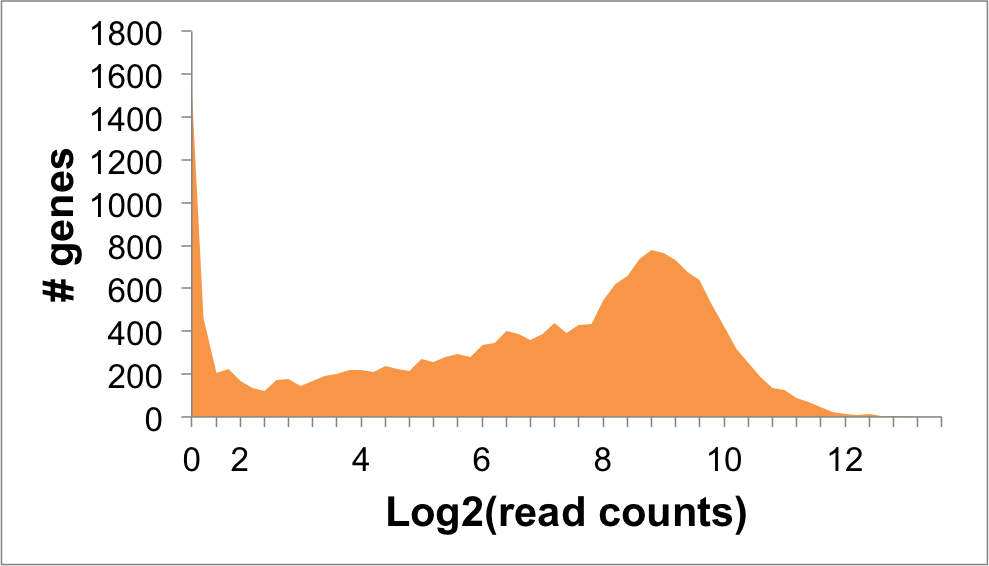
- Expression level (log2 read counts): -0.41
ACKR4 Expression in NALM6 Cells: -0.41