GPR132
Gene Information
- Official Symbol: GPR132
- Official Name: G protein-coupled receptor 132
- Aliases and Previous Symbols: N/A
- Entrez ID: 29933
- UniProt: Q9UNW8
- Interactions: BioGRID
- PubMed articles: Open PubMed
- OMIM: Open OMIM
Function Summary
- Entrez Summary: N/A
- UniProt Summary: May be a receptor for oxidized free fatty acids derived from linoleic and arachidonic acids such as 9- hydroxyoctadecadienoic acid (9-HODE). Activates a G alpha protein, most likely G alpha(q). May be involved in apoptosis. Functions at the G2/M checkpoint to delay mitosis. May function as a sensor that monitors the oxidative states and mediates appropriate cellular responses such as secretion of paracrine signals and attenuation of proliferation. May mediate ths accumulation of intracellular inositol phosphates at acidic pH through proton- sensing activity. {ECO:0000269|PubMed:12586833, ECO:0000269|PubMed:19855098, ECO:0000269|PubMed:9770487}.
CRISPR Data
Essentiality in NALM6
- Essentiality Rank: 3502
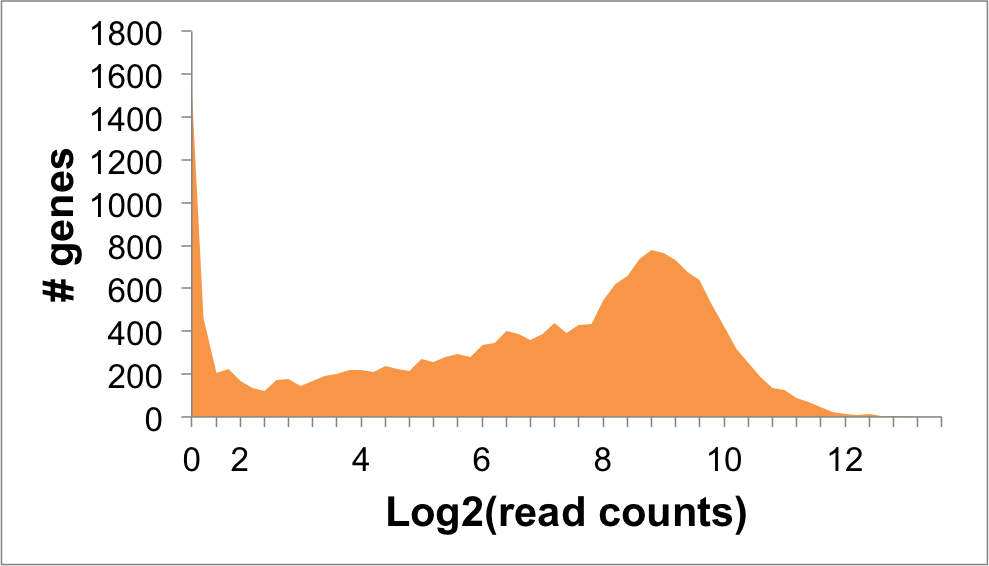
- Expression level (log2 read counts): 1.93
GPR132 Expression in NALM6 Cells: 1.93