IGFBP7
Gene Information
- Official Symbol: IGFBP7
- Official Name: insulin like growth factor binding protein 7
- Aliases and Previous Symbols: N/A
- Entrez ID: 3490
- UniProt: Q16270
- Interactions: BioGRID
- PubMed articles: Open PubMed
- OMIM: Open OMIM
Function Summary
- Entrez Summary: This gene encodes a member of the insulin-like growth factor (IGF)-binding protein (IGFBP) family. IGFBPs bind IGFs with high affinity, and regulate IGF availability in body fluids and tissues and modulate IGF binding to its receptors. This protein binds IGF-I and IGF-II with relatively low affinity, and belongs to a subfamily of low-affinity IGFBPs. It also stimulates prostacyclin production and cell adhesion. Alternatively spliced transcript variants encoding different isoforms have been described for this gene, and one variant has been associated with retinal arterial macroaneurysm (PMID:21835307). [provided by RefSeq, Dec 2011].
- UniProt Summary: Binds IGF-I and IGF-II with a relatively low affinity. Stimulates prostacyclin (PGI2) production. Stimulates cell adhesion. {ECO:0000269|PubMed:8117260, ECO:0000269|PubMed:8939990}.
CRISPR Data
Essentiality in NALM6
- Essentiality Rank: 4088
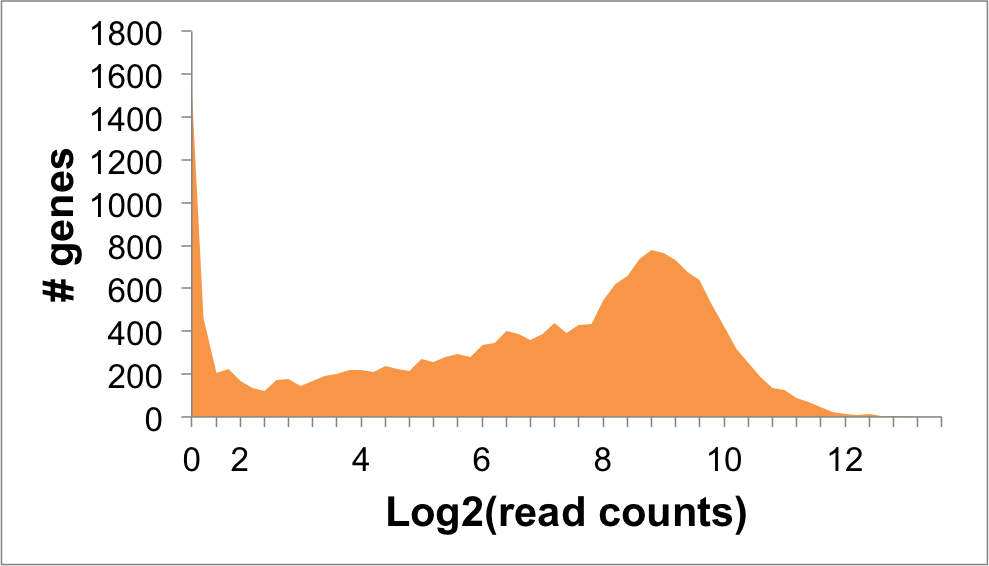
- Expression level (log2 read counts): 1.97
IGFBP7 Expression in NALM6 Cells: 1.97