NEIL3
Gene Information
- Official Symbol: NEIL3
- Official Name: nei like DNA glycosylase 3
- Aliases and Previous Symbols: N/A
- Entrez ID: 55247
- UniProt: Q8TAT5
- Interactions: BioGRID
- PubMed articles: Open PubMed
- OMIM: Open OMIM
Function Summary
- Entrez Summary: N/A
- UniProt Summary: DNA glycosylase which prefers single-stranded DNA (ssDNA), or partially ssDNA structures such as bubble and fork structures, to double-stranded DNA (dsDNA). In vitro, displays strong glycosylase activity towards the hydantoin lesions spiroiminodihydantoin (Sp) and guanidinohydantoin (Gh) in both ssDNA and dsDNA; also recognizes FapyA, FapyG, 5-OHU, 5-OHC, 5- OHMH, Tg and 8-oxoA lesions in ssDNA. No activity on 8-oxoG detected. Also shows weak DNA-(apurinic or apyrimidinic site) lyase activity. In vivo, appears to be the primary enzyme involved in removing Sp and Gh from ssDNA in neonatal tissues. Seems to be an important facilitator of cell proliferation in certain populations, for example neural stem/progenitor cells and tumor cells, suggesting a role in replication-associated DNA repair. {ECO:0000269|PubMed:12433996, ECO:0000269|PubMed:19170771, ECO:0000269|PubMed:22569481, ECO:0000269|PubMed:23755964}.
CRISPR Data
Essentiality in NALM6
- Essentiality Rank: 13815
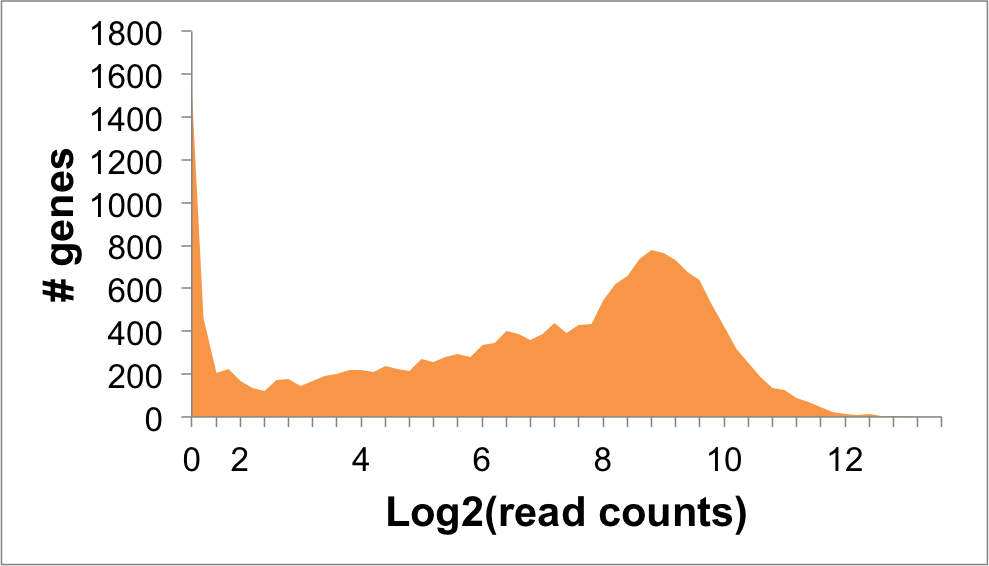
- Expression level (log2 read counts): 4.36
NEIL3 Expression in NALM6 Cells: 4.36