OBP2A
Gene Information
- Official Symbol: OBP2A
- Official Name: odorant binding protein 2A
- Aliases and Previous Symbols: N/A
- Entrez ID: 29991
- UniProt: Q9NY56
- Interactions: BioGRID
- PubMed articles: Open PubMed
- OMIM: Open OMIM
Function Summary
- Entrez Summary: This gene encodes a small extracellular protein belonging to the lipocalin superfamily. The protein is thought to transport small, hydrophobic, volatile molecules or odorants through the nasal mucus to olfactory receptors, and may also function as a scavenger of highly concentrated or toxic odors. The protein is expressed as a monomer in the nasal mucus, and can bind diverse types of odorants with a higher affinity for aldehydes and fatty acids. This gene and a highly similar family member are located in a cluster of lipocalin genes on chromosome 9. Alternatively spliced transcript variants have been described, but their biological validity has not been determined. [provided by RefSeq, Jul 2008].
- UniProt Summary: Probably binds and transports small hydrophobic volatile molecules with a higher affinity for aldehydes and large fatty acids. {ECO:0000269|PubMed:12044155}.
CRISPR Data
Essentiality in NALM6
- Essentiality Rank: 7535
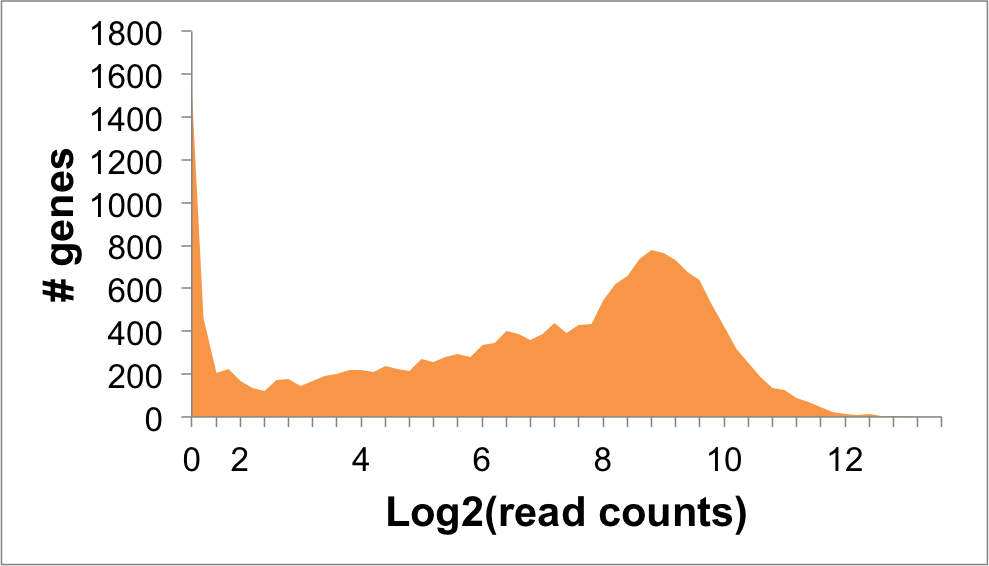
- Expression level (log2 read counts): -1.73
OBP2A Expression in NALM6 Cells: -1.73