OXTR
Gene Information
- Official Symbol: OXTR
- Official Name: oxytocin receptor
- Aliases and Previous Symbols: N/A
- Entrez ID: 5021
- UniProt: P30559
- Interactions: BioGRID
- PubMed articles: Open PubMed
- OMIM: Open OMIM
Function Summary
- Entrez Summary: N/A
- UniProt Summary: Receptor for oxytocin. The activity of this receptor is mediated by G proteins which activate a phosphatidylinositol- calcium second messenger system.
Pfam Domains GO Terms
Pfam Domains
| 7TM GPCR Srsx |
| 7TM GPCR Srv |
| 7tm 1 |
GO Terms
| oxytocin receptor activity |
| response to anoxia |
| positive regulation of norepinephrine secretion |
| regulation of systemic arterial blood pressure by vasopressin |
| sperm ejaculation |
| positive regulation of penile erection |
| negative regulation of gastric acid secretion |
| vasopressin receptor activity |
| positive regulation of uterine smooth muscle contraction |
| regulation of penile erection |
| maternal process involved in parturition |
| regulation of uterine smooth muscle contraction |
| insemination |
| positive regulation of synaptic transmission, GABAergic |
| regulation of gastric acid secretion |
| parental behavior |
| maternal behavior |
| positive regulation of catecholamine secretion |
| suckling behavior |
| sleep |
| copulation |
| parturition |
| regulation of norepinephrine secretion |
| estrous cycle |
| negative regulation of digestive system process |
| ERK1 and ERK2 cascade |
| reproductive behavior |
| eating behavior |
| positive regulation of smooth muscle contraction |
| positive regulation of vasoconstriction |
| response to amphetamine |
| regulation of synaptic transmission, GABAergic |
| positive regulation of synaptic transmission, glutamatergic |
| mating |
| positive regulation of amine transport |
| positive regulation of blood pressure |
| regulation of systemic arterial blood pressure by hormone |
| peptide hormone binding |
| regulation of digestive system process |
| lactation |
| positive regulation of muscle contraction |
| response to progesterone |
| regulation of systemic arterial blood pressure mediated by a chemical signal |
| response to amine |
| endocrine process |
| response to bronchodilator |
| intraspecies interaction between organisms |
| social behavior |
| response to cocaine |
| regulation of vasoconstriction |
| regulation of smooth muscle contraction |
| regulation of catecholamine secretion |
| microvillus |
| positive regulation of synapse assembly |
| multi-organism behavior |
| ovulation cycle |
| regulation of synaptic transmission, glutamatergic |
| positive regulation of blood circulation |
| body fluid secretion |
| response to anesthetic |
| positive regulation of reproductive process |
| feeding behavior |
| regulation of systemic arterial blood pressure |
| regulation of amine transport |
| positive regulation of cold-induced thermogenesis |
| regulation of synapse assembly |
| cell-cell adherens junction |
| response to alkaloid |
| memory |
| mammary gland development |
| digestive tract development |
| response to estradiol |
| regulation of blood vessel diameter |
| regulation of tube diameter |
| regulation of tube size |
| digestive system development |
| regulation of cold-induced thermogenesis |
| positive regulation of synaptic transmission |
| regulation of reproductive process |
| regulation of muscle contraction |
| vascular process in circulatory system |
| female pregnancy |
| regulation of blood pressure |
| response to ammonium ion |
| response to ketone |
| multi-multicellular organism process |
| regulation of synapse organization |
| regulation of synapse structure or activity |
| negative regulation of secretion |
| regulation of muscle system process |
| muscle contraction |
| telencephalon development |
| learning or memory |
| rhythmic process |
| positive regulation of cytosolic calcium ion concentration |
| regulation of blood circulation |
| cognition |
| muscle system process |
| response to xenobiotic stimulus |
| apical plasma membrane |
| regulation of cytosolic calcium ion concentration |
| response to steroid hormone |
| response to decreased oxygen levels |
| MAPK cascade |
| response to oxygen levels |
| forebrain development |
| blood circulation |
| response to peptide hormone |
| signal transduction by protein phosphorylation |
| circulatory system process |
| positive regulation of secretion by cell |
| gland development |
| positive regulation of secretion |
| cellular calcium ion homeostasis |
| modulation of chemical synaptic transmission |
| regulation of trans-synaptic signaling |
| calcium ion homeostasis |
| cellular divalent inorganic cation homeostasis |
| response to peptide |
| negative regulation of transport |
| divalent inorganic cation homeostasis |
| regulation of body fluid levels |
| response to toxic substance |
| positive regulation of multi-organism process |
| regulation of anatomical structure size |
| positive regulation of cellular component biogenesis |
| heart development |
| positive regulation of nervous system development |
| cellular metal ion homeostasis |
| behavior |
| regulation of system process |
| cellular response to hormone stimulus |
| metal ion homeostasis |
| cellular cation homeostasis |
| cellular ion homeostasis |
| cation homeostasis |
| inorganic ion homeostasis |
| brain development |
| cellular chemical homeostasis |
| regulation of secretion by cell |
| regulation of multi-organism process |
| head development |
| ion homeostasis |
| regulation of secretion |
| multicellular organismal reproductive process |
| sexual reproduction |
| multicellular organism reproduction |
| tube development |
| response to lipid |
| circulatory system development |
| cellular homeostasis |
| response to hormone |
| response to organic cyclic compound |
| regulation of nervous system development |
| regulation of cellular component biogenesis |
| protein phosphorylation |
| central nervous system development |
| positive regulation of transport |
| multi-organism reproductive process |
| response to organonitrogen compound |
| response to drug |
| response to nitrogen compound |
| response to cytokine |
| chemical homeostasis |
| secretion |
| response to abiotic stimulus |
| negative regulation of multicellular organismal process |
| positive regulation of cellular component organization |
| cellular response to endogenous stimulus |
| phosphorylation |
| G protein-coupled receptor signaling pathway |
| positive regulation of developmental process |
| nervous system process |
| integral component of plasma membrane |
| reproductive process |
| reproduction |
| response to endogenous stimulus |
| response to oxygen-containing compound |
| homeostatic process |
| intracellular signal transduction |
| positive regulation of multicellular organismal process |
| positive regulation of cell communication |
| positive regulation of signaling |
| regulation of transport |
| system process |
CRISPR Data
Compound Hit Most Correlated Genes in Chemogenomics Tissues where Essential in the Avana Dataset (DepMap 20Q1)
Compound Hit
No hits were found.
Most Correlated Genes in Chemogenomics
No correlation found to any other genes in chemogenomics.
Tissues where Essential in the Avana Dataset (DepMap 20Q1)
Global Fraction of Cell Lines Where Essential: 0/739
| Tissue | Fraction Of Cell Lines Where Essential |
|---|---|
| 1290807.0 | 0/1 |
| 909776.0 | 0/1 |
| bile duct | 0/28 |
| blood | 0/28 |
| bone | 0/26 |
| breast | 0/33 |
| central nervous system | 0/56 |
| cervix | 0/4 |
| colorectal | 0/17 |
| esophagus | 0/13 |
| fibroblast | 0/1 |
| gastric | 0/16 |
| kidney | 0/21 |
| liver | 0/20 |
| lung | 0/75 |
| lymphocyte | 0/16 |
| ovary | 0/26 |
| pancreas | 0/24 |
| peripheral nervous system | 0/16 |
| plasma cell | 0/15 |
| prostate | 0/1 |
| skin | 0/24 |
| soft tissue | 0/9 |
| thyroid | 0/2 |
| upper aerodigestive | 0/22 |
| urinary tract | 0/29 |
| uterus | 0/5 |
Essentiality in NALM6
- Essentiality Rank: 10264
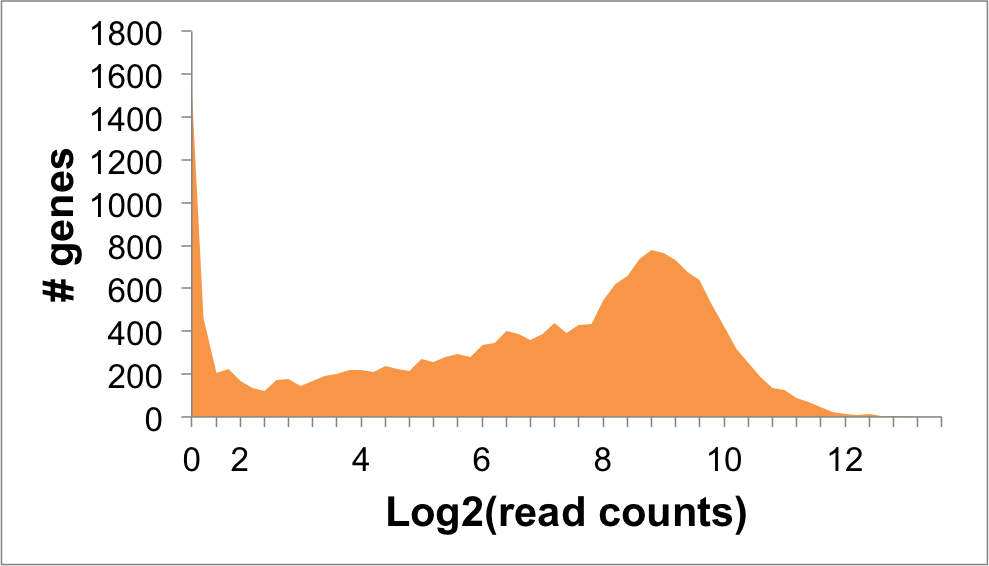
- Expression level (log2 read counts): 3.3
Expression Distribution
OXTR Expression in NALM6 Cells: 3.3