PCSK1N
Gene Information
- Official Symbol: PCSK1N
- Official Name: proprotein convertase subtilisin/kexin type 1 inhibitor
- Aliases and Previous Symbols: N/A
- Entrez ID: 27344
- UniProt: Q9UHG2
- Interactions: BioGRID
- PubMed articles: Open PubMed
- OMIM: Open OMIM
Function Summary
- Entrez Summary: N/A
- UniProt Summary: May function in the control of the neuroendocrine secretory pathway. Proposed be a specific endogenous inhibitor of PCSK1. ProSAAS and Big PEN-LEN, both containing the C-terminal inhibitory domain, but not the further processed peptides reduce PCSK1 activity in the endoplasmic reticulum and Golgi. It reduces the activity of the 84 kDa form but not the autocatalytically derived 66 kDa form of PCSK1. Subsequent processing of proSAAS may eliminate the inhibition. Slows down convertase-mediated processing of proopiomelanocortin and proenkephalin. May control the intracellular timing of PCSK1 rather than its total level of activity. The function of the processed secreted peptides is not known (By similarity). {ECO:0000250}.
CRISPR Data
Essentiality in NALM6
- Essentiality Rank: 17722
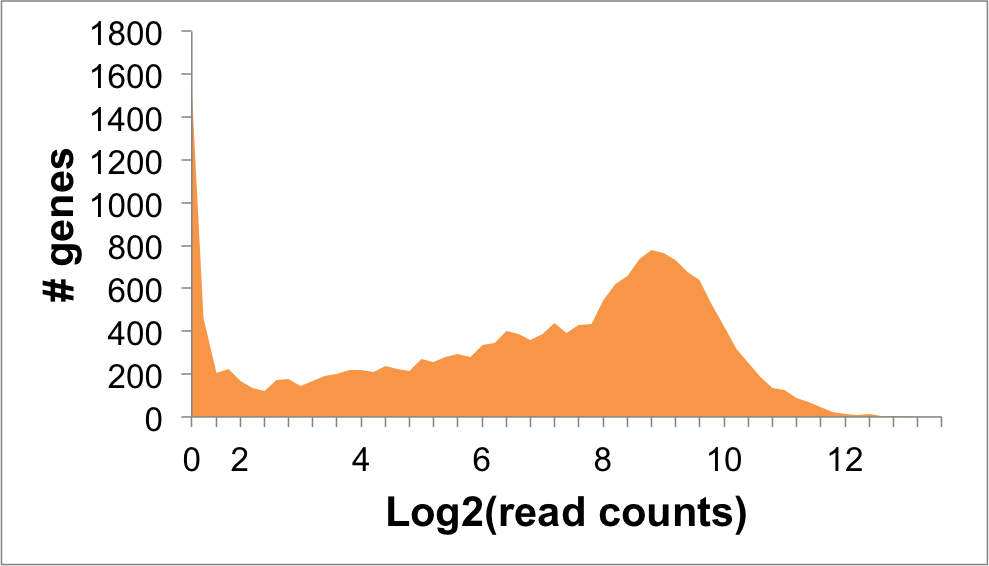
- Expression level (log2 read counts): -2.6
PCSK1N Expression in NALM6 Cells: -2.6