S100P
Gene Information
- Official Symbol: S100P
- Official Name: S100 calcium binding protein P
- Aliases and Previous Symbols: N/A
- Entrez ID: 6286
- UniProt: P25815
- Interactions: BioGRID
- PubMed articles: Open PubMed
- OMIM: Open OMIM
Function Summary
- Entrez Summary: N/A
- UniProt Summary: May function as calcium sensor and contribute to cellular calcium signaling. In a calcium-dependent manner, functions by interacting with other proteins, such as EZR and PPP5C, and indirectly plays a role in physiological processes like the formation of microvilli in epithelial cells. May stimulate cell proliferation in an autocrine manner via activation of the receptor for activated glycation end products (RAGE). {ECO:0000269|PubMed:14617629, ECO:0000269|PubMed:19111582, ECO:0000269|PubMed:22399290}.
CRISPR Data
Essentiality in NALM6
- Essentiality Rank: 12515
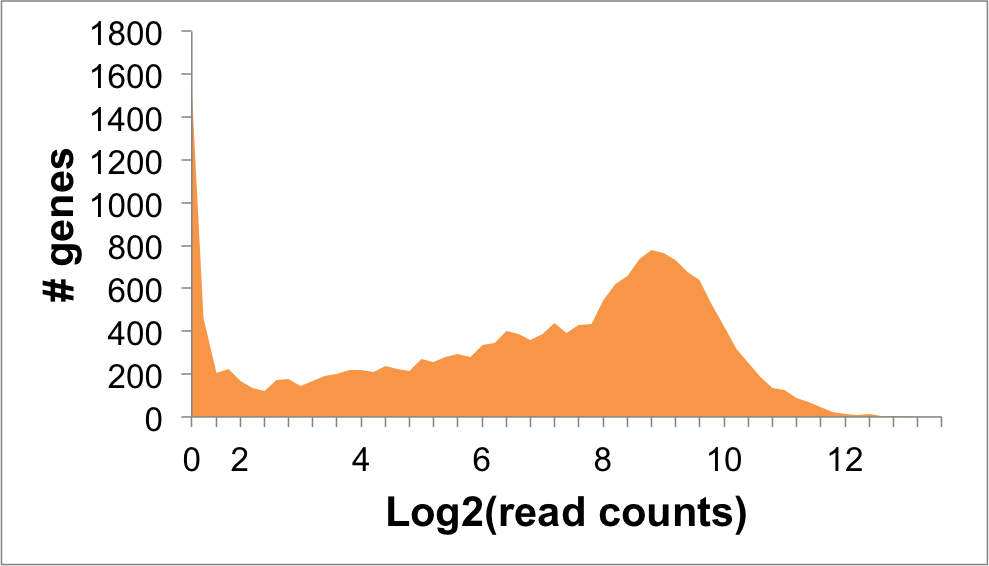
- Expression level (log2 read counts): -2.84
S100P Expression in NALM6 Cells: -2.84