SACS
Gene Information
- Official Symbol: SACS
- Official Name: sacsin molecular chaperone
- Aliases and Previous Symbols: N/A
- Entrez ID: 26278
- UniProt: Q9NZJ4
- Interactions: BioGRID
- PubMed articles: Open PubMed
- OMIM: Open OMIM
Function Summary
- Entrez Summary: This gene encodes the sacsin protein, which includes a UbL domain at the N-terminus, a DnaJ domain, and a HEPN domain at the C-terminus. The gene is highly expressed in the central nervous system, also found in skin, skeletal muscles and at low levels in the pancreas. This gene includes a very large exon spanning more than 12.8 kb. Mutations in this gene result in autosomal recessive spastic ataxia of Charlevoix-Saguenay (ARSACS), a neurodegenerative disorder characterized by early-onset cerebellar ataxia with spasticity and peripheral neuropathy. The authors of a publication on the effects of siRNA-mediated sacsin knockdown concluded that sacsin protects against mutant ataxin-1 and suggest that 'the large multi-domain sacsin protein is able to recruit Hsp70 chaperone action and has the potential to regulate the effects of other ataxia proteins' (Parfitt et al., PubMed: 19208651). A pseudogene associated with this gene is located on chromosome 11. Alternative splicing of this gene results in multiple transcript variants. [provided by RefSeq, May 2013].
- UniProt Summary: Co-chaperone which acts as a regulator of the Hsp70 chaperone machinery and may be involved in the processing of other ataxia-linked proteins. {ECO:0000269|PubMed:19208651}.
CRISPR Data
Essentiality in NALM6
- Essentiality Rank: 15573
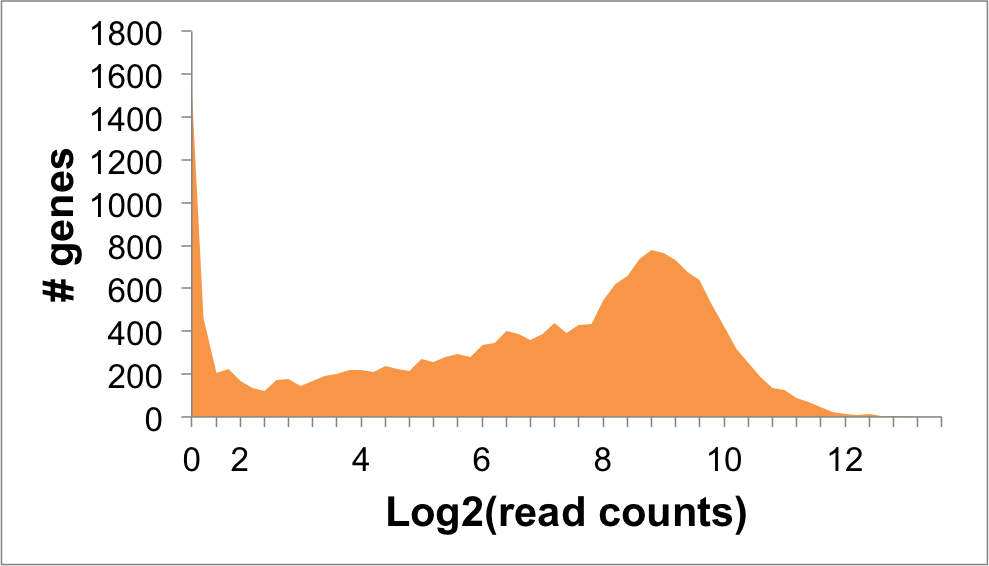
- Expression level (log2 read counts): 8.67
SACS Expression in NALM6 Cells: 8.67