CD5L
Gene Information
- Official Symbol: CD5L
- Official Name: CD5 molecule like
- Aliases and Previous Symbols: N/A
- Entrez ID: 922
- UniProt: O43866
- Interactions: BioGRID
- PubMed articles: Open PubMed
- OMIM: Open OMIM
Function Summary
- Entrez Summary: N/A
- UniProt Summary: Secreted protein that acts as a key regulator of lipid synthesis: mainly expressed by macrophages in lymphoid and inflammed tissues and regulates mechanisms in inflammatory responses, such as infection or atherosclerosis. Able to inhibit lipid droplet size in adipocytes. Following incorporation into mature adipocytes via CD36-mediated endocytosis, associates with cytosolic FASN, inhibiting fatty acid synthase activity and leading to lipolysis, the degradation of triacylglycerols into glycerol and free fatty acids (FFA). CD5L-induced lipolysis occurs with progression of obesity: participates in obesity-associated inflammation following recruitment of inflammatory macrophages into adipose tissues, a cause of insulin resistance and obesity- related metabolic disease. Regulation of intracellular lipids mediated by CD5L has a direct effect on transcription regulation mediated by nuclear receptors ROR-gamma (RORC). Acts as a key regulator of metabolic switch in T-helper Th17 cells. Regulates the expression of pro-inflammatory genes in Th17 cells by altering the lipid content and limiting synthesis of cholesterol ligand of RORC, the master transcription factor of Th17-cell differentiation. CD5L is mainly present in non-pathogenic Th17 cells, where it decreases the content of polyunsaturated fatty acyls (PUFA), affecting two metabolic proteins MSMO1 and CYP51A1, which synthesize ligands of RORC, limiting RORC activity and expression of pro-inflammatory genes. Participates in obesity- associated autoimmunity via its association with IgM, interfering with the binding of IgM to Fcalpha/mu receptor and enhancing the development of long-lived plasma cells that produce high-affinity IgG autoantibodies (By similarity). Also acts as an inhibitor of apoptosis in macrophages: promotes macrophage survival from the apoptotic effects of oxidized lipids in case of atherosclerosis (PubMed:24295828). Involved in early response to microbial infection against various pathogens by acting as a pattern recognition receptor and by promoting autophagy (PubMed:16030018, PubMed:24223991, PubMed:24583716, PubMed:25713983). {ECO:0000250|UniProtKB:Q9QWK4, ECO:0000269|PubMed:16030018, ECO:0000269|PubMed:24223991, ECO:0000269|PubMed:24295828, ECO:0000269|PubMed:24583716, ECO:0000269|PubMed:25713983}.
CRISPR Data
Essentiality in NALM6
- Essentiality Rank: 10927
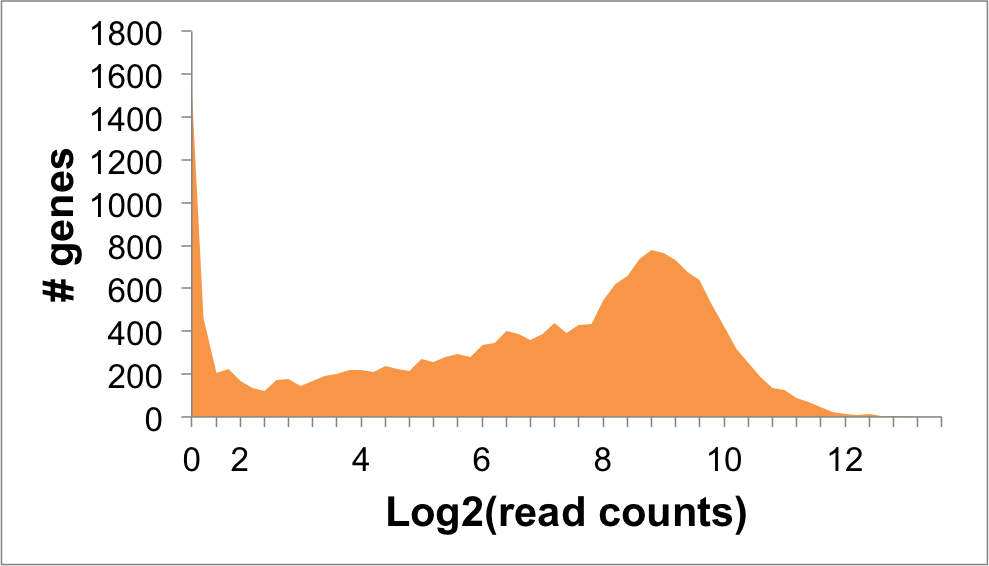
- Expression level (log2 read counts): -4.79
CD5L Expression in NALM6 Cells: -4.79