CLDN16
Gene Information
- Official Symbol: CLDN16
- Official Name: claudin 16
- Aliases and Previous Symbols: N/A
- Entrez ID: 10686
- UniProt: Q9Y5I7
- Interactions: BioGRID
- PubMed articles: Open PubMed
- OMIM: Open OMIM
Function Summary
- Entrez Summary: Tight junctions represent one mode of cell-to-cell adhesion in epithelial or endothelial cell sheets, forming continuous seals around cells and serving as a physical barrier to prevent solutes and water from passing freely through the paracellular space. These junctions are comprised of sets of continuous networking strands in the outwardly facing cytoplasmic leaflet, with complementary grooves in the inwardly facing extracytoplasmic leaflet. The protein encoded by this gene, a member of the claudin family, is an integral membrane protein and a component of tight junction strands. It is found primarily in the kidneys, specifically in the thick ascending limb of Henle, where it acts as either an intercellular pore or ion concentration sensor to regulate the paracellular resorption of magnesium ions. Defects in this gene are a cause of primary hypomagnesemia, which is characterized by massive renal magnesium wasting with hypomagnesemia and hypercalciuria, resulting in nephrocalcinosis and renal failure. This gene and the CLDN1 gene are clustered on chromosome 3q28. [provided by RefSeq, Jun 2010].
- UniProt Summary: Plays a major role in tight junction-specific obliteration of the intercellular space, through calcium- independent cell-adhesion activity. Involved in paracellular magnesium reabsorption. Required for a selective paracellular conductance. May form, alone or in partnership with other constituents, an intercellular pore permitting paracellular passage of magnesium and calcium ions down their electrochemical gradients. Alternatively, it could be a sensor of magnesium concentration that could alter paracellular permeability mediated by other factors.
CRISPR Data
Essentiality in NALM6
- Essentiality Rank: 16024
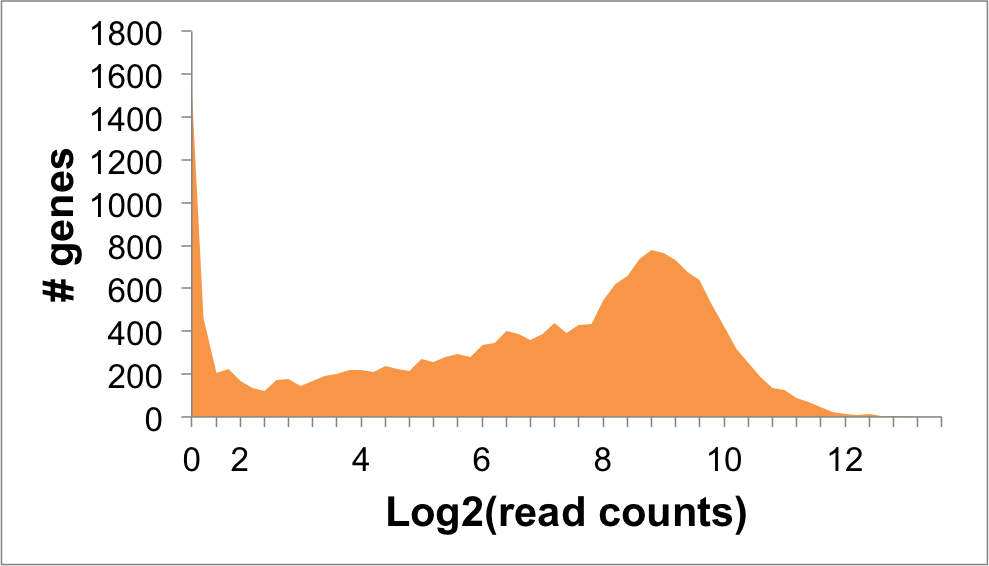
- Expression level (log2 read counts): 1.33
CLDN16 Expression in NALM6 Cells: 1.33