CLK2
Gene Information
- Official Symbol: CLK2
- Official Name: CDC like kinase 2
- Aliases and Previous Symbols: N/A
- Entrez ID: 1196
- UniProt: P49760
- Interactions: BioGRID
- PubMed articles: Open PubMed
- OMIM: Open OMIM
Function Summary
- Entrez Summary: N/A
- UniProt Summary: Dual specificity kinase acting on both serine/threonine and tyrosine-containing substrates. Phosphorylates serine- and arginine-rich (SR) proteins of the spliceosomal complex. May be a constituent of a network of regulatory mechanisms that enable SR proteins to control RNA splicing and can cause redistribution of SR proteins from speckles to a diffuse nucleoplasmic distribution. Acts as a suppressor of hepatic gluconeogenesis and glucose output by repressing PPARGC1A transcriptional activity on gluconeogenic genes via its phosphorylation. Phosphorylates PPP2R5B thereby stimulating the assembly of PP2A phosphatase with the PPP2R5B-AKT1 complex leading to dephosphorylation of AKT1. Phosphorylates: PTPN1, SRSF1 and SRSF3. Regulates the alternative splicing of tissue factor (F3) pre-mRNA in endothelial cells. {ECO:0000269|PubMed:10480872, ECO:0000269|PubMed:19168442, ECO:0000269|PubMed:8910305, ECO:0000269|PubMed:9637771}.
CRISPR Data
Essentiality in NALM6
- Essentiality Rank: 3425
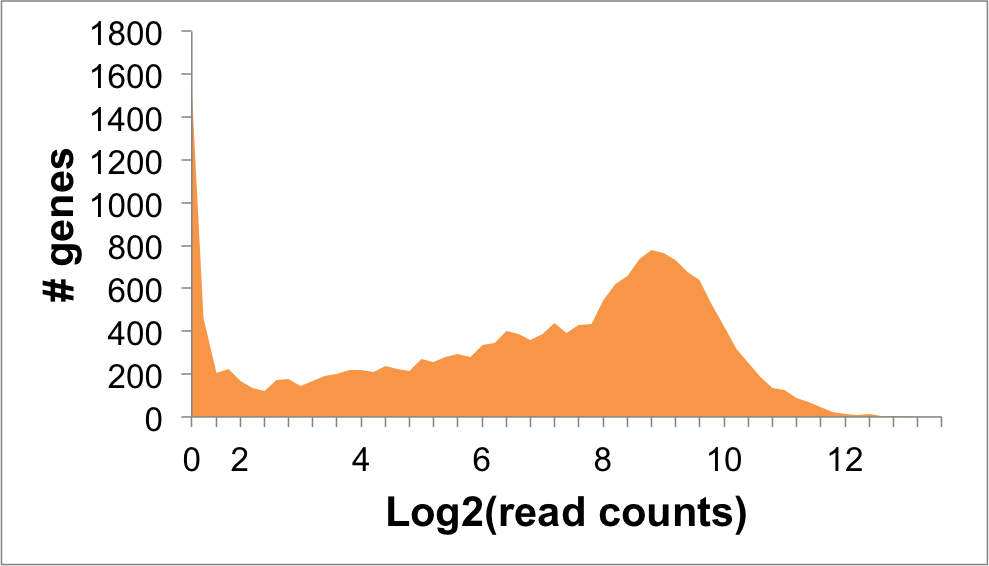
- Expression level (log2 read counts): 6.67
CLK2 Expression in NALM6 Cells: 6.67