FANCG
Gene Information
- Official Symbol: FANCG
- Official Name: FA complementation group G
- Aliases and Previous Symbols: N/A
- Entrez ID: 2189
- UniProt: O15287
- Interactions: BioGRID
- PubMed articles: Open PubMed
- OMIM: Open OMIM
Function Summary
- Entrez Summary: The Fanconi anemia complementation group (FANC) currently includes FANCA, FANCB, FANCC, FANCD1 (also called BRCA2), FANCD2, FANCE, FANCF, FANCG, FANCI, FANCJ (also called BRIP1), FANCL, FANCM and FANCN (also called PALB2). The previously defined group FANCH is the same as FANCA. Fanconi anemia is a genetically heterogeneous recessive disorder characterized by cytogenetic instability, hypersensitivity to DNA crosslinking agents, increased chromosomal breakage, and defective DNA repair. The members of the Fanconi anemia complementation group do not share sequence similarity; they are related by their assembly into a common nuclear protein complex. This gene encodes the protein for complementation group G. [provided by RefSeq, Jul 2008].
- UniProt Summary: DNA repair protein that may operate in a postreplication repair or a cell cycle checkpoint function. May be implicated in interstrand DNA cross-link repair and in the maintenance of normal chromosome stability. Candidate tumor suppressor gene.
CRISPR Data
Essentiality in NALM6
- Essentiality Rank: 482
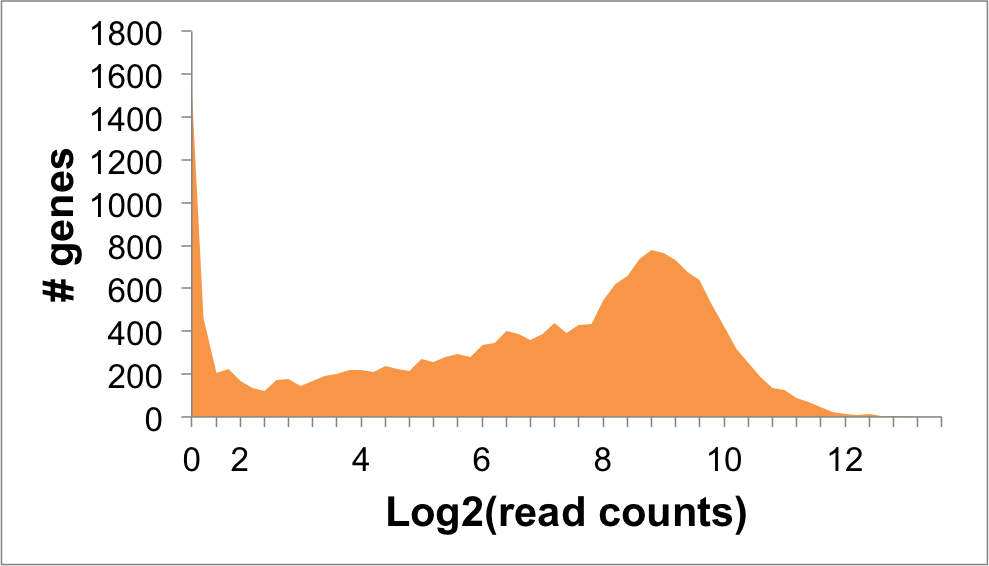
- Expression level (log2 read counts): 6.15
FANCG Expression in NALM6 Cells: 6.15