GSTA2
Gene Information
- Official Symbol: GSTA2
- Official Name: glutathione S-transferase alpha 2
- Aliases and Previous Symbols: N/A
- Entrez ID: 2939
- UniProt: P09210
- Interactions: BioGRID
- PubMed articles: Open PubMed
- OMIM: Open OMIM
Function Summary
- Entrez Summary: Cytosolic and membrane-bound forms of glutathione S-transferase are encoded by two distinct supergene families. These enzymes function in the detoxification of electrophilic compounds, including carcinogens, therapeutic drugs, environmental toxins and products of oxidative stress, by conjugation with glutathione. The genes encoding these enzymes are known to be highly polymorphic. These genetic variations can change an individual's susceptibility to carcinogens and toxins as well as affect the toxicity and efficacy of some drugs. At present, eight distinct classes of the soluble cytoplasmic mammalian glutathione S-transferases have been identified: alpha, kappa, mu, omega, pi, sigma, theta and zeta. This gene encodes a glutathione S-tranferase belonging to the alpha class. The alpha class genes, located in a cluster mapped to chromosome 6, are the most abundantly expressed glutathione S-transferases in liver. In addition to metabolizing bilirubin and certain anti-cancer drugs in the liver, the alpha class of these enzymes exhibit glutathione peroxidase activity thereby protecting the cells from reactive oxygen species and the products of peroxidation. [provided by RefSeq, Jul 2008].
- UniProt Summary: Conjugation of reduced glutathione to a wide number of exogenous and endogenous hydrophobic electrophiles.
CRISPR Data
Essentiality in NALM6
- Essentiality Rank: 3181
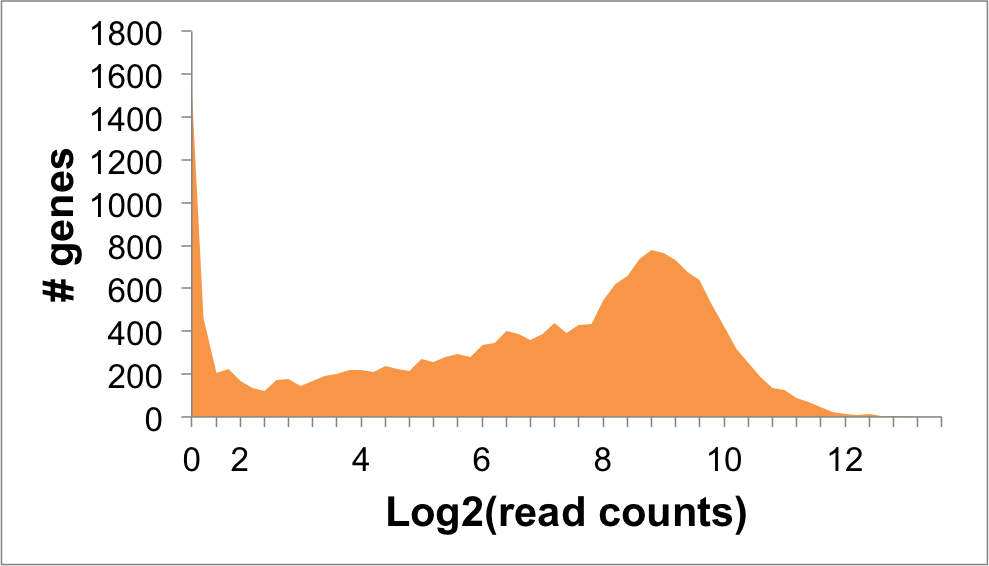
- Expression level (log2 read counts): -7.68
GSTA2 Expression in NALM6 Cells: -7.68