JUN
Gene Information
- Official Symbol: JUN
- Official Name: Jun proto-oncogene, AP-1 transcription factor subunit
- Aliases and Previous Symbols: N/A
- Entrez ID: 3725
- UniProt: P05412
- Interactions: BioGRID
- PubMed articles: Open PubMed
- OMIM: Open OMIM
Function Summary
- Entrez Summary: This gene is the putative transforming gene of avian sarcoma virus 17. It encodes a protein which is highly similar to the viral protein, and which interacts directly with specific target DNA sequences to regulate gene expression. This gene is intronless and is mapped to 1p32-p31, a chromosomal region involved in both translocations and deletions in human malignancies. [provided by RefSeq, Jul 2008].
- UniProt Summary: Transcription factor that recognizes and binds to the enhancer heptamer motif 5'-TGA[CG]TCA-3'. Promotes activity of NR5A1 when phosphorylated by HIPK3 leading to increased steroidogenic gene expression upon cAMP signaling pathway stimulation. Involved in activated KRAS-mediated transcriptional activation of USP28 in colorectal cancer (CRC) cells (PubMed:24623306). Binds to the USP28 promoter in colorectal cancer (CRC) cells (PubMed:24623306). {ECO:0000269|PubMed:10995748, ECO:0000269|PubMed:17210646, ECO:0000269|PubMed:24623306}.
Pfam Domains GO Terms
Pfam Domains
| Jun |
| bZIP 2 |
| bZIP 1 |
GO Terms
| leading edge cell differentiation |
| cellular response to potassium ion starvation |
| negative regulation of transcription from RNA polymerase II promoter in response to endoplasmic reticulum stress |
| transcription factor AP-1 complex |
| positive regulation of monocyte differentiation |
| negative regulation of transcription from RNA polymerase II promoter in response to stress |
| eyelid development in camera-type eye |
| negative regulation of protein autophosphorylation |
| cAMP response element binding |
| negative regulation by host of viral transcription |
| HMG box domain binding |
| mononuclear cell differentiation |
| monocyte differentiation |
| positive regulation by host of viral transcription |
| regulation of monocyte differentiation |
| response to muscle stretch |
| release of cytochrome c from mitochondria |
| ubiquitin-like protein ligase binding |
| R-SMAD binding |
| axon regeneration |
| negative regulation of viral transcription |
| positive regulation of DNA-templated transcription, initiation |
| nuclear chromosome |
| neuron projection regeneration |
| microglial cell activation |
| leukocyte activation involved in inflammatory response |
| nuclear euchromatin |
| positive regulation of pri-miRNA transcription by RNA polymerase II |
| positive regulation of vascular smooth muscle cell proliferation |
| positive regulation of DNA replication |
| regulation of DNA-templated transcription, initiation |
| glial cell activation |
| cellular response to cadmium ion |
| neuroinflammatory response |
| positive regulation of viral transcription |
| regulation of pri-miRNA transcription by RNA polymerase II |
| regulation of protein autophosphorylation |
| response to axon injury |
| regulation of vascular smooth muscle cell proliferation |
| positive regulation of fibroblast proliferation |
| macrophage activation |
| membrane depolarization |
| RNA polymerase II activating transcription factor binding |
| positive regulation of neuron apoptotic process |
| negative regulation of DNA binding |
| positive regulation of myeloid leukocyte differentiation |
| SMAD protein signal transduction |
| transcriptional repressor complex |
| apoptotic mitochondrial changes |
| regulation of viral transcription |
| response to cadmium ion |
| modification by host of symbiont morphology or physiology |
| outflow tract morphogenesis |
| transcription regulatory region sequence-specific DNA binding |
| interaction with symbiont |
| regulation of fibroblast proliferation |
| cellular response to calcium ion |
| positive regulation of smooth muscle cell proliferation |
| positive regulation of myeloid cell differentiation |
| positive regulation of neuron death |
| positive regulation of endothelial cell proliferation |
| negative regulation of viral process |
| response to cAMP |
| RNA polymerase II distal enhancer sequence-specific DNA binding |
| transforming growth factor beta receptor signaling pathway |
| positive regulation of viral process |
| regulation of DNA replication |
| modification of morphology or physiology of other organism involved in symbiotic interaction |
| myeloid leukocyte differentiation |
| regulation of myeloid leukocyte differentiation |
| response to hydrogen peroxide |
| regulation of transcription from RNA polymerase II promoter in response to stress |
| regulation of DNA binding |
| regulation of DNA-templated transcription in response to stress |
| liver development |
| hepaticobiliary system development |
| regulation of endothelial cell proliferation |
| cellular response to reactive oxygen species |
| regulation of smooth muscle cell proliferation |
| response to organophosphorus |
| positive regulation of epithelial cell migration |
| circadian rhythm |
| negative regulation of neuron apoptotic process |
| learning |
| positive regulation of leukocyte differentiation |
| response to calcium ion |
| cellular response to starvation |
| response to purine-containing compound |
| cellular response to transforming growth factor beta stimulus |
| modification of morphology or physiology of other organism |
| regeneration |
| response to transforming growth factor beta |
| negative regulation of binding |
| Fc-epsilon receptor signaling pathway |
| positive regulation of hemopoiesis |
| positive regulation of epithelial cell proliferation |
| cellular response to metal ion |
| response to starvation |
| response to reactive oxygen species |
| transmembrane receptor protein serine/threonine kinase signaling pathway |
| regulation of viral process |
| transcription factor complex |
| negative regulation of neuron death |
| regulation of neuron apoptotic process |
| positive regulation of ERK1 and ERK2 cascade |
| response to mechanical stimulus |
| negative regulation of multi-organism process |
| transcription regulatory region DNA binding |
| regulation of epithelial cell migration |
| cellular response to inorganic substance |
| myeloid cell differentiation |
| regulation of symbiosis, encompassing mutualism through parasitism |
| regulation of myeloid cell differentiation |
| cellular response to nutrient levels |
| nuclear chromatin |
| cellular response to oxidative stress |
| Fc receptor signaling pathway |
| Ras protein signal transduction |
| heart morphogenesis |
| response to endoplasmic reticulum stress |
| learning or memory |
| cellular response to extracellular stimulus |
| regulation of leukocyte differentiation |
| rhythmic process |
| aging |
| GTPase activator activity |
| transcription coactivator activity |
| apoptotic signaling pathway |
| regulation of ERK1 and ERK2 cascade |
| ubiquitin protein ligase binding |
| cognition |
| response to antibiotic |
| regulation of neuron death |
| camera-type eye development |
| response to lipopolysaccharide |
| angiogenesis |
| small GTPase mediated signal transduction |
| response to molecule of bacterial origin |
| leukocyte differentiation |
| transcription factor binding |
| regulation of epithelial cell proliferation |
| cellular response to external stimulus |
| enzyme binding |
| eye development |
| visual system development |
| sensory system development |
| response to metal ion |
| regulation of binding |
| response to oxidative stress |
| chromatin binding |
| negative regulation of protein phosphorylation |
| blood vessel morphogenesis |
| axon development |
| gland development |
| positive regulation of GTPase activity |
| regulation of DNA-binding transcription factor activity |
| regulation of membrane potential |
| response to radiation |
| mitochondrion organization |
| negative regulation of phosphorylation |
| DNA-binding transcription activator activity, RNA polymerase II-specific |
| regulation of hemopoiesis |
| immune response-regulating cell surface receptor signaling pathway |
| transcription by RNA polymerase II |
| regulation of GTPase activity |
| blood vessel development |
| protein heterodimerization activity |
| inflammatory response |
| response to nutrient levels |
| positive regulation of cell migration |
| cellular response to growth factor stimulus |
| RNA polymerase II proximal promoter sequence-specific DNA binding |
| response to toxic substance |
| positive regulation of multi-organism process |
| vasculature development |
| cardiovascular system development |
| positive regulation of cell motility |
| heart development |
| response to growth factor |
| response to extracellular stimulus |
| response to inorganic substance |
| positive regulation of cellular component movement |
| positive regulation of MAPK cascade |
| sensory organ development |
| positive regulation of locomotion |
| hemopoiesis |
| negative regulation of phosphate metabolic process |
| negative regulation of phosphorus metabolic process |
| behavior |
| response to wounding |
| myeloid leukocyte activation |
| negative regulation of protein modification process |
| immune response-regulating signaling pathway |
| cellular response to hormone stimulus |
| hematopoietic or lymphoid organ development |
| transcription, DNA-templated |
| nucleic acid-templated transcription |
| positive regulation of apoptotic process |
| positive regulation of programmed cell death |
| immune system development |
| RNA biosynthetic process |
| tube morphogenesis |
| neuron projection development |
| negative regulation of cell population proliferation |
| DNA-binding transcription factor activity |
| epithelial cell differentiation |
| response to bacterium |
| positive regulation of cell death |
| enzyme linked receptor protein signaling pathway |
| regulation of MAPK cascade |
| positive regulation of hydrolase activity |
| regulation of multi-organism process |
| symbiotic process |
| neuron development |
| interspecies interaction between organisms |
| tube development |
| regulation of cell migration |
| response to lipid |
| negative regulation of transcription by RNA polymerase II |
| circulatory system development |
| protein homodimerization activity |
| negative regulation of apoptotic process |
| anatomical structure formation involved in morphogenesis |
| negative regulation of programmed cell death |
| response to hormone |
| regulation of cell motility |
| positive regulation of cell population proliferation |
| response to organic cyclic compound |
| apoptotic process |
| leukocyte activation |
| animal organ morphogenesis |
| positive regulation of cell differentiation |
| regulation of locomotion |
| regulation of cellular component movement |
| negative regulation of cell death |
| response to organonitrogen compound |
| neuron differentiation |
| positive regulation of protein phosphorylation |
| response to drug |
| positive regulation of intracellular signal transduction |
| negative regulation of cellular protein metabolic process |
| programmed cell death |
| cellular response to oxygen-containing compound |
| positive regulation of phosphorylation |
| identical protein binding |
| cell activation |
| response to nitrogen compound |
| cell death |
| nucleobase-containing compound biosynthetic process |
| response to cytokine |
| negative regulation of protein metabolic process |
| epithelium development |
| plasma membrane bounded cell projection organization |
| positive regulation of phosphate metabolic process |
| positive regulation of phosphorus metabolic process |
| negative regulation of molecular function |
| regulation of immune response |
| positive regulation of immune system process |
| response to abiotic stimulus |
| cell projection organization |
| heterocycle biosynthetic process |
| aromatic compound biosynthetic process |
| regulation of cell cycle |
| negative regulation of transcription, DNA-templated |
| positive regulation of transcription by RNA polymerase II |
| cellular response to endogenous stimulus |
| positive regulation of protein modification process |
| negative regulation of nucleic acid-templated transcription |
| negative regulation of RNA biosynthetic process |
| regulation of hydrolase activity |
| response to other organism |
| organic cyclic compound biosynthetic process |
| response to external biotic stimulus |
| response to biotic stimulus |
| negative regulation of RNA metabolic process |
| defense response |
| positive regulation of developmental process |
| nervous system process |
| negative regulation of cellular macromolecule biosynthetic process |
| RNA binding |
| positive regulation of catalytic activity |
| negative regulation of nucleobase-containing compound metabolic process |
| regulation of protein phosphorylation |
| DNA binding |
| negative regulation of macromolecule biosynthetic process |
| response to endogenous stimulus |
| negative regulation of cellular biosynthetic process |
| generation of neurons |
| positive regulation of transcription, DNA-templated |
| regulation of apoptotic process |
| negative regulation of biosynthetic process |
| response to oxygen-containing compound |
| DNA-binding transcription factor activity, RNA polymerase II-specific |
| regulation of programmed cell death |
| regulation of phosphorylation |
| positive regulation of cellular protein metabolic process |
| regulation of cell population proliferation |
| neurogenesis |
| cellular nitrogen compound biosynthetic process |
| positive regulation of nucleic acid-templated transcription |
| positive regulation of RNA biosynthetic process |
| cell development |
| positive regulation of signal transduction |
| regulation of immune system process |
| RNA metabolic process |
| regulation of cell death |
| intracellular signal transduction |
| cellular response to stress |
| positive regulation of protein metabolic process |
| cellular macromolecule biosynthetic process |
| negative regulation of gene expression |
| positive regulation of RNA metabolic process |
| positive regulation of multicellular organismal process |
| tissue development |
| macromolecule biosynthetic process |
| positive regulation of molecular function |
| regulation of phosphate metabolic process |
| regulation of phosphorus metabolic process |
| regulation of cell differentiation |
| positive regulation of cell communication |
| positive regulation of signaling |
| regulation of intracellular signal transduction |
| regulation of protein modification process |
| positive regulation of nucleobase-containing compound metabolic process |
| positive regulation of macromolecule biosynthetic process |
| system process |
| positive regulation of cellular biosynthetic process |
| positive regulation of gene expression |
| gene expression |
| positive regulation of biosynthetic process |
CRISPR Data
Compound Hit Most Correlated Genes in Chemogenomics Tissues where Essential in the Avana Dataset (DepMap 20Q1)
Compound Hit
| Screen | Score |
|---|---|
| RK-33 8μM R08 exp518 | 2.41 |
Most Correlated Genes in Chemogenomics
No correlation found to any other genes in chemogenomics.
Tissues where Essential in the Avana Dataset (DepMap 20Q1)
Global Fraction of Cell Lines Where Essential: 20/739
| Tissue | Fraction Of Cell Lines Where Essential |
|---|---|
| 1290807.0 | 0/1 |
| 909776.0 | 0/1 |
| bile duct | 1/28 |
| blood | 0/28 |
| bone | 1/26 |
| breast | 0/33 |
| central nervous system | 7/56 |
| cervix | 0/4 |
| colorectal | 0/17 |
| esophagus | 0/13 |
| fibroblast | 0/1 |
| gastric | 0/16 |
| kidney | 0/21 |
| liver | 2/20 |
| lung | 0/75 |
| lymphocyte | 0/16 |
| ovary | 1/26 |
| pancreas | 0/24 |
| peripheral nervous system | 1/16 |
| plasma cell | 0/15 |
| prostate | 0/1 |
| skin | 0/24 |
| soft tissue | 1/9 |
| thyroid | 1/2 |
| upper aerodigestive | 0/22 |
| urinary tract | 1/29 |
| uterus | 0/5 |
Essentiality in NALM6
- Essentiality Rank: 11260
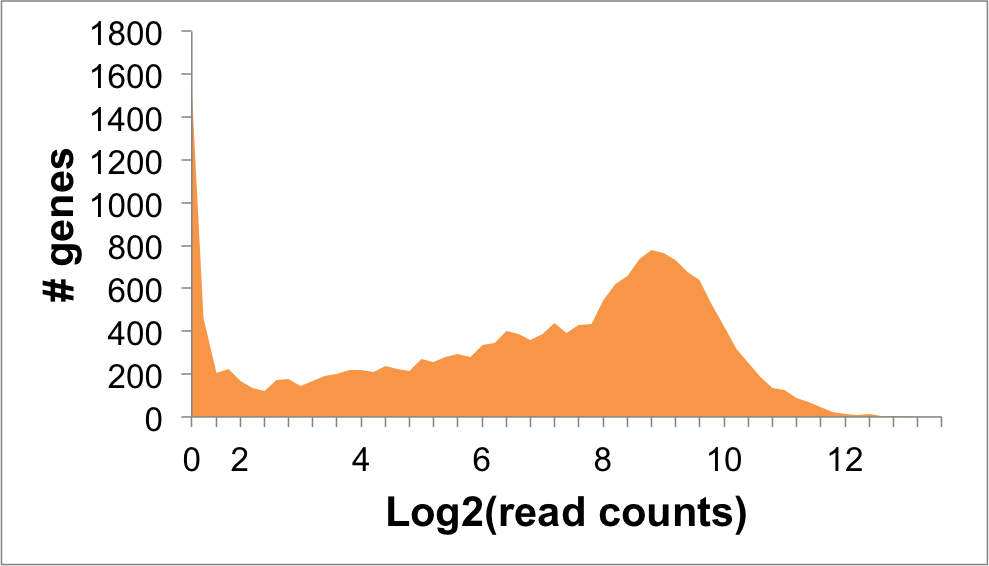
- Expression level (log2 read counts): 2.22
Expression Distribution
JUN Expression in NALM6 Cells: 2.22