MIP
Gene Information
- Official Symbol: MIP
- Official Name: major intrinsic protein of lens fiber
- Aliases and Previous Symbols: N/A
- Entrez ID: 4284
- UniProt: P30301
- Interactions: BioGRID
- PubMed articles: Open PubMed
- OMIM: Open OMIM
Function Summary
- Entrez Summary: Major intrinsic protein is a member of the water-transporting aquaporins as well as the original member of the MIP family of channel proteins. The function of the fiber cell membrane protein encoded by this gene is undetermined, yet this protein is speculated to play a role in intracellular communication. The MIP protein is expressed in the ocular lens and is required for correct lens function. This gene has been mapped among aquaporins AQP2, AQP5, and AQP6, in a potential gene cluster at 12q13. [provided by RefSeq, Jul 2008].
- UniProt Summary: Water channel (PubMed:24120416). Channel activity is down-regulated by CALM when cytoplasmic Ca(2+) levels are increased. May be responsible for regulating the osmolarity of the lens. Interactions between homotetramers from adjoining membranes may stabilize cell junctions in the eye lens core (By similarity). Plays a role in cell-to-cell adhesion and facilitates gap junction coupling (PubMed:24120416). {ECO:0000250|UniProtKB:Q6J8I9, ECO:0000269|PubMed:24120416}.
CRISPR Data
Essentiality in NALM6
- Essentiality Rank: 8247
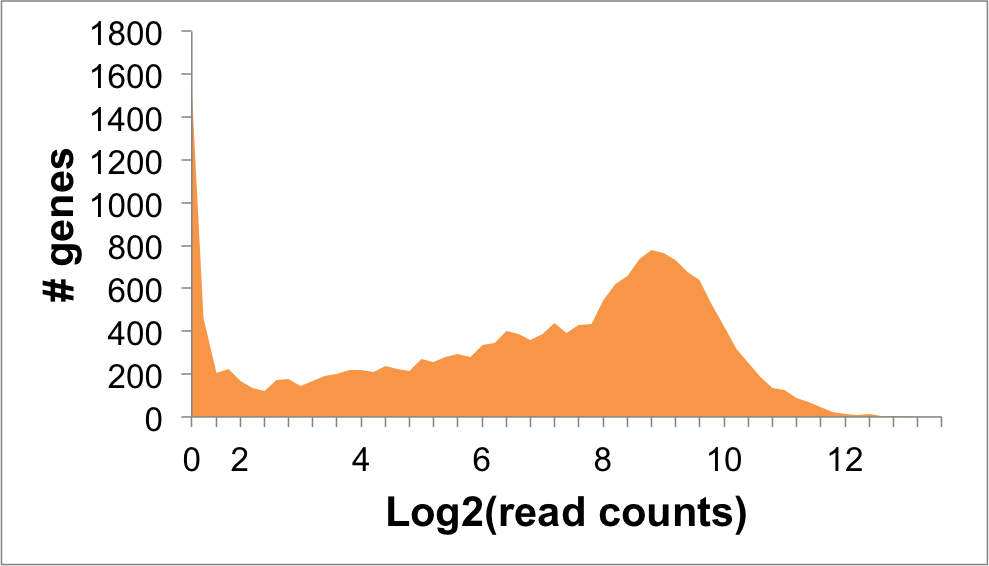
- Expression level (log2 read counts): -0.61
MIP Expression in NALM6 Cells: -0.61