TRIM63
Gene Information
- Official Symbol: TRIM63
- Official Name: tripartite motif containing 63
- Aliases and Previous Symbols: N/A
- Entrez ID: 84676
- UniProt: Q969Q1
- Interactions: BioGRID
- PubMed articles: Open PubMed
- OMIM: Open OMIM
Function Summary
- Entrez Summary: This gene encodes a member of the RING zinc finger protein family found in striated muscle and iris. The product of this gene is an E3 ubiquitin ligase that localizes to the Z-line and M-line lattices of myofibrils. This protein plays an important role in the atrophy of skeletal and cardiac muscle and is required for the degradation of myosin heavy chain proteins, myosin light chain, myosin binding protein, and for muscle-type creatine kinase. [provided by RefSeq, Feb 2012].
- UniProt Summary: E3 ubiquitin ligase. Mediates the ubiquitination and subsequent proteasomal degradation of CKM, GMEB1 and HIBADH. Regulates the proteasomal degradation of muscle proteins under amino acid starvation, where muscle protein is catabolized to provide other organs with amino acids. Inhibits de novo skeletal muscle protein synthesis under amino acid starvation. Regulates proteasomal degradation of cardiac troponin I/TNNI3 and probably of other sarcomeric-associated proteins. May play a role in striated muscle atrophy and hypertrophy by regulating an anti- hypertrophic PKC-mediated signaling pathway. May regulate the organization of myofibrils through TTN in muscle cells. {ECO:0000269|PubMed:11927605, ECO:0000269|PubMed:18222470}.
CRISPR Data
Essentiality in NALM6
- Essentiality Rank: 12843
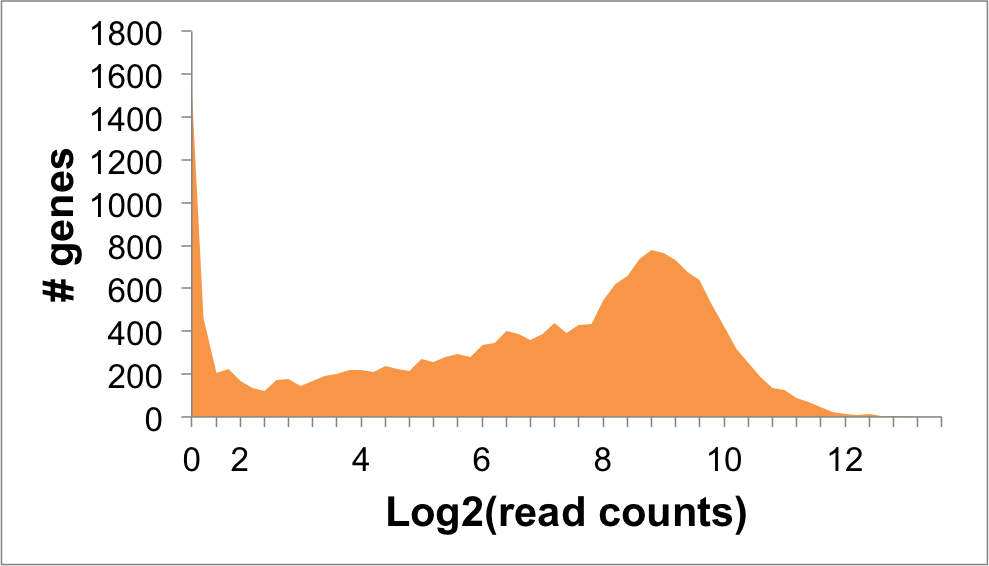
- Expression level (log2 read counts): -6.6
TRIM63 Expression in NALM6 Cells: -6.6