UBR3
Gene Information
- Official Symbol: UBR3
- Official Name: ubiquitin protein ligase E3 component n-recognin 3
- Aliases and Previous Symbols: N/A
- Entrez ID: 130507
- UniProt: Q6ZT12
- Interactions: BioGRID
- PubMed articles: Open PubMed
- OMIM: Open OMIM
Function Summary
- Entrez Summary: N/A
- UniProt Summary: E3 ubiquitin-protein ligase which is a component of the N-end rule pathway (By similarity). Does not bind to proteins bearing specific N-terminal residues that are destabilizing according to the N-end rule, leading to their ubiquitination and subsequent degradation (By similarity). May play a role in Shh signaling by mediating the ubiquitination of Kif7 (By similarity). May be important for MYH9 function in certain tissues, possibly by regulating the ubiquitination of MYH9 and consequently affecting its interaction with MYO7A (PubMed:27331610). {ECO:0000250|UniProtKB:Q5U430, ECO:0000269|PubMed:27331610}.
CRISPR Data
Essentiality in NALM6
- Essentiality Rank: 7092
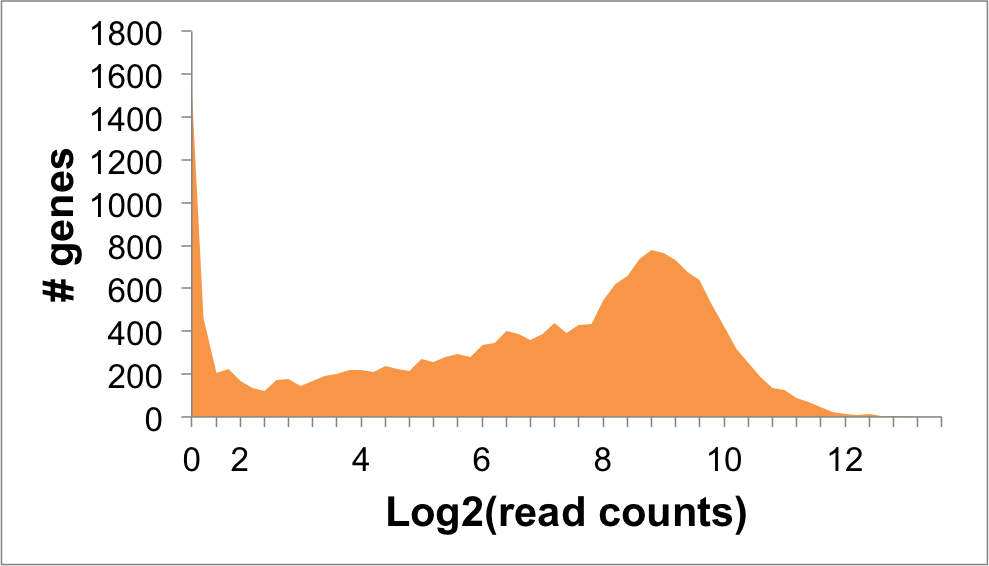
- Expression level (log2 read counts): 6.11
UBR3 Expression in NALM6 Cells: 6.11