IRS2
Gene Information
- Official Symbol: IRS2
- Official Name: insulin receptor substrate 2
- Aliases and Previous Symbols: N/A
- Entrez ID: 8660
- UniProt: Q9Y4H2
- Interactions: BioGRID
- PubMed articles: Open PubMed
- OMIM: Open OMIM
Function Summary
- Entrez Summary: This gene encodes the insulin receptor substrate 2, a cytoplasmic signaling molecule that mediates effects of insulin, insulin-like growth factor 1, and other cytokines by acting as a molecular adaptor between diverse receptor tyrosine kinases and downstream effectors. The product of this gene is phosphorylated by the insulin receptor tyrosine kinase upon receptor stimulation, as well as by an interleukin 4 receptor-associated kinase in response to IL4 treatment. [provided by RefSeq, Jul 2008].
- UniProt Summary: May mediate the control of various cellular processes by insulin.
Pfam Domains GO Terms
Pfam Domains
| PH |
| IRS |
GO Terms
| regulation of long-chain fatty acid import across plasma membrane |
| negative regulation of long-chain fatty acid import across plasma membrane |
| negative regulation of long-chain fatty acid import into cell |
| regulation of long-chain fatty acid import into cell |
| negative regulation of fatty acid transport |
| positive regulation of fatty acid beta-oxidation |
| negative regulation of B cell apoptotic process |
| negative regulation of anion transmembrane transport |
| positive regulation of fatty acid oxidation |
| regulation of B cell apoptotic process |
| positive regulation of glycogen biosynthetic process |
| positive regulation of glycogen metabolic process |
| regulation of fatty acid beta-oxidation |
| interleukin-7-mediated signaling pathway |
| negative regulation of organic acid transport |
| phosphatidylinositol 3-kinase binding |
| insulin receptor binding |
| positive regulation of lipid catabolic process |
| positive regulation of mesenchymal cell proliferation |
| negative regulation of lipid transport |
| regulation of anion transmembrane transport |
| regulation of fatty acid transport |
| negative regulation of lymphocyte apoptotic process |
| negative regulation of anion transport |
| cellular response to interleukin-7 |
| regulation of glycogen biosynthetic process |
| response to interleukin-7 |
| regulation of glucan biosynthetic process |
| 14-3-3 protein binding |
| regulation of fatty acid oxidation |
| regulation of mesenchymal cell proliferation |
| positive regulation of fatty acid metabolic process |
| regulation of glycogen metabolic process |
| regulation of polysaccharide biosynthetic process |
| positive regulation of glucose import |
| positive regulation of glucose metabolic process |
| positive regulation of B cell proliferation |
| negative regulation of lipid localization |
| positive regulation of glucose transmembrane transport |
| regulation of polysaccharide metabolic process |
| negative regulation of leukocyte apoptotic process |
| regulation of lymphocyte apoptotic process |
| regulation of lipid catabolic process |
| regulation of glucose import |
| positive regulation of cellular carbohydrate metabolic process |
| regulation of organic acid transport |
| regulation of B cell proliferation |
| positive regulation of Ras protein signal transduction |
| cellular response to glucose stimulus |
| cellular response to hexose stimulus |
| phosphatidylinositol-mediated signaling |
| positive regulation of small GTPase mediated signal transduction |
| cellular response to monosaccharide stimulus |
| positive regulation of insulin secretion |
| regulation of glucose transmembrane transport |
| inositol lipid-mediated signaling |
| positive regulation of carbohydrate metabolic process |
| cellular response to carbohydrate stimulus |
| regulation of leukocyte apoptotic process |
| positive regulation of phosphatidylinositol 3-kinase signaling |
| protein phosphatase binding |
| regulation of fatty acid metabolic process |
| insulin receptor signaling pathway |
| cellular glucose homeostasis |
| regulation of carbohydrate biosynthetic process |
| negative regulation of ion transmembrane transport |
| regulation of anion transport |
| positive regulation of peptide hormone secretion |
| regulation of lipid transport |
| glucose metabolic process |
| regulation of glucose metabolic process |
| negative regulation of transmembrane transport |
| regulation of phosphatidylinositol 3-kinase signaling |
| mammary gland development |
| positive regulation of hormone secretion |
| positive regulation of lymphocyte proliferation |
| positive regulation of mononuclear cell proliferation |
| lipid homeostasis |
| positive regulation of leukocyte proliferation |
| regulation of lipid localization |
| positive regulation of small molecule metabolic process |
| response to glucose |
| regulation of cellular carbohydrate metabolic process |
| positive regulation of lipid metabolic process |
| response to hexose |
| negative regulation of ion transport |
| response to monosaccharide |
| hexose metabolic process |
| regulation of generation of precursor metabolites and energy |
| cellular response to insulin stimulus |
| positive regulation of protein kinase B signaling |
| positive regulation of B cell activation |
| regulation of cellular ketone metabolic process |
| response to carbohydrate |
| regulation of insulin secretion |
| glucose homeostasis |
| carbohydrate homeostasis |
| monosaccharide metabolic process |
| positive regulation of transmembrane transport |
| regulation of carbohydrate metabolic process |
| regulation of B cell activation |
| regulation of lymphocyte proliferation |
| regulation of peptide hormone secretion |
| regulation of mononuclear cell proliferation |
| regulation of protein kinase B signaling |
| regulation of leukocyte proliferation |
| response to insulin |
| regulation of Ras protein signal transduction |
| protein domain specific binding |
| negative regulation of kinase activity |
| axon guidance |
| neuron projection guidance |
| cellular response to peptide hormone stimulus |
| regulation of hormone secretion |
| positive regulation of protein secretion |
| negative regulation of transferase activity |
| positive regulation of peptide secretion |
| cellular response to peptide |
| regulation of small GTPase mediated signal transduction |
| positive regulation of lymphocyte activation |
| positive regulation of cellular catabolic process |
| axonogenesis |
| MAPK cascade |
| response to peptide hormone |
| signal transduction by protein phosphorylation |
| regulation of lipid metabolic process |
| positive regulation of leukocyte activation |
| positive regulation of secretion by cell |
| axon development |
| gland development |
| positive regulation of cell activation |
| positive regulation of protein transport |
| regulation of small molecule metabolic process |
| cell morphogenesis involved in neuron differentiation |
| positive regulation of catabolic process |
| positive regulation of secretion |
| negative regulation of phosphorylation |
| positive regulation of establishment of protein localization |
| protein kinase binding |
| regulation of protein secretion |
| response to peptide |
| carbohydrate metabolic process |
| regulation of ion transmembrane transport |
| neuron projection morphogenesis |
| plasma membrane bounded cell projection morphogenesis |
| negative regulation of transport |
| cell projection morphogenesis |
| regulation of peptide secretion |
| positive regulation of cell migration |
| transmembrane receptor protein tyrosine kinase signaling pathway |
| regulation of lymphocyte activation |
| cell part morphogenesis |
| positive regulation of cell motility |
| regulation of hormone levels |
| positive regulation of cellular component movement |
| chemotaxis |
| positive regulation of locomotion |
| taxis |
| cell morphogenesis involved in differentiation |
| negative regulation of phosphate metabolic process |
| negative regulation of phosphorus metabolic process |
| regulation of transmembrane transport |
| protein-containing complex |
| cellular response to organonitrogen compound |
| regulation of leukocyte activation |
| cellular response to hormone stimulus |
| regulation of cell activation |
| cellular response to nitrogen compound |
| neuron projection development |
| cytokine-mediated signaling pathway |
| regulation of ion transport |
| regulation of protein transport |
| enzyme linked receptor protein signaling pathway |
| cell morphogenesis |
| regulation of peptide transport |
| brain development |
| cellular chemical homeostasis |
| regulation of establishment of protein localization |
| regulation of secretion by cell |
| head development |
| negative regulation of catalytic activity |
| regulation of secretion |
| neuron development |
| cellular component morphogenesis |
| regulation of cellular catabolic process |
| regulation of cell migration |
| regulation of kinase activity |
| negative regulation of apoptotic process |
| cellular homeostasis |
| negative regulation of programmed cell death |
| response to hormone |
| regulation of cell motility |
| positive regulation of cell population proliferation |
| protein phosphorylation |
| regulation of transferase activity |
| central nervous system development |
| regulation of locomotion |
| positive regulation of transport |
| negative regulation of cell death |
| regulation of catabolic process |
| regulation of cellular component movement |
| response to organonitrogen compound |
| cellular response to cytokine stimulus |
| neuron differentiation |
| positive regulation of intracellular signal transduction |
| regulation of protein localization |
| cellular response to oxygen-containing compound |
| response to nitrogen compound |
| response to cytokine |
| chemical homeostasis |
| plasma membrane bounded cell projection organization |
| negative regulation of molecular function |
| positive regulation of immune system process |
| cell projection organization |
| cellular response to endogenous stimulus |
| phosphorylation |
| locomotion |
| response to endogenous stimulus |
| generation of neurons |
| regulation of apoptotic process |
| movement of cell or subcellular component |
| response to oxygen-containing compound |
| regulation of programmed cell death |
| regulation of phosphorylation |
| regulation of cell population proliferation |
| neurogenesis |
| homeostatic process |
| cell development |
| positive regulation of signal transduction |
| regulation of immune system process |
| regulation of cell death |
| intracellular signal transduction |
| small molecule metabolic process |
| regulation of phosphate metabolic process |
| regulation of phosphorus metabolic process |
| positive regulation of cell communication |
| positive regulation of signaling |
| regulation of intracellular signal transduction |
| regulation of transport |
| positive regulation of macromolecule biosynthetic process |
| positive regulation of cellular biosynthetic process |
| positive regulation of biosynthetic process |
CRISPR Data
Compound Hit Most Correlated Genes in Chemogenomics Tissues where Essential in the Avana Dataset (DepMap 20Q1)
Compound Hit
| Screen | Score |
|---|---|
| INK128 0.2μM R02 exp70 | -1.75 |
Most Correlated Genes in Chemogenomics
No correlation found to any other genes in chemogenomics.
Tissues where Essential in the Avana Dataset (DepMap 20Q1)
Global Fraction of Cell Lines Where Essential: 52/739
| Tissue | Fraction Of Cell Lines Where Essential |
|---|---|
| 1290807.0 | 0/1 |
| 909776.0 | 0/1 |
| bile duct | 2/28 |
| blood | 2/28 |
| bone | 9/26 |
| breast | 0/33 |
| central nervous system | 1/56 |
| cervix | 0/4 |
| colorectal | 3/17 |
| esophagus | 0/13 |
| fibroblast | 0/1 |
| gastric | 2/16 |
| kidney | 0/21 |
| liver | 1/20 |
| lung | 8/75 |
| lymphocyte | 0/16 |
| ovary | 0/26 |
| pancreas | 0/24 |
| peripheral nervous system | 7/16 |
| plasma cell | 2/15 |
| prostate | 1/1 |
| skin | 0/24 |
| soft tissue | 0/9 |
| thyroid | 0/2 |
| upper aerodigestive | 0/22 |
| urinary tract | 2/29 |
| uterus | 0/5 |
Essentiality in NALM6
- Essentiality Rank: 5941
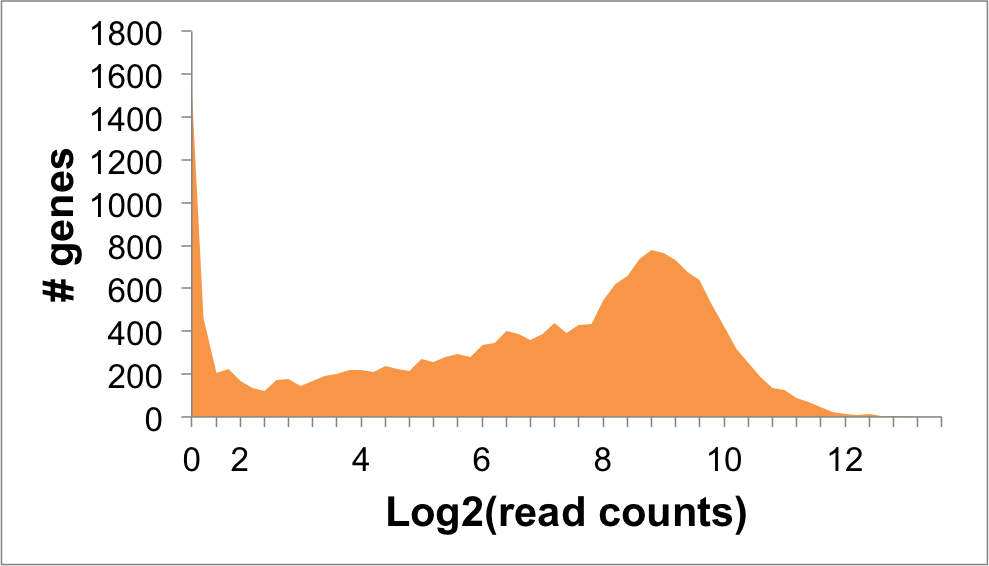
- Expression level (log2 read counts): 5.03
Expression Distribution
IRS2 Expression in NALM6 Cells: 5.03