IDH3B
Gene Information
- Official Symbol: IDH3B
- Official Name: isocitrate dehydrogenase (NAD(+)) 3 non-catalytic subunit beta
- Aliases and Previous Symbols: N/A
- Entrez ID: 3420
- UniProt: O43837
- Interactions: BioGRID
- PubMed articles: Open PubMed
- OMIM: Open OMIM
Function Summary
- Entrez Summary: Isocitrate dehydrogenases catalyze the oxidative decarboxylation of isocitrate to 2-oxoglutarate. These enzymes belong to two distinct subclasses, one of which utilizes NAD(+) as the electron acceptor and the other NADP(+). Five isocitrate dehydrogenases have been reported: three NAD(+)-dependent isocitrate dehydrogenases, which localize to the mitochondrial matrix, and two NADP(+)-dependent isocitrate dehydrogenases, one of which is mitochondrial and the other predominantly cytosolic. NAD(+)-dependent isocitrate dehydrogenases catalyze the allosterically regulated rate-limiting step of the tricarboxylic acid cycle. Each isozyme is a heterotetramer that is composed of two alpha subunits, one beta subunit, and one gamma subunit. The protein encoded by this gene is the beta subunit of one isozyme of NAD(+)-dependent isocitrate dehydrogenase. Multiple alternatively spliced transcript variants encoding different isoforms have been described for this gene. [provided by RefSeq, Sep 2016].
- UniProt Summary: N/A
CRISPR Data
Essentiality in NALM6
- Essentiality Rank: 15212
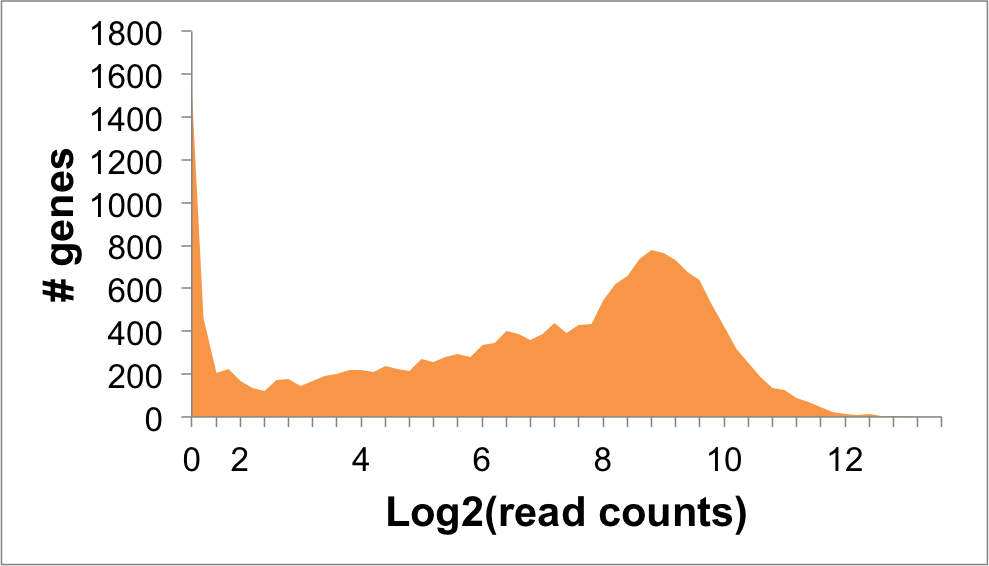
- Expression level (log2 read counts): 6.15
IDH3B Expression in NALM6 Cells: 6.15