TP53I3
Gene Information
- Official Symbol: TP53I3
- Official Name: tumor protein p53 inducible protein 3
- Aliases and Previous Symbols: N/A
- Entrez ID: 9540
- UniProt: Q53FA7
- Interactions: BioGRID
- PubMed articles: Open PubMed
- OMIM: Open OMIM
Function Summary
- Entrez Summary: The protein encoded by this gene is similar to oxidoreductases, which are enzymes involved in cellular responses to oxidative stresses and irradiation. This gene is induced by the tumor suppressor p53 and is thought to be involved in p53-mediated cell death. It contains a p53 consensus binding site in its promoter region and a downstream pentanucleotide microsatellite sequence. P53 has been shown to transcriptionally activate this gene by interacting with the downstream pentanucleotide microsatellite sequence. The microsatellite is polymorphic, with a varying number of pentanucleotide repeats directly correlated with the extent of transcriptional activation by p53. It has been suggested that the microsatellite polymorphism may be associated with differential susceptibility to cancer. Alternatively spliced transcript variants encoding different isoforms have been found for this gene. [provided by RefSeq, May 2011].
- UniProt Summary: May be involved in the generation of reactive oxygen species (ROS). Has low NADPH-dependent beta-naphthoquinone reductase activity, with a preference for 1,2-beta-naphthoquinone over 1,4-beta-naphthoquinone. Has low NADPH-dependent diamine reductase activity (in vitro). {ECO:0000269|PubMed:19349281}.
CRISPR Data
Essentiality in NALM6
- Essentiality Rank: 13485
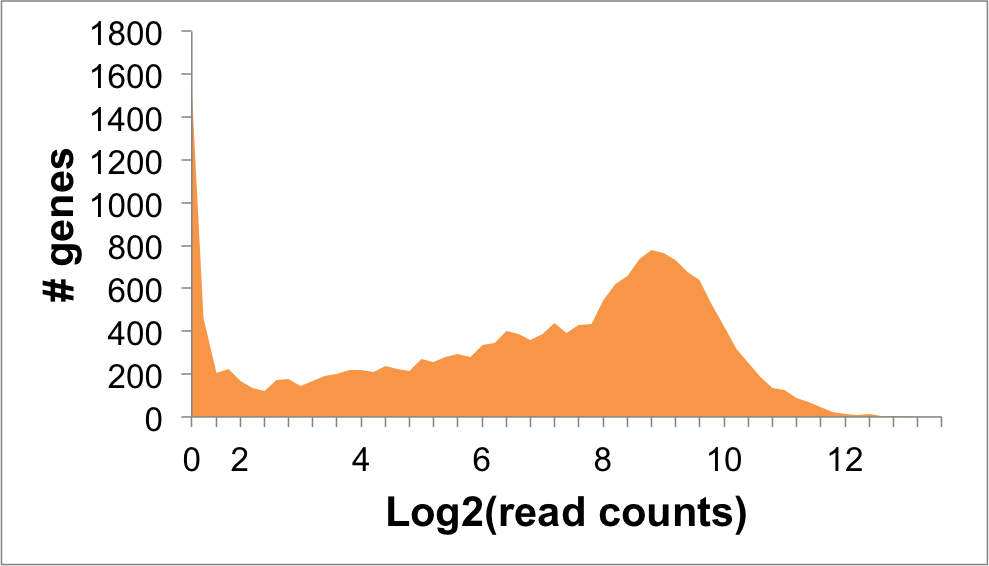
- Expression level (log2 read counts): 2.15
TP53I3 Expression in NALM6 Cells: 2.15