GPER1
Gene Information
- Official Symbol: GPER1
- Official Name: G protein-coupled estrogen receptor 1
- Aliases and Previous Symbols: N/A
- Entrez ID: 2852
- UniProt: Q99527
- Interactions: BioGRID
- PubMed articles: Open PubMed
- OMIM: Open OMIM
Function Summary
- Entrez Summary: N/A
- UniProt Summary: N/A
Pfam Domains GO Terms
Pfam Domains
| 7tm 1 |
GO Terms
| nuclear fragmentation involved in apoptotic nuclear change |
| positive regulation of cardiac vascular smooth muscle cell differentiation |
| regulation of cardiac vascular smooth muscle cell differentiation |
| apoptotic chromosome condensation |
| estrogen receptor activity |
| positive regulation of inositol trisphosphate biosynthetic process |
| steroid hormone binding |
| cellular response to mineralocorticoid stimulus |
| positive regulation of vascular smooth muscle cell differentiation |
| nuclear membrane organization |
| regulation of inositol trisphosphate biosynthetic process |
| positive regulation of uterine smooth muscle contraction |
| dendritic spine head |
| regulation of uterine smooth muscle contraction |
| positive regulation of smooth muscle cell differentiation |
| dendritic spine membrane |
| positive regulation of inositol phosphate biosynthetic process |
| regulation of vascular smooth muscle cell differentiation |
| regulation of inositol phosphate biosynthetic process |
| negative regulation of vascular smooth muscle cell proliferation |
| positive regulation of endothelial cell apoptotic process |
| positive regulation of neurotransmitter secretion |
| negative regulation of cell cycle arrest |
| apoptotic nuclear changes |
| positive regulation of alcohol biosynthetic process |
| cellular component disassembly involved in execution phase of apoptosis |
| positive regulation of G protein-coupled receptor signaling pathway |
| positive regulation of cardiocyte differentiation |
| steroid binding |
| neuronal action potential |
| positive regulation of release of cytochrome c from mitochondria |
| positive regulation of smooth muscle contraction |
| positive regulation of epidermal growth factor receptor signaling pathway |
| regulation of smooth muscle cell differentiation |
| positive regulation of epithelial cell apoptotic process |
| response to mineralocorticoid |
| positive regulation of ERBB signaling pathway |
| hippocampal mossy fiber to CA3 synapse |
| presynaptic active zone |
| dendritic shaft |
| cellular response to estradiol stimulus |
| positive regulation of neurotransmitter transport |
| positive regulation of release of sequestered calcium ion into cytosol |
| chromosome condensation |
| negative regulation of smooth muscle cell proliferation |
| positive regulation of muscle contraction |
| negative regulation of protein kinase B signaling |
| negative regulation of fat cell differentiation |
| regulation of release of cytochrome c from mitochondria |
| positive regulation of extrinsic apoptotic signaling pathway |
| negative regulation of lipid biosynthetic process |
| regulation of endothelial cell apoptotic process |
| regulation of cardiocyte differentiation |
| regulation of vascular smooth muscle cell proliferation |
| steroid hormone receptor activity |
| axon terminus |
| nuclear envelope organization |
| execution phase of apoptosis |
| positive regulation of calcium ion transport into cytosol |
| positive regulation of protein localization to plasma membrane |
| transmission of nerve impulse |
| positive regulation of blood vessel diameter |
| positive regulation of cellular carbohydrate metabolic process |
| cellular response to corticosteroid stimulus |
| regulation of smooth muscle contraction |
| positive regulation of protein localization to cell periphery |
| negative regulation of ERK1 and ERK2 cascade |
| intracellular steroid hormone receptor signaling pathway |
| cellular response to glucose stimulus |
| positive regulation of calcium ion transmembrane transport |
| cellular response to hexose stimulus |
| positive regulation of insulin secretion |
| cellular response to monosaccharide stimulus |
| presynaptic membrane |
| regulation of alcohol biosynthetic process |
| regulation of release of sequestered calcium ion into cytosol |
| regulation of epithelial cell apoptotic process |
| positive regulation of carbohydrate metabolic process |
| cellular response to carbohydrate stimulus |
| negative regulation of lipid metabolic process |
| regulation of epidermal growth factor receptor signaling pathway |
| positive regulation of phosphatidylinositol 3-kinase signaling |
| positive regulation of muscle cell differentiation |
| cellular glucose homeostasis |
| regulation of ERBB signaling pathway |
| action potential |
| regulation of protein localization to plasma membrane |
| regulation of carbohydrate biosynthetic process |
| positive regulation of peptide hormone secretion |
| keratin filament |
| regulation of calcium ion transport into cytosol |
| mitochondrial membrane |
| regulation of neurotransmitter secretion |
| regulation of cell cycle arrest |
| regulation of protein localization to cell periphery |
| positive regulation of mitochondrion organization |
| recycling endosome |
| regulation of phosphatidylinositol 3-kinase signaling |
| steroid hormone mediated signaling pathway |
| negative regulation of DNA metabolic process |
| positive regulation of calcium ion transport |
| positive regulation of protein localization to membrane |
| regulation of fat cell differentiation |
| regulation of sequestering of calcium ion |
| positive regulation of hormone secretion |
| adenylate cyclase-activating G protein-coupled receptor signaling pathway |
| positive regulation of cysteine-type endopeptidase activity involved in apoptotic process |
| nucleus organization |
| regulation of smooth muscle cell proliferation |
| multicellular organismal signaling |
| response to estradiol |
| negative regulation of inflammatory response |
| positive regulation of small molecule metabolic process |
| response to glucose |
| regulation of blood vessel diameter |
| regulation of cellular carbohydrate metabolic process |
| regulation of tube diameter |
| regulation of tube size |
| positive regulation of cation transmembrane transport |
| response to hexose |
| regulation of neurotransmitter transport |
| cytoplasmic vesicle membrane |
| regulation of G protein-coupled receptor signaling pathway |
| cAMP-mediated signaling |
| regulation of calcium ion transmembrane transport |
| response to monosaccharide |
| positive regulation of cysteine-type endopeptidase activity |
| positive regulation of synaptic transmission |
| regulation of muscle cell differentiation |
| regulation of extrinsic apoptotic signaling pathway |
| positive regulation of ion transmembrane transport |
| regulation of muscle contraction |
| response to corticosteroid |
| intracellular receptor signaling pathway |
| negative regulation of MAPK cascade |
| vascular process in circulatory system |
| trans-Golgi network |
| hormone-mediated signaling pathway |
| cyclic-nucleotide-mediated signaling |
| response to carbohydrate |
| positive regulation of endopeptidase activity |
| positive regulation of apoptotic signaling pathway |
| negative regulation of leukocyte activation |
| DNA packaging |
| regulation of insulin secretion |
| nuclear envelope |
| regulation of mitochondrion organization |
| positive regulation of vasculature development |
| glucose homeostasis |
| carbohydrate homeostasis |
| regulation of lipid biosynthetic process |
| cellular response to steroid hormone stimulus |
| regulation of protein localization to membrane |
| positive regulation of peptidase activity |
| negative regulation of cell activation |
| positive regulation of transmembrane transport |
| regulation of carbohydrate metabolic process |
| negative regulation of defense response |
| adenylate cyclase-modulating G protein-coupled receptor signaling pathway |
| regulation of peptide hormone secretion |
| positive regulation of ERK1 and ERK2 cascade |
| regulation of cysteine-type endopeptidase activity involved in apoptotic process |
| regulation of protein kinase B signaling |
| regulation of muscle system process |
| cellular response to tumor necrosis factor |
| regulation of cysteine-type endopeptidase activity |
| G protein-coupled receptor signaling pathway, coupled to cyclic nucleotide second messenger |
| regulation of calcium ion transport |
| postsynaptic density |
| early endosome |
| response to tumor necrosis factor |
| cellular response to peptide hormone stimulus |
| regulation of hormone secretion |
| positive regulation of protein secretion |
| positive regulation of ion transport |
| positive regulation of cytosolic calcium ion concentration |
| positive regulation of peptide secretion |
| regulation of ERK1 and ERK2 cascade |
| axon |
| DNA conformation change |
| regulation of vasculature development |
| positive regulation of cellular protein localization |
| negative regulation of cell cycle process |
| cellular response to peptide |
| response to steroid hormone |
| regulation of cytosolic calcium ion concentration |
| regulation of cation transmembrane transport |
| regulation of inflammatory response |
| second-messenger-mediated signaling |
| regulation of neurotransmitter levels |
| regulation of DNA metabolic process |
| positive regulation of proteolysis |
| negative regulation of response to external stimulus |
| positive regulation of cell cycle |
| regulation of metal ion transport |
| blood circulation |
| response to peptide hormone |
| chromatin binding |
| circulatory system process |
| regulation of lipid metabolic process |
| regulation of apoptotic signaling pathway |
| cellular component disassembly |
| positive regulation of secretion by cell |
| negative regulation of protein phosphorylation |
| regulation of endopeptidase activity |
| endomembrane system organization |
| dendrite |
| positive regulation of protein transport |
| regulation of small molecule metabolic process |
| regulation of membrane potential |
| positive regulation of secretion |
| cellular calcium ion homeostasis |
| negative regulation of immune system process |
| modulation of chemical synaptic transmission |
| regulation of trans-synaptic signaling |
| negative regulation of phosphorylation |
| regulation of peptidase activity |
| calcium ion homeostasis |
| positive regulation of establishment of protein localization |
| regulation of protein secretion |
| cellular divalent inorganic cation homeostasis |
| positive regulation of neurogenesis |
| response to peptide |
| regulation of ion transmembrane transport |
| divalent inorganic cation homeostasis |
| regulation of peptide secretion |
| inflammatory response |
| positive regulation of cell migration |
| negative regulation of intracellular signal transduction |
| regulation of anatomical structure size |
| cellular response to lipid |
| positive regulation of cell motility |
| regulation of hormone levels |
| positive regulation of nervous system development |
| positive regulation of cellular component movement |
| regulation of cellular protein localization |
| cellular response to organic cyclic compound |
| positive regulation of cell development |
| positive regulation of MAPK cascade |
| cell junction |
| positive regulation of locomotion |
| cellular metal ion homeostasis |
| negative regulation of phosphate metabolic process |
| negative regulation of phosphorus metabolic process |
| regulation of transmembrane transport |
| negative regulation of cell cycle |
| regulation of system process |
| negative regulation of protein modification process |
| cellular response to organonitrogen compound |
| regulation of leukocyte activation |
| cellular response to hormone stimulus |
| Golgi membrane |
| positive regulation of organelle organization |
| metal ion homeostasis |
| cellular cation homeostasis |
| regulation of cell activation |
| positive regulation of apoptotic process |
| cellular ion homeostasis |
| positive regulation of programmed cell death |
| cellular response to nitrogen compound |
| negative regulation of cell population proliferation |
| perinuclear region of cytoplasm |
| positive regulation of cell death |
| regulation of ion transport |
| regulation of protein transport |
| cation homeostasis |
| negative regulation of cell differentiation |
| inorganic ion homeostasis |
| G protein-coupled receptor activity |
| regulation of proteolysis |
| regulation of peptide transport |
| cellular chemical homeostasis |
| regulation of establishment of protein localization |
| regulation of secretion by cell |
| regulation of MAPK cascade |
| regulation of cell cycle process |
| regulation of defense response |
| innate immune response |
| positive regulation of hydrolase activity |
| ion homeostasis |
| regulation of secretion |
| regulation of neurogenesis |
| regulation of cell migration |
| response to lipid |
| membrane organization |
| cellular homeostasis |
| response to hormone |
| regulation of cell motility |
| positive regulation of cell population proliferation |
| regulation of cellular localization |
| response to organic cyclic compound |
| apoptotic process |
| regulation of nervous system development |
| regulation of cell development |
| endoplasmic reticulum membrane |
| negative regulation of developmental process |
| defense response to other organism |
| positive regulation of cell differentiation |
| regulation of locomotion |
| Golgi apparatus |
| positive regulation of transport |
| regulation of cellular component movement |
| response to organonitrogen compound |
| cellular response to cytokine stimulus |
| endoplasmic reticulum |
| positive regulation of protein phosphorylation |
| positive regulation of intracellular signal transduction |
| regulation of protein localization |
| negative regulation of cellular protein metabolic process |
| programmed cell death |
| cellular response to oxygen-containing compound |
| positive regulation of phosphorylation |
| chromosome organization |
| response to nitrogen compound |
| cell death |
| regulation of response to external stimulus |
| response to cytokine |
| negative regulation of protein metabolic process |
| chemical homeostasis |
| positive regulation of phosphorus metabolic process |
| positive regulation of phosphate metabolic process |
| regulation of cell cycle |
| positive regulation of cellular component organization |
| positive regulation of transcription by RNA polymerase II |
| cellular response to endogenous stimulus |
| positive regulation of protein modification process |
| negative regulation of signal transduction |
| regulation of hydrolase activity |
| regulation of organelle organization |
| response to other organism |
| response to external biotic stimulus |
| G protein-coupled receptor signaling pathway |
| response to biotic stimulus |
| defense response |
| cell cycle |
| negative regulation of cell communication |
| negative regulation of signaling |
| positive regulation of developmental process |
| nervous system process |
| integral component of plasma membrane |
| positive regulation of catalytic activity |
| negative regulation of nucleobase-containing compound metabolic process |
| regulation of protein phosphorylation |
| response to endogenous stimulus |
| regulation of response to stress |
| generation of neurons |
| regulation of apoptotic process |
| positive regulation of transcription, DNA-templated |
| negative regulation of biosynthetic process |
| response to oxygen-containing compound |
| regulation of programmed cell death |
| regulation of phosphorylation |
| positive regulation of cellular protein metabolic process |
| regulation of cell population proliferation |
| negative regulation of response to stimulus |
| neurogenesis |
| positive regulation of nucleic acid-templated transcription |
| positive regulation of RNA biosynthetic process |
| homeostatic process |
| regulation of immune system process |
| positive regulation of signal transduction |
| regulation of cell death |
| intracellular signal transduction |
| positive regulation of protein metabolic process |
| negative regulation of gene expression |
| positive regulation of RNA metabolic process |
| positive regulation of multicellular organismal process |
| positive regulation of molecular function |
| regulation of phosphate metabolic process |
| regulation of phosphorus metabolic process |
| regulation of cell differentiation |
| positive regulation of cell communication |
| positive regulation of signaling |
| regulation of intracellular signal transduction |
| regulation of protein modification process |
| regulation of transport |
| immune response |
| positive regulation of nucleobase-containing compound metabolic process |
| positive regulation of macromolecule biosynthetic process |
| system process |
| positive regulation of cellular biosynthetic process |
| positive regulation of gene expression |
| positive regulation of biosynthetic process |
CRISPR Data
Compound Hit Most Correlated Genes in Chemogenomics Tissues where Essential in the Avana Dataset (DepMap 20Q1)
Compound Hit
| Screen | Score |
|---|---|
| S-trityl-L-cysteine 0.5μM R05 exp243 | 1.71 |
| Vinblastine 0.015μM R05 exp208 | 1.93 |
| Nocodazole 0.1μM R03 exp94 | 2.56 |
Most Correlated Genes in Chemogenomics
No correlation found to any other genes in chemogenomics.
Tissues where Essential in the Avana Dataset (DepMap 20Q1)
Global Fraction of Cell Lines Where Essential: 1/739
| Tissue | Fraction Of Cell Lines Where Essential |
|---|---|
| 1290807.0 | 0/1 |
| 909776.0 | 0/1 |
| bile duct | 0/28 |
| blood | 0/28 |
| bone | 0/26 |
| breast | 0/33 |
| central nervous system | 0/56 |
| cervix | 0/4 |
| colorectal | 0/17 |
| esophagus | 0/13 |
| fibroblast | 0/1 |
| gastric | 0/16 |
| kidney | 0/21 |
| liver | 0/20 |
| lung | 0/75 |
| lymphocyte | 0/16 |
| ovary | 0/26 |
| pancreas | 0/24 |
| peripheral nervous system | 0/16 |
| plasma cell | 0/15 |
| prostate | 0/1 |
| skin | 1/24 |
| soft tissue | 0/9 |
| thyroid | 0/2 |
| upper aerodigestive | 0/22 |
| urinary tract | 0/29 |
| uterus | 0/5 |
Essentiality in NALM6
- Essentiality Rank: 12345
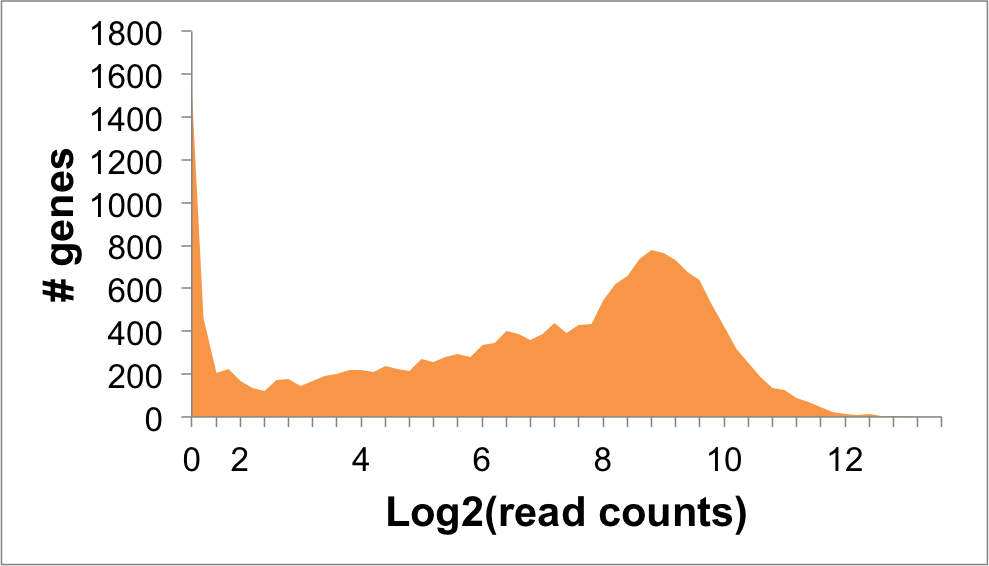
- Expression level (log2 read counts): 6.12
Expression Distribution
GPER1 Expression in NALM6 Cells: 6.12