GRK5
Gene Information
- Official Symbol: GRK5
- Official Name: G protein-coupled receptor kinase 5
- Aliases and Previous Symbols: N/A
- Entrez ID: 2869
- UniProt: P34947
- Interactions: BioGRID
- PubMed articles: Open PubMed
- OMIM: Open OMIM
Function Summary
- Entrez Summary: N/A
- UniProt Summary: Serine/threonine kinase that phosphorylates preferentially the activated forms of a variety of G-protein- coupled receptors (GPCRs). Such receptor phosphorylation initiates beta-arrestin-mediated receptor desensitization, internalization, and signaling events leading to their down-regulation. Phosphorylates a variety of GPCRs, including adrenergic receptors, muscarinic acetylcholine receptors (more specifically Gi-coupled M2/M4 subtypes), dopamine receptors and opioid receptors. In addition to GPCRs, also phosphorylates various substrates: Hsc70- interacting protein/ST13, TP53/p53, HDAC5, and arrestin-1/ARRB1. Phosphorylation of ARRB1 by GRK5 inhibits G-protein independent MAPK1/MAPK3 signaling downstream of 5HT4-receptors. Phosphorylation of HDAC5, a repressor of myocyte enhancer factor 2 (MEF2) leading to nuclear export of HDAC5 and allowing MEF2- mediated transcription. Phosphorylation of TP53/p53, a crucial tumor suppressor, inhibits TP53/p53-mediated apoptosis. Phosphorylation of ST13 regulates internalization of the chemokine receptor. Phosphorylates rhodopsin (RHO) (in vitro) and a non G- protein-coupled receptor, LRP6 during Wnt signaling (in vitro). {ECO:0000269|PubMed:19661922, ECO:0000269|PubMed:19801552, ECO:0000269|PubMed:20038610, ECO:0000269|PubMed:20124405, ECO:0000269|PubMed:21728385}.
CRISPR Data
Essentiality in NALM6
- Essentiality Rank: 11076
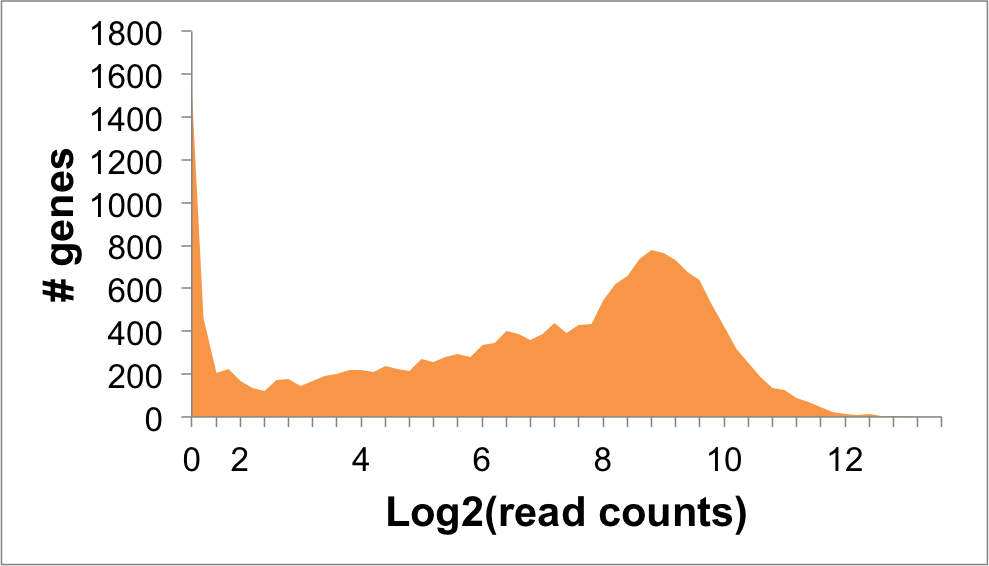
- Expression level (log2 read counts): 3.11
GRK5 Expression in NALM6 Cells: 3.11