H2AFB1
Gene Information
- Official Symbol: H2AB1
- Official Name: H2A.B variant histone 1
- Aliases and Previous Symbols: N/A
- Entrez ID: 474382
- UniProt: P0C5Y9
- Interactions: BioGRID
- PubMed articles: Open PubMed
- OMIM: Open OMIM
Function Summary
- Entrez Summary: N/A
- UniProt Summary: Atypical histone H2A which can replace conventional H2A in some nucleosomes and is associated with active transcription and mRNA processing (PubMed:22795134). Nucleosomes wrap and compact DNA into chromatin, limiting DNA accessibility to the cellular machineries which require DNA as a template. Histones thereby play a central role in transcription regulation, DNA repair, DNA replication and chromosomal stability (PubMed:15257289, PubMed:16287874, PubMed:16957777, PubMed:17591702, PubMed:17726088, PubMed:18329190, PubMed:22795134). Nucleosomes containing this histone are less rigid and organize less DNA than canonical nucleosomes in vivo (PubMed:15257289, PubMed:16957777, PubMed:17591702, PubMed:24336483). They are enriched in actively transcribed genes and associate with the elongating form of RNA polymerase (PubMed:17591702, PubMed:24753410). They associate with spliceosome components and are required for mRNA splicing (PubMed:22795134). {ECO:0000269|PubMed:15257289, ECO:0000269|PubMed:16287874, ECO:0000269|PubMed:16957777, ECO:0000269|PubMed:17591702, ECO:0000269|PubMed:17726088, ECO:0000269|PubMed:18329190, ECO:0000269|PubMed:22795134, ECO:0000269|PubMed:24336483, ECO:0000269|PubMed:24753410}.
CRISPR Data
Essentiality in NALM6
- Essentiality Rank: 5965
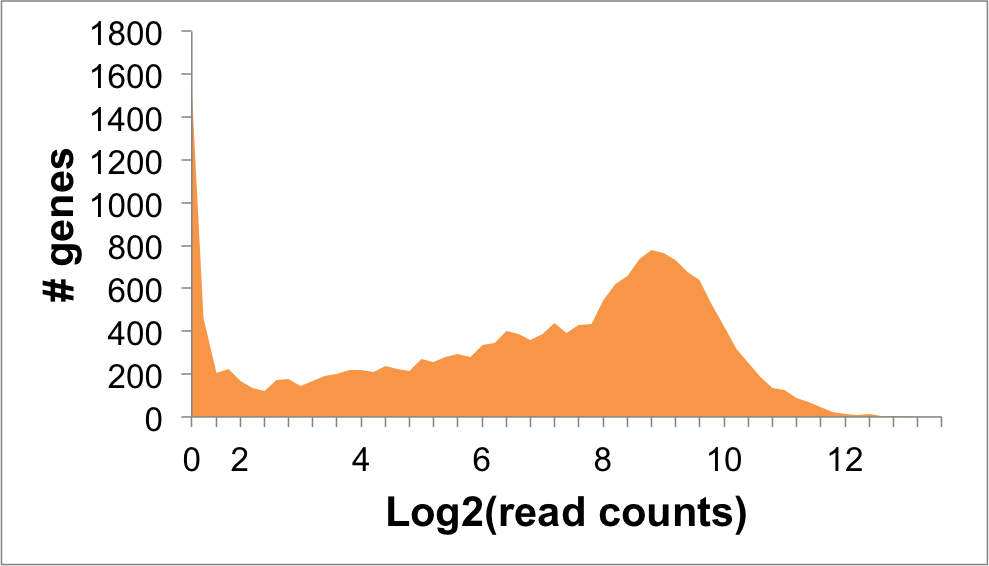
- Expression level (log2 read counts): -2.6
H2AFB1 Expression in NALM6 Cells: -2.6