IPO8
Gene Information
- Official Symbol: IPO8
- Official Name: importin 8
- Aliases and Previous Symbols: N/A
- Entrez ID: 10526
- UniProt: O15397
- Interactions: BioGRID
- PubMed articles: Open PubMed
- OMIM: Open OMIM
Function Summary
- Entrez Summary: N/A
- UniProt Summary: Seems to function in nuclear protein import, either by acting as autonomous nuclear transport receptor or as an adapter- like protein in association with the importin-beta subunit KPNB1. Acting autonomously, is thought to serve itself as receptor for nuclear localization signals (NLS) and to promote translocation of import substrates through the nuclear pore complex (NPC) by an energy requiring, Ran-dependent mechanism. At the nucleoplasmic side of the NPC, Ran binds to importin, the importin/substrate complex dissociates and importin is re-exported from the nucleus to the cytoplasm where GTP hydrolysis releases Ran. The directionality of nuclear import is thought to be conferred by an asymmetric distribution of the GTP- and GDP-bound forms of Ran between the cytoplasm and nucleus. In vitro mediates the nuclear import of SRP19. {ECO:0000269|PubMed:11682607, ECO:0000269|PubMed:9214382}.
CRISPR Data
Essentiality in NALM6
- Essentiality Rank: 17124
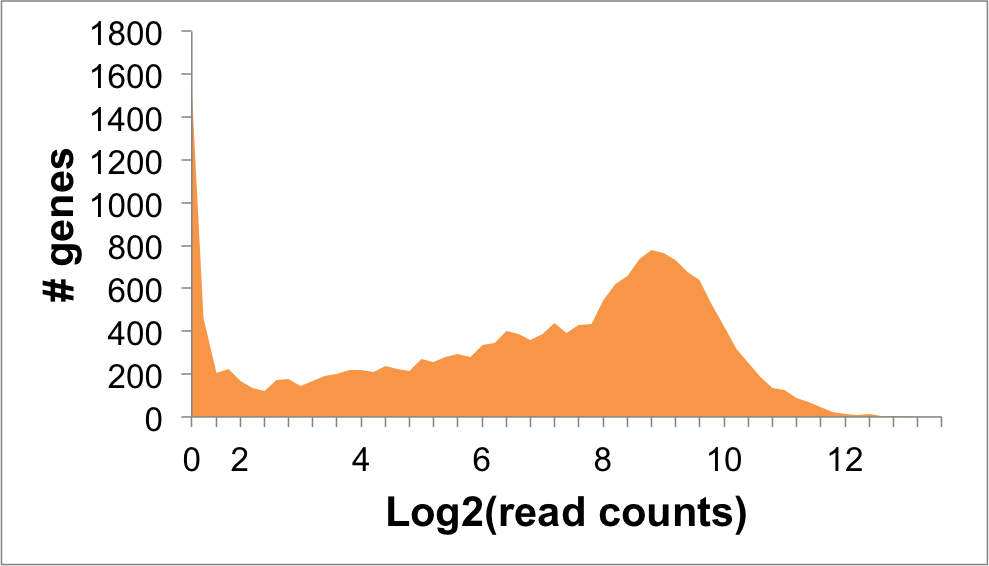
- Expression level (log2 read counts): 6.62
IPO8 Expression in NALM6 Cells: 6.62