ITGB6
Gene Information
- Official Symbol: ITGB6
- Official Name: integrin subunit beta 6
- Aliases and Previous Symbols: N/A
- Entrez ID: 3694
- UniProt: P18564
- Interactions: BioGRID
- PubMed articles: Open PubMed
- OMIM: Open OMIM
Function Summary
- Entrez Summary: This gene encodes a protein that is a member of the integrin superfamily. Members of this family are adhesion receptors that function in signaling from the extracellular matrix to the cell. Integrins are heterodimeric integral membrane proteins composed of an alpha chain and a beta chain. The encoded protein forms a dimer with an alpha v chain and this heterodimer can bind to ligands like fibronectin and transforming growth factor beta 1. Alternate splicing results in multiple transcript variants. [provided by RefSeq, Sep 2013].
- UniProt Summary: Integrin alpha-V/beta-6 is a receptor for fibronectin and cytotactin. It recognizes the sequence R-G-D in its ligands. Internalisation of integrin alpha-V/beta-6 via clathrin-mediated endocytosis promotes carcinoma cell invasion. ITGAV:ITGB6 acts as a receptor for fibrillin-1 (FBN1) and mediates R-G-D-dependent cell adhesion to FBN1 (PubMed:17158881). {ECO:0000269|PubMed:17158881, ECO:0000269|PubMed:17545607}. (Microbial infection) Integrin ITGAV:ITGB6 acts as a receptor for Herpes simplex virus-1/HHV-1 (PubMed:24367260). {ECO:0000269|PubMed:24367260}.
CRISPR Data
Essentiality in NALM6
- Essentiality Rank: 18852
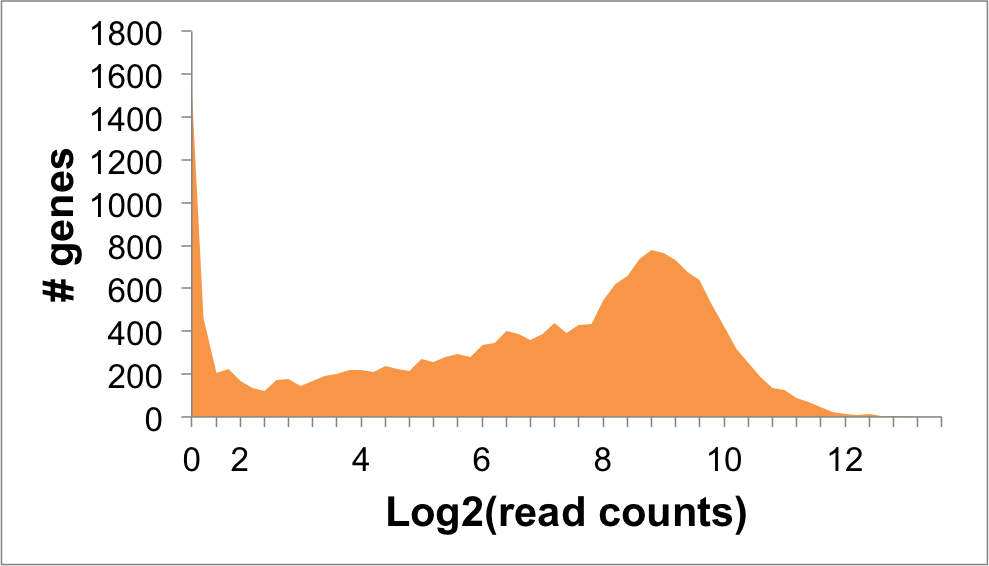
- Expression level (log2 read counts): -2.35
ITGB6 Expression in NALM6 Cells: -2.35