NDNL2
Gene Information
- Official Symbol: NSMCE3
- Official Name: NSE3 homolog, SMC5-SMC6 complex component
- Aliases and Previous Symbols: N/A
- Entrez ID: 56160
- UniProt: Q96MG7
- Interactions: BioGRID
- PubMed articles: Open PubMed
- OMIM: Open OMIM
Function Summary
- Entrez Summary: The protein encoded by this gene is part of the SMC5-6 chromatin reorganizing complex and is a member of the MAGE superfamily. This is an intronless gene. [provided by RefSeq, May 2011].
- UniProt Summary: Component of the SMC5-SMC6 complex, a complex involved in repair of DNA double-strand breaks by homologous recombination (PubMed:20864041, PubMed:27427983). The complex may promote sister chromatid homologous recombination by recruiting the SMC1-SMC3 cohesin complex to double-strand breaks. The complex is required for telomere maintenance via recombination in ALT (alternative lengthening of telomeres) cell lines and mediates sumoylation of shelterin complex (telosome) components which is proposed to lead to shelterin complex disassembly in ALT-associated PML bodies (APBs). In vitro enhances ubiquitin ligase activity of NSMCE1. Proposed to act through recruitment and/or stabilization of the Ubl-conjugating enzyme (E2) at the E3:substrate complex (PubMed:20864041). May be a growth suppressor that facilitates the entry of the cell into cell cycle arrest (By similarity). {ECO:0000250|UniProtKB:Q9CPR8, ECO:0000269|PubMed:20864041, ECO:0000269|PubMed:27427983}.
CRISPR Data
Essentiality in NALM6
- Essentiality Rank: 697
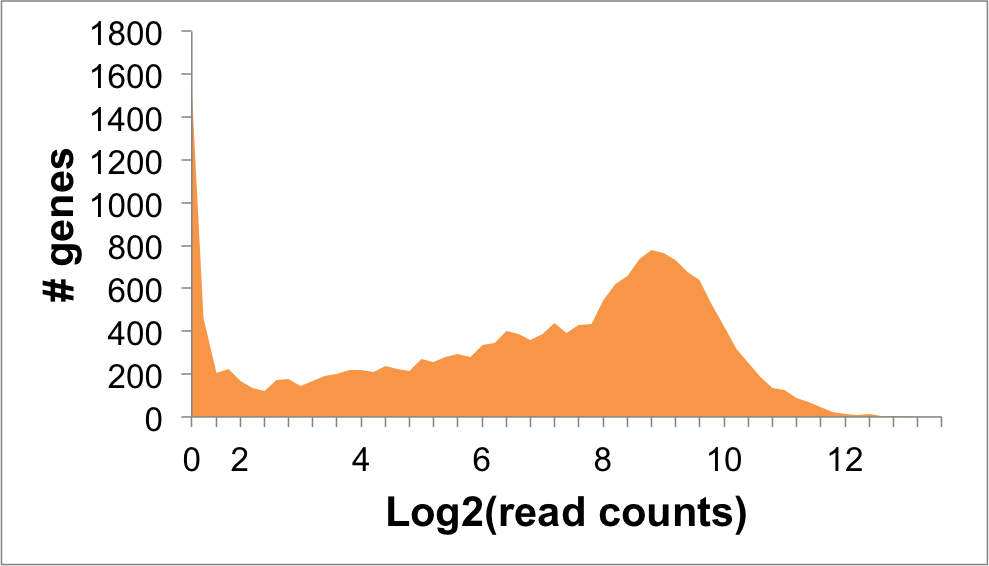
- Expression level (log2 read counts): 4.59
NDNL2 Expression in NALM6 Cells: 4.59