PRF1
Gene Information
- Official Symbol: PRF1
- Official Name: perforin 1
- Aliases and Previous Symbols: N/A
- Entrez ID: 5551
- UniProt: P14222
- Interactions: BioGRID
- PubMed articles: Open PubMed
- OMIM: Open OMIM
Function Summary
- Entrez Summary: This gene encodes a protein with structural similarities to complement component C9 that is important in immunity. This protein forms membrane pores that allow the release of granzymes and subsequent cytolysis of target cells. Whether pore formation occurs in the plasma membrane of target cells or in an endosomal membrane inside target cells is subject to debate. Mutations in this gene are associated with a variety of human disease including diabetes, multiple sclerosis, lymphomas, autoimmune lymphoproliferative syndrome (ALPS), aplastic anemia, and familial hemophagocytic lymphohistiocytosis type 2 (FHL2), a rare and lethal autosomal recessive disorder of early childhood. [provided by RefSeq, Aug 2017].
- UniProt Summary: Plays a key role in secretory granule-dependent cell death, and in defense against virus-infected or neoplastic cells. Plays an important role in killing other cells that are recognized as non-self by the immune system, e.g. in transplant rejection or some forms of autoimmune disease. Can insert into the membrane of target cells in its calcium-bound form, oligomerize and form large pores. Promotes cytolysis and apoptosis of target cells by facilitating the uptake of cytotoxic granzymes. {ECO:0000269|PubMed:20038786, ECO:0000269|PubMed:20225066, ECO:0000269|PubMed:20889983, ECO:0000269|PubMed:21037563, ECO:0000269|PubMed:9058810, ECO:0000269|PubMed:9164947}.
CRISPR Data
Essentiality in NALM6
- Essentiality Rank: 5207
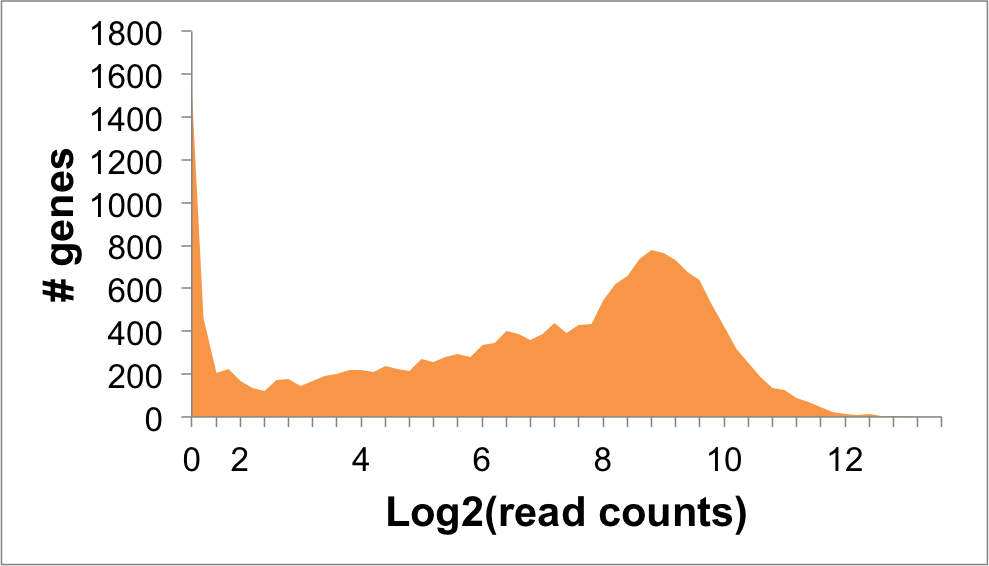
- Expression level (log2 read counts): 0.02
PRF1 Expression in NALM6 Cells: 0.02