PVRL4
Gene Information
- Official Symbol: NECTIN4
- Official Name: nectin cell adhesion molecule 4
- Aliases and Previous Symbols: N/A
- Entrez ID: 81607
- UniProt: Q96NY8
- Interactions: BioGRID
- PubMed articles: Open PubMed
- OMIM: Open OMIM
Function Summary
- Entrez Summary: This gene encodes a member of the nectin family. The encoded protein contains two immunoglobulin-like (Ig-like) C2-type domains and one Ig-like V-type domain. It is involved in cell adhesion through trans-homophilic and -heterophilic interactions. It is a single-pass type I membrane protein. The soluble form is produced by proteolytic cleavage at the cell surface by the metalloproteinase ADAM17/TACE. The secreted form is found in both breast tumor cell lines and breast tumor patients. Mutations in this gene are the cause of ectodermal dysplasia-syndactyly syndrome type 1, an autosomal recessive disorder. Alternatively spliced transcript variants have been found but the full-length nature of the variant has not been determined.[provided by RefSeq, Jan 2011].
- UniProt Summary: Seems to be involved in cell adhesion through trans- homophilic and -heterophilic interactions, the latter including specifically interactions with NECTIN1. Does not act as receptor for alpha-herpesvirus entry into cells.
CRISPR Data
Essentiality in NALM6
- Essentiality Rank: 11451
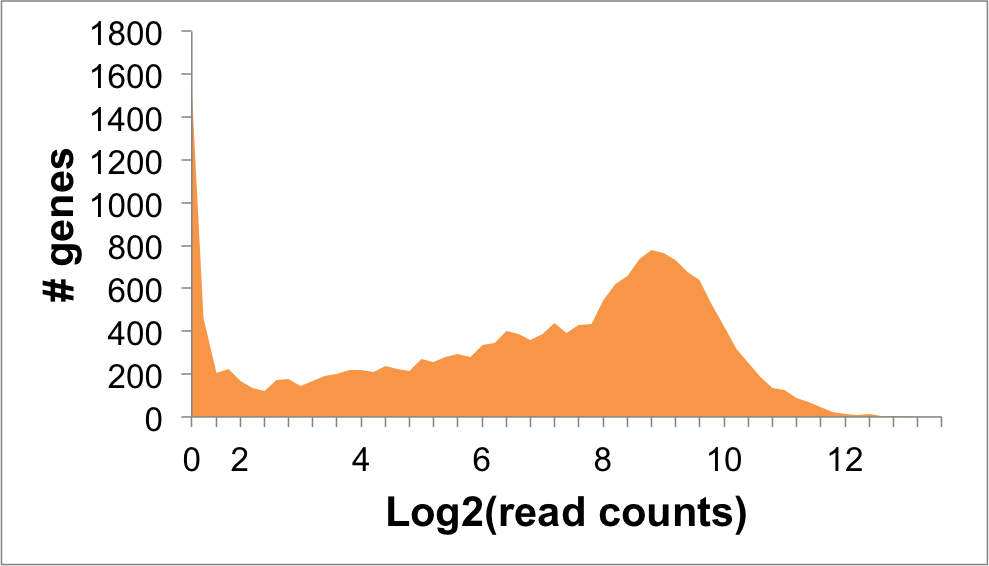
- Expression level (log2 read counts): 0.55
PVRL4 Expression in NALM6 Cells: 0.55