TM4SF20
Gene Information
- Official Symbol: TM4SF20
- Official Name: transmembrane 4 L six family member 20
- Aliases and Previous Symbols: N/A
- Entrez ID: 79853
- UniProt: Q53R12
- Interactions: BioGRID
- PubMed articles: Open PubMed
- OMIM: Open OMIM
Function Summary
- Entrez Summary: The protein encoded by this gene is a member of the four-transmembrane L6 superfamily. Members of this family function in various cellular processes including cell proliferation, motility, and adhesion via their interactions with integrins. In human brain tissue, this gene is expressed at high levels in the parietal lobe, occipital lobe, hippocampus, pons, white matter, corpus callosum, and cerebellum. Knockout of the homologous gene in mouse results in a neurobehavioral phenotype with suggested enhanced motor coordination. A deletion mutation in the human gene is associated with specific language impairment-5. [provided by RefSeq, Jul 2016].
- UniProt Summary: Polytopic transmembrane protein that inhibits regulated intramembrane proteolysis (RIP) of CREB3L1, inhibiting its activation and the induction of collagen synthesis (PubMed:25310401, PubMed:27499293). In response to ceramide, which alters TM4SF20 membrane topology, stimulates RIP activation of CREB3L1 (PubMed:27499293). Ceramide reverses the direction through which transmembrane helices are translocated into the endoplasmic reticulum membrane during translation of TM4SF20, this mechanism is called 'regulated alternative translocation' (RAT) and regulates the function of the transmembrane protein (PubMed:27499293). {ECO:0000269|PubMed:25310401, ECO:0000269|PubMed:27499293}.
CRISPR Data
Essentiality in NALM6
- Essentiality Rank: 14175
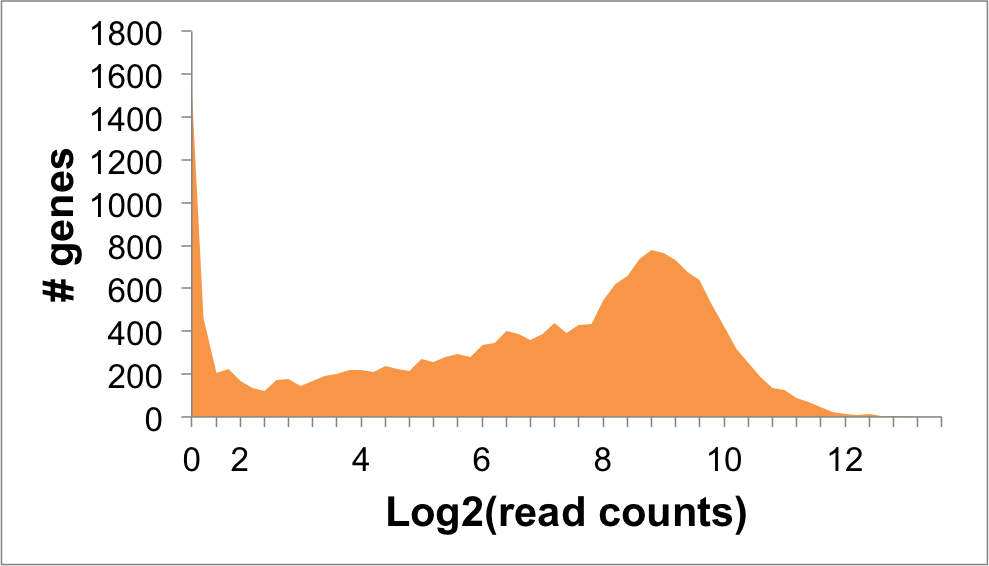
- Expression level (log2 read counts): 1.37
TM4SF20 Expression in NALM6 Cells: 1.37