SFRP2
Gene Information
- Official Symbol: SFRP2
- Official Name: secreted frizzled related protein 2
- Aliases and Previous Symbols: N/A
- Entrez ID: 6423
- UniProt: Q96HF1
- Interactions: BioGRID
- PubMed articles: Open PubMed
- OMIM: Open OMIM
Function Summary
- Entrez Summary: This gene encodes a member of the SFRP family that contains a cysteine-rich domain homologous to the putative Wnt-binding site of Frizzled proteins. SFRPs act as soluble modulators of Wnt signaling. Methylation of this gene is a potential marker for the presence of colorectal cancer. [provided by RefSeq, Jul 2008].
- UniProt Summary: Soluble frizzled-related proteins (sFRPS) function as modulators of Wnt signaling through direct interaction with Wnts. They have a role in regulating cell growth and differentiation in specific cell types. SFRP2 may be important for eye retinal development and for myogenesis.
Pfam Domains GO Terms
Pfam Domains
| Fz |
| NTR |
GO Terms
| negative regulation of dermatome development |
| negative regulation of planar cell polarity pathway involved in axis elongation |
| regulation of planar cell polarity pathway involved in axis elongation |
| negative regulation of mesodermal cell fate specification |
| sclerotome development |
| regulation of dermatome development |
| negative regulation of mesodermal cell differentiation |
| negative regulation of mesoderm formation |
| Wnt signaling pathway involved in somitogenesis |
| regulation of midbrain dopaminergic neuron differentiation |
| negative regulation of non-canonical Wnt signaling pathway |
| negative regulation of cell fate specification |
| convergent extension involved in axis elongation |
| regulation of mesodermal cell differentiation |
| negative regulation of gastrulation |
| endopeptidase activator activity |
| regulation of mesodermal cell fate specification |
| regulation of mesoderm formation |
| negative regulation of mesoderm development |
| regulation of stem cell division |
| regulation of dopaminergic neuron differentiation |
| cellular response to X-ray |
| regulation of cell fate specification |
| negative regulation of cell fate commitment |
| planar cell polarity pathway involved in neural tube closure |
| hematopoietic stem cell proliferation |
| negative regulation of JUN kinase activity |
| cardiac left ventricle morphogenesis |
| convergent extension |
| regulation of establishment of planar polarity involved in neural tube closure |
| regulation of Wnt signaling pathway, planar cell polarity pathway |
| regulation of mesoderm development |
| post-anal tail morphogenesis |
| regulation of epithelial tube formation |
| positive regulation of cell adhesion mediated by integrin |
| negative regulation of cardiac muscle cell apoptotic process |
| regulation of non-canonical Wnt signaling pathway |
| negative regulation of striated muscle cell apoptotic process |
| negative regulation of embryonic development |
| axis elongation |
| fibronectin binding |
| negative regulation of epithelial to mesenchymal transition |
| branching involved in blood vessel morphogenesis |
| regulation of cell fate commitment |
| response to X-ray |
| negative regulation of intrinsic apoptotic signaling pathway in response to DNA damage |
| receptor ligand activity |
| negative regulation of JNK cascade |
| regulation of cardiac muscle cell apoptotic process |
| regulation of gastrulation |
| Wnt-protein binding |
| negative regulation of extrinsic apoptotic signaling pathway via death domain receptors |
| negative regulation of muscle cell apoptotic process |
| regulation of intrinsic apoptotic signaling pathway in response to DNA damage |
| regulation of striated muscle cell apoptotic process |
| chondrocyte development |
| negative regulation of stress-activated MAPK cascade |
| negative regulation of stress-activated protein kinase signaling cascade |
| regulation of cell adhesion mediated by integrin |
| collagen fibril organization |
| digestive tract morphogenesis |
| negative regulation of BMP signaling pathway |
| negative regulation of peptidyl-tyrosine phosphorylation |
| stem cell proliferation |
| regulation of extrinsic apoptotic signaling pathway via death domain receptors |
| positive regulation of osteoblast differentiation |
| embryonic digit morphogenesis |
| positive regulation of fat cell differentiation |
| somitogenesis |
| regulation of muscle cell apoptotic process |
| cellular response to ionizing radiation |
| outflow tract morphogenesis |
| cardiac ventricle morphogenesis |
| negative regulation of MAP kinase activity |
| negative regulation of response to DNA damage stimulus |
| somite development |
| negative regulation of cysteine-type endopeptidase activity involved in apoptotic process |
| chondrocyte differentiation |
| regulation of epithelial to mesenchymal transition |
| positive regulation of ossification |
| regulation of JUN kinase activity |
| regulation of BMP signaling pathway |
| canonical Wnt signaling pathway |
| negative regulation of cysteine-type endopeptidase activity |
| neural tube closure |
| tube closure |
| segmentation |
| negative regulation of intrinsic apoptotic signaling pathway |
| Wnt signaling pathway, planar cell polarity pathway |
| primary neural tube formation |
| negative regulation of extrinsic apoptotic signaling pathway |
| positive regulation of peptidyl-serine phosphorylation |
| negative regulation of developmental growth |
| neural tube formation |
| regulation of establishment of planar polarity |
| regulation of osteoblast differentiation |
| bone morphogenesis |
| developmental growth involved in morphogenesis |
| negative regulation of transmembrane receptor protein serine/threonine kinase signaling pathway |
| regulation of fat cell differentiation |
| embryonic epithelial tube formation |
| negative regulation of epithelial cell proliferation |
| embryonic appendage morphogenesis |
| embryonic limb morphogenesis |
| cardiac chamber morphogenesis |
| cardiac ventricle development |
| regulation of embryonic development |
| branching morphogenesis of an epithelial tube |
| integrin binding |
| digestive tract development |
| epithelial tube formation |
| negative regulation of protein serine/threonine kinase activity |
| non-canonical Wnt signaling pathway |
| male gonad development |
| development of primary male sexual characteristics |
| regulation of peptidyl-serine phosphorylation |
| digestive system development |
| positive regulation of canonical Wnt signaling pathway |
| morphogenesis of embryonic epithelium |
| tube formation |
| negative regulation of cellular response to growth factor stimulus |
| response to ionizing radiation |
| limb morphogenesis |
| appendage morphogenesis |
| regulation of extrinsic apoptotic signaling pathway |
| male sex differentiation |
| morphogenesis of a branching epithelium |
| neural tube development |
| regulation of intrinsic apoptotic signaling pathway |
| positive regulation of cell growth |
| positive regulation of angiogenesis |
| negative regulation of MAPK cascade |
| regulation of cell division |
| morphogenesis of a branching structure |
| cardiac chamber development |
| cartilage development |
| positive regulation of endopeptidase activity |
| cellular response to radiation |
| negative regulation of canonical Wnt signaling pathway |
| positive regulation of Wnt signaling pathway |
| limb development |
| appendage development |
| regulation of morphogenesis of an epithelium |
| positive regulation of vasculature development |
| negative regulation of cell growth |
| regulation of JNK cascade |
| regulation of ossification |
| positive regulation of peptidase activity |
| bone development |
| negative regulation of Wnt signaling pathway |
| gonad development |
| response to nutrient |
| regulation of cysteine-type endopeptidase activity involved in apoptotic process |
| development of primary sexual characteristics |
| anterior/posterior pattern specification |
| regulation of response to DNA damage stimulus |
| mesenchyme development |
| connective tissue development |
| negative regulation of protein kinase activity |
| negative regulation of apoptotic signaling pathway |
| regulation of stress-activated MAPK cascade |
| regulation of transmembrane receptor protein serine/threonine kinase signaling pathway |
| regulation of stress-activated protein kinase signaling cascade |
| skeletal system morphogenesis |
| regulation of cysteine-type endopeptidase activity |
| negative regulation of growth |
| negative regulation of endopeptidase activity |
| negative regulation of kinase activity |
| heart morphogenesis |
| regulation of peptidyl-tyrosine phosphorylation |
| negative regulation of peptidase activity |
| regulation of animal organ morphogenesis |
| positive regulation of growth |
| negative regulation of cell migration |
| cellular response to extracellular stimulus |
| sex differentiation |
| regulation of cellular response to growth factor stimulus |
| negative regulation of cell motility |
| negative regulation of transferase activity |
| regulation of canonical Wnt signaling pathway |
| regulation of angiogenesis |
| epithelial tube morphogenesis |
| negative regulation of cellular component movement |
| cellular response to environmental stimulus |
| cellular response to abiotic stimulus |
| angiogenesis |
| regulation of vasculature development |
| negative regulation of locomotion |
| regulation of developmental growth |
| regionalization |
| regulation of epithelial cell proliferation |
| cellular response to external stimulus |
| extracellular matrix organization |
| regulation of MAP kinase activity |
| negative regulation of proteolysis |
| Wnt signaling pathway |
| cell-cell signaling by wnt |
| positive regulation of proteolysis |
| regulation of Wnt signaling pathway |
| collagen-containing extracellular matrix |
| extracellular structure organization |
| developmental growth |
| growth |
| regulation of apoptotic signaling pathway |
| positive regulation of cell adhesion |
| negative regulation of protein phosphorylation |
| blood vessel morphogenesis |
| regulation of cell growth |
| regulation of endopeptidase activity |
| reproductive structure development |
| cell surface receptor signaling pathway involved in cell-cell signaling |
| reproductive system development |
| morphogenesis of an epithelium |
| pattern specification process |
| response to radiation |
| negative regulation of phosphorylation |
| regulation of peptidase activity |
| negative regulation of hydrolase activity |
| supramolecular fiber organization |
| blood vessel development |
| skeletal system development |
| regulation of neuron projection development |
| response to nutrient levels |
| negative regulation of intracellular signal transduction |
| vasculature development |
| regulation of protein serine/threonine kinase activity |
| cardiovascular system development |
| heart development |
| response to extracellular stimulus |
| cell population proliferation |
| hemopoiesis |
| negative regulation of phosphate metabolic process |
| negative regulation of phosphorus metabolic process |
| tissue morphogenesis |
| embryonic morphogenesis |
| negative regulation of protein modification process |
| hematopoietic or lymphoid organ development |
| chordate embryonic development |
| positive regulation of apoptotic process |
| immune system development |
| positive regulation of programmed cell death |
| embryo development ending in birth or egg hatching |
| tube morphogenesis |
| regulation of neuron differentiation |
| developmental process involved in reproduction |
| regulation of growth |
| negative regulation of cell population proliferation |
| regulation of cell adhesion |
| regulation of plasma membrane bounded cell projection organization |
| positive regulation of cell death |
| regulation of cell projection organization |
| negative regulation of cell differentiation |
| regulation of proteolysis |
| regulation of cellular response to stress |
| regulation of MAPK cascade |
| positive regulation of hydrolase activity |
| negative regulation of catalytic activity |
| regulation of protein kinase activity |
| regulation of neurogenesis |
| tube development |
| regulation of cell migration |
| circulatory system development |
| regulation of kinase activity |
| negative regulation of apoptotic process |
| anatomical structure formation involved in morphogenesis |
| negative regulation of programmed cell death |
| regulation of cell motility |
| positive regulation of cell population proliferation |
| apoptotic process |
| regulation of nervous system development |
| regulation of cell development |
| negative regulation of developmental process |
| animal organ morphogenesis |
| positive regulation of cell differentiation |
| regulation of transferase activity |
| embryo development |
| regulation of locomotion |
| regulation of cellular component movement |
| negative regulation of cell death |
| positive regulation of protein phosphorylation |
| response to drug |
| negative regulation of cellular protein metabolic process |
| programmed cell death |
| positive regulation of phosphorylation |
| regulation of anatomical structure morphogenesis |
| cell death |
| negative regulation of protein metabolic process |
| epithelium development |
| cell-cell signaling |
| positive regulation of phosphate metabolic process |
| positive regulation of phosphorus metabolic process |
| negative regulation of molecular function |
| response to abiotic stimulus |
| negative regulation of transcription, DNA-templated |
| negative regulation of multicellular organismal process |
| positive regulation of transcription by RNA polymerase II |
| positive regulation of protein modification process |
| negative regulation of nucleic acid-templated transcription |
| negative regulation of RNA biosynthetic process |
| negative regulation of signal transduction |
| regulation of hydrolase activity |
| negative regulation of RNA metabolic process |
| negative regulation of cell communication |
| negative regulation of signaling |
| positive regulation of developmental process |
| negative regulation of cellular macromolecule biosynthetic process |
| reproductive process |
| reproduction |
| positive regulation of catalytic activity |
| negative regulation of nucleobase-containing compound metabolic process |
| regulation of protein phosphorylation |
| negative regulation of macromolecule biosynthetic process |
| regulation of response to stress |
| negative regulation of cellular biosynthetic process |
| generation of neurons |
| regulation of apoptotic process |
| positive regulation of transcription, DNA-templated |
| negative regulation of biosynthetic process |
| regulation of programmed cell death |
| regulation of phosphorylation |
| extracellular space |
| positive regulation of cellular protein metabolic process |
| regulation of cell population proliferation |
| negative regulation of response to stimulus |
| neurogenesis |
| positive regulation of nucleic acid-templated transcription |
| positive regulation of RNA biosynthetic process |
| cell development |
| positive regulation of signal transduction |
| regulation of cell death |
| positive regulation of protein metabolic process |
| negative regulation of gene expression |
| positive regulation of RNA metabolic process |
| positive regulation of multicellular organismal process |
| tissue development |
| positive regulation of molecular function |
| regulation of phosphate metabolic process |
| regulation of phosphorus metabolic process |
| regulation of cell differentiation |
| positive regulation of cell communication |
| positive regulation of signaling |
| regulation of intracellular signal transduction |
| regulation of protein modification process |
| protein-containing complex subunit organization |
| positive regulation of nucleobase-containing compound metabolic process |
| positive regulation of macromolecule biosynthetic process |
| positive regulation of cellular biosynthetic process |
| positive regulation of gene expression |
| positive regulation of biosynthetic process |
CRISPR Data
Compound Hit Most Correlated Genes in Chemogenomics Tissues where Essential in the Avana Dataset (DepMap 20Q1)
Compound Hit
| Screen | Score |
|---|---|
| Vinorelbine 0.001μM R05 exp249 | -2.03 |
| Geldanamycin 0.01μM R05 exp235 | 1.76 |
Most Correlated Genes in Chemogenomics
No correlation found to any other genes in chemogenomics.
Tissues where Essential in the Avana Dataset (DepMap 20Q1)
Global Fraction of Cell Lines Where Essential: 0/739
| Tissue | Fraction Of Cell Lines Where Essential |
|---|---|
| 1290807.0 | 0/1 |
| 909776.0 | 0/1 |
| bile duct | 0/28 |
| blood | 0/28 |
| bone | 0/26 |
| breast | 0/33 |
| central nervous system | 0/56 |
| cervix | 0/4 |
| colorectal | 0/17 |
| esophagus | 0/13 |
| fibroblast | 0/1 |
| gastric | 0/16 |
| kidney | 0/21 |
| liver | 0/20 |
| lung | 0/75 |
| lymphocyte | 0/16 |
| ovary | 0/26 |
| pancreas | 0/24 |
| peripheral nervous system | 0/16 |
| plasma cell | 0/15 |
| prostate | 0/1 |
| skin | 0/24 |
| soft tissue | 0/9 |
| thyroid | 0/2 |
| upper aerodigestive | 0/22 |
| urinary tract | 0/29 |
| uterus | 0/5 |
Essentiality in NALM6
- Essentiality Rank: 3213
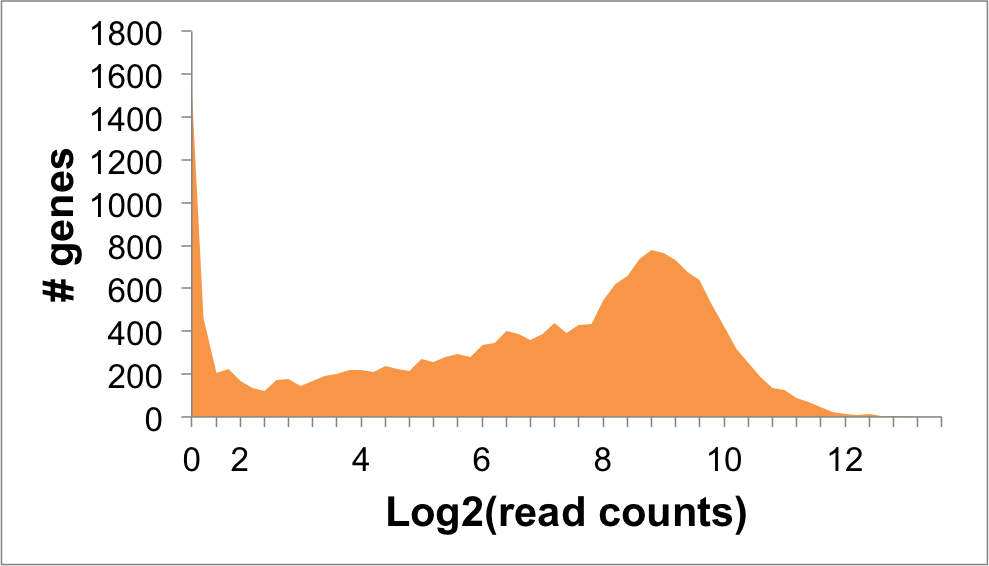
- Expression level (log2 read counts): -7.68
Expression Distribution
SFRP2 Expression in NALM6 Cells: -7.68