TGFB1
Gene Information
- Official Symbol: TGFB1
- Official Name: transforming growth factor beta 1
- Aliases and Previous Symbols: N/A
- Entrez ID: 7040
- UniProt: P01137
- Interactions: BioGRID
- PubMed articles: Open PubMed
- OMIM: Open OMIM
Function Summary
- Entrez Summary: This gene encodes a secreted ligand of the TGF-beta (transforming growth factor-beta) superfamily of proteins. Ligands of this family bind various TGF-beta receptors leading to recruitment and activation of SMAD family transcription factors that regulate gene expression. The encoded preproprotein is proteolytically processed to generate a latency-associated peptide (LAP) and a mature peptide, and is found in either a latent form composed of a mature peptide homodimer, a LAP homodimer, and a latent TGF-beta binding protein, or in an active form consisting solely of the mature peptide homodimer. The mature peptide may also form heterodimers with other TGFB family members. This encoded protein regulates cell proliferation, differentiation and growth, and can modulate expression and activation of other growth factors including interferon gamma and tumor necrosis factor alpha. This gene is frequently upregulated in tumor cells, and mutations in this gene result in Camurati-Engelmann disease. [provided by RefSeq, Aug 2016].
- UniProt Summary: Multifunctional protein that controls proliferation, differentiation and other functions in many cell types. Many cells synthesize TGFB1 and have specific receptors for it. It positively and negatively regulates many other growth factors. It plays an important role in bone remodeling as it is a potent stimulator of osteoblastic bone formation, causing chemotaxis, proliferation and differentiation in committed osteoblasts (By similarity). Stimulates sustained production of collagen through the activation of CREB3L1 by regulated intramembrane proteolysis (RIP) (PubMed:25310401). Can promote either T-helper 17 cells (Th17) or regulatory T-cells (Treg) lineage differentiation in a concentration-dependent manner. At high concentrations, leads to FOXP3-mediated suppression of RORC and down-regulation of IL-17 expression, favoring Treg cell development. At low concentrations in concert with IL-6 and IL-21, leads to expression of the IL-17 and IL-23 receptors, favoring differentiation to Th17 cells. Mediates SMAD2/3 activation by inducing its phosphorylation and subsequent translocation to the nucleus (PubMed:25893292). Can induce epithelial-to-mesenchymal transition (EMT) and cell migration in various cell types (PubMed:25893292). {ECO:0000250|UniProtKB:P04202, ECO:0000269|PubMed:25310401, ECO:0000269|PubMed:25893292}.
Pfam Domains GO Terms
Pfam Domains
| TGF beta |
| TGFb propeptide |
GO Terms
| defense response to fungus, incompatible interaction |
| transforming growth factor beta receptor signaling pathway involved in heart development |
| positive regulation of microglia differentiation |
| embryonic liver development |
| regulation of microglia differentiation |
| defense response, incompatible interaction |
| type III transforming growth factor beta receptor binding |
| regulation of NAD+ ADP-ribosyltransferase activity |
| positive regulation of NAD+ ADP-ribosyltransferase activity |
| negative regulation of extracellular matrix disassembly |
| frontal suture morphogenesis |
| negative regulation of hyaluronan biosynthetic process |
| tolerance induction to self antigen |
| evasion or tolerance of host defenses by virus |
| positive regulation of extracellular matrix assembly |
| thelarche |
| evasion or tolerance of defenses of other organism involved in symbiotic interaction |
| positive regulation of exit from mitosis |
| mammary gland branching involved in thelarche |
| branch elongation involved in mammary gland duct branching |
| positive regulation of isotype switching to IgA isotypes |
| ossification involved in bone remodeling |
| connective tissue replacement involved in inflammatory response wound healing |
| regulation of branching involved in mammary gland duct morphogenesis |
| connective tissue replacement |
| avoidance of host defenses |
| avoidance of defenses of other organism involved in symbiotic interaction |
| negative regulation of cytolysis |
| evasion or tolerance of host defenses |
| regulatory T cell differentiation |
| negative regulation of macrophage cytokine production |
| development of secondary female sexual characteristics |
| wound healing involved in inflammatory response |
| common-partner SMAD protein phosphorylation |
| positive regulation of receptor clustering |
| regulation of isotype switching to IgA isotypes |
| response to host |
| SMAD protein complex assembly |
| response to host defenses |
| response to defenses of other organism involved in symbiotic interaction |
| foam cell differentiation |
| type II transforming growth factor beta receptor binding |
| negative regulation of neuroblast proliferation |
| inflammatory response to wounding |
| macrophage derived foam cell differentiation |
| regulation of hyaluronan biosynthetic process |
| development of secondary sexual characteristics |
| regulation of interleukin-23 production |
| regulation of blood vessel remodeling |
| regulation of epithelial to mesenchymal transition involved in endocardial cushion formation |
| germ cell migration |
| cellular response to insulin-like growth factor stimulus |
| cranial suture morphogenesis |
| regulation of extracellular matrix assembly |
| positive regulation of production of miRNAs involved in gene silencing by miRNA |
| negative regulation of production of miRNAs involved in gene silencing by miRNA |
| negative regulation of extracellular matrix organization |
| type I transforming growth factor beta receptor binding |
| positive regulation of odontogenesis |
| regulation of cardiac epithelial to mesenchymal transition |
| positive regulation of vascular permeability |
| regulation of receptor clustering |
| positive regulation of smooth muscle cell differentiation |
| positive regulation of fibroblast migration |
| positive regulation of SMAD protein signal transduction |
| negative regulation of skeletal muscle tissue development |
| pathway-restricted SMAD protein phosphorylation |
| negative regulation of stem cell proliferation |
| tolerance induction |
| negative regulation of release of sequestered calcium ion into cytosol |
| negative regulation of interleukin-17 production |
| regulation of macrophage cytokine production |
| positive regulation of regulatory T cell differentiation |
| negative regulation of gene silencing by miRNA |
| response to laminar fluid shear stress |
| positive regulation of macrophage differentiation |
| negative regulation of gene silencing by RNA |
| hyaluronan catabolic process |
| regulation of extracellular matrix disassembly |
| negative regulation of posttranscriptional gene silencing |
| positive regulation of sequestering of calcium ion |
| lymph node development |
| regulation of cytolysis |
| positive regulation of interleukin-17 production |
| branch elongation of an epithelium |
| positive regulation of branching involved in ureteric bud morphogenesis |
| myeloid dendritic cell differentiation |
| positive regulation of histone deacetylation |
| negative regulation of calcium ion transport into cytosol |
| craniofacial suture morphogenesis |
| positive regulation of cardiac muscle cell differentiation |
| response to salt |
| regulation of exit from mitosis |
| positive regulation of superoxide anion generation |
| regulation of production of miRNAs involved in gene silencing by miRNA |
| extracellular matrix assembly |
| membrane protein intracellular domain proteolysis |
| negative regulation of phagocytosis |
| regulation of production of small RNA involved in gene silencing by RNA |
| positive regulation of extracellular matrix organization |
| positive regulation of mesonephros development |
| muscle cell cellular homeostasis |
| regulation of macrophage differentiation |
| myeloid dendritic cell activation |
| positive regulation of protein deacetylation |
| regulation of SMAD protein signal transduction |
| regulation of branching involved in ureteric bud morphogenesis |
| regulation of superoxide anion generation |
| negative regulation of protein localization to plasma membrane |
| branching involved in mammary gland duct morphogenesis |
| negative regulation of neural precursor cell proliferation |
| positive regulation of gene silencing by miRNA |
| positive regulation of mononuclear cell migration |
| positive regulation of posttranscriptional gene silencing |
| negative regulation of protein localization to cell periphery |
| cell surface receptor signaling pathway involved in heart development |
| negative regulation of cytokine production involved in immune response |
| regulation of mesonephros development |
| positive regulation of transcription regulatory region DNA binding |
| negative regulation of myoblast differentiation |
| positive regulation of isotype switching |
| positive regulation of collagen biosynthetic process |
| response to cholesterol |
| positive regulation of collagen metabolic process |
| regulation of odontogenesis |
| receptor catabolic process |
| response to immobilization stress |
| axis elongation |
| lens fiber cell differentiation |
| positive regulation of vascular endothelial growth factor production |
| positive regulation of cardiocyte differentiation |
| negative regulation of biomineral tissue development |
| negative regulation of biomineralization |
| regulation of histone deacetylation |
| aortic valve morphogenesis |
| protein serine/threonine kinase activator activity |
| regulation of interleukin-17 production |
| positive regulation of peptidyl-threonine phosphorylation |
| salivary gland morphogenesis |
| cellular response to dexamethasone stimulus |
| liver regeneration |
| positive regulation of histone acetylation |
| negative regulation of protein localization to membrane |
| regulation of fibroblast migration |
| response to vitamin D |
| regulation of regulatory T cell differentiation |
| response to sterol |
| positive regulation of pri-miRNA transcription by RNA polymerase II |
| hyaluronan metabolic process |
| mammary gland duct morphogenesis |
| regulation of smooth muscle cell differentiation |
| salivary gland development |
| positive regulation of phosphatidylinositol 3-kinase activity |
| dendritic cell differentiation |
| regulation of neuroblast proliferation |
| face morphogenesis |
| modulation by virus of host morphology or physiology |
| negative regulation of blood vessel endothelial cell migration |
| regulation of vascular endothelial growth factor production |
| aortic valve development |
| positive regulation of peptidyl-lysine acetylation |
| regulation of isotype switching |
| regulation of superoxide metabolic process |
| T cell homeostasis |
| response to fluid shear stress |
| positive regulation of morphogenesis of an epithelium |
| lipopolysaccharide-mediated signaling pathway |
| ATP biosynthetic process |
| negative regulation of production of molecular mediator of immune response |
| regulation of collagen biosynthetic process |
| regulation of vascular permeability |
| negative regulation of gene silencing |
| positive regulation of lipid kinase activity |
| regulation of cardiac muscle cell differentiation |
| defense response to fungus |
| positive regulation of immunoglobulin mediated immune response |
| membrane protein proteolysis |
| semi-lunar valve development |
| regulation of polysaccharide biosynthetic process |
| positive regulation of protein import into nucleus |
| regulation of actin cytoskeleton reorganization |
| positive regulation of B cell mediated immunity |
| head morphogenesis |
| protein kinase B signaling |
| regulation of extracellular matrix organization |
| positive regulation of protein import |
| positive regulation of DNA recombination |
| positive regulation of bone mineralization |
| negative regulation of calcium ion transmembrane transport |
| regulation of heart morphogenesis |
| response to dexamethasone |
| regulation of collagen metabolic process |
| positive regulation of kidney development |
| modification by symbiont of host morphology or physiology |
| positive regulation of protein acetylation |
| regulation of pri-miRNA transcription by RNA polymerase II |
| oligodendrocyte development |
| positive regulation of glial cell differentiation |
| transforming growth factor beta receptor binding |
| exocrine system development |
| positive regulation of immunoglobulin production |
| regulation of protein deacetylation |
| regulation of polysaccharide metabolic process |
| mammary gland morphogenesis |
| positive regulation of protein dephosphorylation |
| positive regulation of cardiac muscle tissue development |
| regulation of peptidyl-threonine phosphorylation |
| osteoclast differentiation |
| body morphogenesis |
| response to progesterone |
| purine ribonucleoside triphosphate biosynthetic process |
| regulation of mononuclear cell migration |
| purine nucleoside triphosphate biosynthetic process |
| bone remodeling |
| negative regulation of fat cell differentiation |
| positive regulation of biomineral tissue development |
| positive regulation of biomineralization |
| positive regulation of epithelial to mesenchymal transition |
| ventricular cardiac muscle tissue morphogenesis |
| face development |
| positive regulation of pathway-restricted SMAD protein phosphorylation |
| positive regulation of phospholipid metabolic process |
| negative regulation of striated muscle tissue development |
| negative regulation of carbohydrate metabolic process |
| response to fungus |
| negative regulation of muscle organ development |
| negative regulation of endothelial cell migration |
| regulation of skeletal muscle tissue development |
| positive regulation of fibroblast proliferation |
| epidermal growth factor receptor signaling pathway |
| regulation of cardiocyte differentiation |
| regulation of immunoglobulin mediated immune response |
| regulation of B cell mediated immunity |
| negative regulation of muscle tissue development |
| ribonucleoside triphosphate biosynthetic process |
| regulation of transcription regulatory region DNA binding |
| heart valve morphogenesis |
| regulation of phosphatidylinositol 3-kinase activity |
| lymphocyte homeostasis |
| positive regulation of mitotic nuclear division |
| regulation of myoblast differentiation |
| positive regulation of blood vessel endothelial cell migration |
| positive regulation of myeloid leukocyte differentiation |
| ventricular cardiac muscle tissue development |
| regulation of kidney development |
| regulation of protein import into nucleus |
| regulation of morphogenesis of a branching structure |
| regulation of histone acetylation |
| cellular response to glucocorticoid stimulus |
| positive regulation of DNA binding |
| SMAD protein signal transduction |
| regulation of protein import |
| positive regulation of dephosphorylation |
| positive regulation of striated muscle cell differentiation |
| mammary gland epithelium development |
| cellular response to corticosteroid stimulus |
| purine ribonucleoside triphosphate metabolic process |
| negative regulation of T cell proliferation |
| negative regulation of calcium ion transport |
| glycosaminoglycan catabolic process |
| regulation of pathway-restricted SMAD protein phosphorylation |
| heart valve development |
| regulation of peptidyl-lysine acetylation |
| regulation of lipid kinase activity |
| positive regulation of nucleocytoplasmic transport |
| microvillus |
| nucleoside triphosphate biosynthetic process |
| regulation of immunoglobulin production |
| regulation of stem cell proliferation |
| cranial skeletal system development |
| ribonucleoside triphosphate metabolic process |
| positive regulation of nuclear division |
| negative regulation of epithelial cell migration |
| aminoglycan catabolic process |
| platelet alpha granule lumen |
| vasculogenesis |
| cardiac muscle tissue morphogenesis |
| purine nucleoside triphosphate metabolic process |
| regulation of glial cell differentiation |
| oligodendrocyte differentiation |
| positive regulation of gliogenesis |
| positive regulation of muscle organ development |
| leukocyte homeostasis |
| cellular response to ionizing radiation |
| positive regulation of striated muscle tissue development |
| ERBB signaling pathway |
| epithelial to mesenchymal transition |
| positive regulation of muscle tissue development |
| regulation of cartilage development |
| regulation of protein acetylation |
| negative regulation of transforming growth factor beta receptor signaling pathway |
| regulation of tissue remodeling |
| endoderm development |
| animal organ regeneration |
| cardiac ventricle morphogenesis |
| negative regulation of ossification |
| positive regulation of protein localization to nucleus |
| regulation of bone mineralization |
| negative regulation of lymphocyte proliferation |
| negative regulation of mononuclear cell proliferation |
| negative regulation of cellular response to transforming growth factor beta stimulus |
| positive regulation of mitotic cell cycle phase transition |
| lens development in camera-type eye |
| regulation of release of sequestered calcium ion into cytosol |
| regulation of cardiac muscle tissue development |
| cellular response to mechanical stimulus |
| negative regulation of leukocyte proliferation |
| positive regulation of cell cycle arrest |
| muscle tissue morphogenesis |
| regulation of fibroblast proliferation |
| positive regulation of animal organ morphogenesis |
| positive regulation of T cell differentiation |
| negative regulation of cation transmembrane transport |
| chondrocyte differentiation |
| regulation of epithelial to mesenchymal transition |
| regulation of cytokine production involved in immune response |
| positive regulation of ossification |
| regulation of phospholipid metabolic process |
| mononuclear cell proliferation |
| ureteric bud development |
| positive regulation of muscle cell differentiation |
| mesonephric epithelium development |
| response to vitamin |
| positive regulation of cell division |
| regulation of sodium ion transport |
| regulation of gene silencing by miRNA |
| muscle organ morphogenesis |
| mesonephric tubule development |
| hematopoietic progenitor cell differentiation |
| regulation of neural precursor cell proliferation |
| regulation of blood vessel endothelial cell migration |
| regulation of posttranscriptional gene silencing |
| regulation of gene silencing by RNA |
| negative regulation of small molecule metabolic process |
| positive regulation of histone modification |
| mesonephros development |
| neural tube closure |
| tube closure |
| cellular response to ketone |
| positive regulation of myeloid cell differentiation |
| nucleoside triphosphate metabolic process |
| regulation of biomineral tissue development |
| regulation of biomineralization |
| positive regulation of lymphocyte differentiation |
| positive regulation of cell cycle phase transition |
| regulation of protein localization to plasma membrane |
| regulation of carbohydrate biosynthetic process |
| response to antineoplastic agent |
| positive regulation of reactive oxygen species metabolic process |
| regulation of phagocytosis |
| negative regulation of ion transmembrane transport |
| extrinsic apoptotic signaling pathway |
| positive regulation of production of molecular mediator of immune response |
| leukocyte proliferation |
| primary neural tube formation |
| regulation of calcium ion transport into cytosol |
| positive regulation of endothelial cell migration |
| gland morphogenesis |
| positive regulation of adaptive immune response based on somatic recombination of immune receptors built from immunoglobulin superfamily domains |
| tissue remodeling |
| Golgi lumen |
| regulation of striated muscle cell differentiation |
| transforming growth factor beta receptor signaling pathway |
| positive regulation of transmembrane receptor protein serine/threonine kinase signaling pathway |
| regulation of DNA recombination |
| positive regulation of chromatin organization |
| positive regulation of adaptive immune response |
| positive regulation of lymphocyte mediated immunity |
| receptor metabolic process |
| positive regulation of peptidyl-serine phosphorylation |
| neural tube formation |
| regulation of nucleocytoplasmic transport |
| myelination |
| mucopolysaccharide metabolic process |
| regulation of cell cycle arrest |
| glial cell development |
| protein N-terminus binding |
| axon ensheathment |
| ensheathment of neurons |
| modification of morphology or physiology of other organism involved in symbiotic interaction |
| negative regulation of T cell activation |
| myeloid leukocyte differentiation |
| negative regulation of cellular protein localization |
| bone morphogenesis |
| regulation of transforming growth factor beta receptor signaling pathway |
| regulation of protein localization to cell periphery |
| developmental growth involved in morphogenesis |
| regulation of cellular response to transforming growth factor beta stimulus |
| regulation of myeloid leukocyte differentiation |
| negative regulation of transmembrane receptor protein serine/threonine kinase signaling pathway |
| regulation of gliogenesis |
| regulation of protein localization to nucleus |
| negative regulation of transmembrane transport |
| negative regulation of immune effector process |
| negative regulation of leukocyte cell-cell adhesion |
| positive regulation of protein localization to membrane |
| regulation of fat cell differentiation |
| embryonic epithelial tube formation |
| negative regulation of epithelial cell proliferation |
| regulation of sequestering of calcium ion |
| liver development |
| Notch signaling pathway |
| regulation of DNA binding |
| cardiac chamber morphogenesis |
| mammary gland development |
| cardiac ventricle development |
| regulation of gene silencing |
| hepaticobiliary system development |
| kidney epithelium development |
| platelet degranulation |
| positive regulation of leukocyte migration |
| digestive tract development |
| branching morphogenesis of an epithelial tube |
| epithelial tube formation |
| regulation of striated muscle tissue development |
| positive regulation of leukocyte mediated immunity |
| T cell differentiation |
| regulation of muscle tissue development |
| response to estradiol |
| regulation of muscle organ development |
| positive regulation of chemotaxis |
| regulation of peptidyl-serine phosphorylation |
| regulation of T cell differentiation |
| cell-cell junction organization |
| response to glucose |
| regulation of protein dephosphorylation |
| positive regulation of epithelial cell migration |
| regulation of production of molecular mediator of immune response |
| blood microparticle |
| positive regulation of lipid metabolic process |
| antigen binding |
| digestive system development |
| response to hexose |
| morphogenesis of embryonic epithelium |
| regulation of adaptive immune response based on somatic recombination of immune receptors built from immunoglobulin superfamily domains |
| response to glucocorticoid |
| negative regulation of lymphocyte activation |
| regulation of histone modification |
| cell cycle arrest |
| positive regulation of leukocyte differentiation |
| negative regulation of ion transport |
| regulation of calcium ion transmembrane transport |
| negative regulation of cellular response to growth factor stimulus |
| tube formation |
| purine ribonucleotide biosynthetic process |
| protein export from nucleus |
| response to ionizing radiation |
| response to monosaccharide |
| negative regulation of immune response |
| regulation of lymphocyte mediated immunity |
| positive regulation of mitotic cell cycle |
| positive regulation of NF-kappaB transcription factor activity |
| mitotic cell cycle checkpoint |
| regulation of muscle cell differentiation |
| positive regulation of intracellular protein transport |
| cellular response to transforming growth factor beta stimulus |
| modification of morphology or physiology of other organism |
| glycosaminoglycan metabolic process |
| purine nucleotide biosynthetic process |
| mesenchymal cell differentiation |
| regeneration |
| regulation of T cell proliferation |
| interaction with host |
| regulation of endothelial cell migration |
| morphogenesis of a branching epithelium |
| nuclear export |
| neural tube development |
| regulation of adaptive immune response |
| ribonucleotide biosynthetic process |
| response to corticosteroid |
| response to transforming growth factor beta |
| cardiac muscle tissue development |
| growth factor activity |
| positive regulation of protein kinase B signaling |
| aminoglycan metabolic process |
| positive regulation of B cell activation |
| regulation of cell division |
| regulation of lymphocyte differentiation |
| regulation of mitotic nuclear division |
| morphogenesis of a branching structure |
| ribose phosphate biosynthetic process |
| vascular process in circulatory system |
| glial cell differentiation |
| cardiac chamber development |
| purine-containing compound biosynthetic process |
| cartilage development |
| response to carbohydrate |
| cytokine activity |
| positive regulation of chromosome organization |
| cellular response to radiation |
| negative regulation of cell-cell adhesion |
| negative regulation of leukocyte activation |
| positive regulation of binding |
| regulation of reactive oxygen species metabolic process |
| regulation of morphogenesis of an epithelium |
| female pregnancy |
| negative regulation of cell growth |
| cellular response to lipopolysaccharide |
| cellular response to xenobiotic stimulus |
| cellular response to steroid hormone stimulus |
| positive regulation of hemopoiesis |
| regulation of chromatin organization |
| positive regulation of epithelial cell proliferation |
| regulation of protein localization to membrane |
| regulation of ossification |
| positive regulation of peptidyl-tyrosine phosphorylation |
| cellular response to molecule of bacterial origin |
| carbohydrate derivative catabolic process |
| regulation of nuclear division |
| positive regulation of DNA metabolic process |
| inner ear development |
| response to ketone |
| cell cycle checkpoint |
| regulation of leukocyte migration |
| negative regulation of cell activation |
| transmembrane receptor protein serine/threonine kinase signaling pathway |
| bone development |
| homeostasis of number of cells |
| positive regulation of T cell activation |
| ATP metabolic process |
| regulation of carbohydrate metabolic process |
| regulation of leukocyte mediated immunity |
| positive regulation of intracellular transport |
| regulation of B cell activation |
| regulation of lymphocyte proliferation |
| regulation of mononuclear cell proliferation |
| regulation of dephosphorylation |
| multi-multicellular organism process |
| positive regulation of ERK1 and ERK2 cascade |
| regulation of chemotaxis |
| response to mechanical stimulus |
| gliogenesis |
| cell junction organization |
| cellular response to biotic stimulus |
| response to nutrient |
| positive regulation of leukocyte cell-cell adhesion |
| positive regulation of immune effector process |
| regulation of epithelial cell migration |
| myeloid cell differentiation |
| regulation of protein kinase B signaling |
| mesenchyme development |
| ear development |
| regulation of leukocyte proliferation |
| connective tissue development |
| regulation of myeloid cell differentiation |
| regulation of intracellular protein transport |
| extracellular matrix |
| response to alcohol |
| T cell activation |
| regulation of transmembrane receptor protein serine/threonine kinase signaling pathway |
| lymphocyte differentiation |
| skeletal system morphogenesis |
| negative regulation of growth |
| nucleotide biosynthetic process |
| nucleoside phosphate biosynthetic process |
| regulation of calcium ion transport |
| positive regulation of protein complex assembly |
| heart morphogenesis |
| regulation of peptidyl-tyrosine phosphorylation |
| positive regulation of cell-cell adhesion |
| regulation of animal organ morphogenesis |
| negative regulation of cell migration |
| ossification |
| positive regulation of MAP kinase activity |
| positive regulation of DNA-binding transcription factor activity |
| nucleocytoplasmic transport |
| nuclear transport |
| organic acid catabolic process |
| carboxylic acid catabolic process |
| cellular response to peptide hormone stimulus |
| kidney development |
| positive regulation of protein secretion |
| regulation of cellular response to growth factor stimulus |
| negative regulation of cell adhesion |
| regulation of leukocyte differentiation |
| negative regulation of cytokine production |
| negative regulation of cell motility |
| aging |
| adaptive immune response based on somatic recombination of immune receptors built from immunoglobulin superfamily domains |
| apoptotic signaling pathway |
| striated muscle tissue development |
| renal system development |
| positive regulation of cell cycle process |
| positive regulation of peptide secretion |
| negative regulation of neurogenesis |
| regulation of ERK1 and ERK2 cascade |
| muscle organ development |
| axon |
| regulation of leukocyte cell-cell adhesion |
| muscle tissue development |
| response to xenobiotic stimulus |
| epithelial tube morphogenesis |
| negative regulation of mitotic cell cycle |
| negative regulation of cellular component movement |
| purine ribonucleotide metabolic process |
| negative regulation of nervous system development |
| camera-type eye development |
| cellular response to environmental stimulus |
| cellular response to abiotic stimulus |
| response to lipopolysaccharide |
| regulation of T cell activation |
| urogenital system development |
| negative regulation of locomotion |
| positive regulation of cellular protein localization |
| cellular response to peptide |
| response to molecule of bacterial origin |
| ribonucleotide metabolic process |
| response to steroid hormone |
| purine nucleotide metabolic process |
| leukocyte differentiation |
| regulation of cation transmembrane transport |
| negative regulation of cell development |
| regulation of epithelial cell proliferation |
| cellular response to external stimulus |
| ribose phosphate metabolic process |
| positive regulation of protein serine/threonine kinase activity |
| extracellular matrix organization |
| anatomical structure homeostasis |
| regulation of MAP kinase activity |
| response to hypoxia |
| regulation of actin cytoskeleton organization |
| enzyme binding |
| regulation of chromosome organization |
| regulation of intracellular transport |
| regulation of DNA metabolic process |
| cellular process involved in reproduction in multicellular organism |
| response to decreased oxygen levels |
| eye development |
| positive regulation of lymphocyte activation |
| visual system development |
| collagen-containing extracellular matrix |
| purine-containing compound metabolic process |
| sensory system development |
| neuronal cell body |
| MAPK cascade |
| regulation of binding |
| positive regulation of cell cycle |
| leukocyte migration |
| response to oxygen levels |
| lymphocyte activation |
| extracellular structure organization |
| regulation of metal ion transport |
| regulation of actin filament-based process |
| developmental growth |
| blood circulation |
| response to peptide hormone |
| growth |
| signal transduction by protein phosphorylation |
| circulatory system process |
| regulation of lipid metabolic process |
| regulation of cell-cell adhesion |
| positive regulation of cell adhesion |
| positive regulation of secretion by cell |
| positive regulation of leukocyte activation |
| cellular response to drug |
| negative regulation of protein phosphorylation |
| blood vessel morphogenesis |
| gland development |
| regulation of mitotic cell cycle phase transition |
| regulation of cell growth |
| positive regulation of cell activation |
| positive regulation of protein transport |
| regulation of DNA-binding transcription factor activity |
| regulation of small molecule metabolic process |
| morphogenesis of an epithelium |
| embryonic organ development |
| positive regulation of secretion |
| cellular calcium ion homeostasis |
| small molecule catabolic process |
| response to radiation |
| negative regulation of immune system process |
| negative regulation of phosphorylation |
| nucleotide metabolic process |
| regulation of cell cycle phase transition |
| calcium ion homeostasis |
| positive regulation of cytokine production |
| regulation of hemopoiesis |
| regulation of protein complex assembly |
| nucleoside phosphate metabolic process |
| positive regulation of establishment of protein localization |
| regulation of protein secretion |
| cellular divalent inorganic cation homeostasis |
| regulation of immune effector process |
| positive regulation of neurogenesis |
| response to peptide |
| muscle structure development |
| regulation of ion transmembrane transport |
| wound healing |
| negative regulation of transport |
| blood vessel development |
| protein heterodimerization activity |
| divalent inorganic cation homeostasis |
| skeletal system development |
| regulation of peptide secretion |
| response to nutrient levels |
| inflammatory response |
| cellular response to growth factor stimulus |
| drug metabolic process |
| positive regulation of cell migration |
| vasculature development |
| transmembrane receptor protein tyrosine kinase signaling pathway |
| regulation of lymphocyte activation |
| regulation of protein serine/threonine kinase activity |
| cardiovascular system development |
| cellular response to lipid |
| positive regulation of cellular component biogenesis |
| positive regulation of cell motility |
| heart development |
| response to extracellular stimulus |
| response to growth factor |
| positive regulation of protein kinase activity |
| positive regulation of nervous system development |
| organophosphate biosynthetic process |
| positive regulation of cellular component movement |
| regulation of cellular protein localization |
| regulation of cytoskeleton organization |
| nucleobase-containing small molecule metabolic process |
| cellular response to organic cyclic compound |
| positive regulation of cell development |
| positive regulation of MAPK cascade |
| sensory organ development |
| regulation of vesicle-mediated transport |
| positive regulation of locomotion |
| cell population proliferation |
| cellular metal ion homeostasis |
| hemopoiesis |
| negative regulation of phosphate metabolic process |
| negative regulation of phosphorus metabolic process |
| regulation of transmembrane transport |
| tissue morphogenesis |
| embryonic morphogenesis |
| response to wounding |
| negative regulation of cell cycle |
| positive regulation of kinase activity |
| myeloid leukocyte activation |
| negative regulation of protein modification process |
| mitotic cell cycle process |
| cellular response to organonitrogen compound |
| regulation of leukocyte activation |
| positive regulation of response to external stimulus |
| cellular response to hormone stimulus |
| hematopoietic or lymphoid organ development |
| adaptive immune response |
| cell surface |
| carbohydrate derivative biosynthetic process |
| positive regulation of organelle organization |
| metal ion homeostasis |
| regulation of mitotic cell cycle |
| cellular cation homeostasis |
| chordate embryonic development |
| regulation of cell activation |
| positive regulation of apoptotic process |
| cellular ion homeostasis |
| immune system development |
| positive regulation of programmed cell death |
| embryo development ending in birth or egg hatching |
| tube morphogenesis |
| positive regulation of transferase activity |
| cellular response to nitrogen compound |
| developmental process involved in reproduction |
| regulation of growth |
| cytokine-mediated signaling pathway |
| negative regulation of cell population proliferation |
| epithelial cell differentiation |
| regulation of cell adhesion |
| mitotic cell cycle |
| response to bacterium |
| gamete generation |
| regulation of cytokine production |
| positive regulation of cell death |
| regulation of ion transport |
| viral process |
| regulated exocytosis |
| negative regulation of cellular component organization |
| regulation of protein transport |
| cation homeostasis |
| negative regulation of cell differentiation |
| enzyme linked receptor protein signaling pathway |
| inorganic ion homeostasis |
| regulation of peptide transport |
| cellular chemical homeostasis |
| regulation of establishment of protein localization |
| regulation of secretion by cell |
| regulation of MAPK cascade |
| regulation of cell cycle process |
| innate immune response |
| head development |
| symbiotic process |
| ion homeostasis |
| exocytosis |
| regulation of protein kinase activity |
| regulation of secretion |
| regulation of neurogenesis |
| interspecies interaction between organisms |
| multicellular organismal reproductive process |
| sexual reproduction |
| cellular protein-containing complex assembly |
| multicellular organism reproduction |
| tube development |
| regulation of cell migration |
| response to lipid |
| negative regulation of transcription by RNA polymerase II |
| positive regulation of immune response |
| circulatory system development |
| regulation of kinase activity |
| protein homodimerization activity |
| organophosphate metabolic process |
| anatomical structure formation involved in morphogenesis |
| cellular homeostasis |
| carboxylic acid metabolic process |
| response to hormone |
| regulation of cell motility |
| positive regulation of cell population proliferation |
| regulation of cellular localization |
| response to organic cyclic compound |
| apoptotic process |
| regulation of nervous system development |
| leukocyte activation |
| regulation of cell development |
| negative regulation of developmental process |
| defense response to other organism |
| animal organ morphogenesis |
| regulation of cellular component biogenesis |
| cell migration |
| positive regulation of cell differentiation |
| protein phosphorylation |
| regulation of transferase activity |
| embryo development |
| central nervous system development |
| regulation of locomotion |
| positive regulation of transport |
| multi-organism reproductive process |
| regulation of cellular component movement |
| intracellular protein transport |
| cell cycle process |
| response to organonitrogen compound |
| oxoacid metabolic process |
| secretion by cell |
| cellular response to cytokine stimulus |
| positive regulation of protein phosphorylation |
| positive regulation of intracellular signal transduction |
| response to drug |
| organic acid metabolic process |
| regulation of protein localization |
| carbohydrate derivative metabolic process |
| negative regulation of cellular protein metabolic process |
| export from cell |
| macromolecule catabolic process |
| programmed cell death |
| cellular response to oxygen-containing compound |
| positive regulation of phosphorylation |
| regulation of anatomical structure morphogenesis |
| organonitrogen compound catabolic process |
| identical protein binding |
| cell activation |
| localization of cell |
| cell motility |
| response to nitrogen compound |
| cell death |
| regulation of response to external stimulus |
| nucleobase-containing compound biosynthetic process |
| response to cytokine |
| negative regulation of protein metabolic process |
| chemical homeostasis |
| epithelium development |
| secretion |
| positive regulation of phosphorus metabolic process |
| positive regulation of phosphate metabolic process |
| regulation of immune response |
| positive regulation of immune system process |
| response to abiotic stimulus |
| heterocycle biosynthetic process |
| aromatic compound biosynthetic process |
| regulation of cell cycle |
| negative regulation of transcription, DNA-templated |
| negative regulation of multicellular organismal process |
| positive regulation of cellular component organization |
| positive regulation of transcription by RNA polymerase II |
| cellular response to endogenous stimulus |
| positive regulation of protein modification process |
| negative regulation of nucleic acid-templated transcription |
| negative regulation of RNA biosynthetic process |
| negative regulation of signal transduction |
| proteolysis |
| phosphorylation |
| regulation of organelle organization |
| response to other organism |
| organic cyclic compound biosynthetic process |
| response to external biotic stimulus |
| locomotion |
| response to biotic stimulus |
| negative regulation of RNA metabolic process |
| defense response |
| cell cycle |
| negative regulation of cell communication |
| negative regulation of signaling |
| positive regulation of developmental process |
| negative regulation of cellular macromolecule biosynthetic process |
| organonitrogen compound biosynthetic process |
| reproductive process |
| reproduction |
| positive regulation of catalytic activity |
| negative regulation of nucleobase-containing compound metabolic process |
| regulation of protein phosphorylation |
| negative regulation of macromolecule biosynthetic process |
| response to endogenous stimulus |
| protein transport |
| negative regulation of cellular biosynthetic process |
| intracellular transport |
| generation of neurons |
| peptide transport |
| regulation of apoptotic process |
| positive regulation of transcription, DNA-templated |
| negative regulation of biosynthetic process |
| movement of cell or subcellular component |
| response to oxygen-containing compound |
| protein-containing complex assembly |
| regulation of programmed cell death |
| amide transport |
| cellular protein localization |
| regulation of phosphorylation |
| extracellular space |
| cellular macromolecule localization |
| positive regulation of cellular protein metabolic process |
| establishment of protein localization |
| regulation of cell population proliferation |
| negative regulation of response to stimulus |
| neurogenesis |
| cellular nitrogen compound biosynthetic process |
| positive regulation of nucleic acid-templated transcription |
| positive regulation of RNA biosynthetic process |
| homeostatic process |
| cell development |
| regulation of immune system process |
| positive regulation of signal transduction |
| regulation of cell death |
| intracellular signal transduction |
| positive regulation of protein metabolic process |
| negative regulation of gene expression |
| positive regulation of RNA metabolic process |
| positive regulation of multicellular organismal process |
| small molecule metabolic process |
| tissue development |
| organic substance catabolic process |
| positive regulation of molecular function |
| regulation of phosphate metabolic process |
| regulation of phosphorus metabolic process |
| cellular catabolic process |
| regulation of cell differentiation |
| positive regulation of cell communication |
| positive regulation of signaling |
| regulation of intracellular signal transduction |
| establishment of localization in cell |
| nitrogen compound transport |
| regulation of protein modification process |
| protein-containing complex subunit organization |
| regulation of transport |
| immune response |
| positive regulation of nucleobase-containing compound metabolic process |
| positive regulation of macromolecule biosynthetic process |
| extracellular region |
| vesicle-mediated transport |
| system process |
| positive regulation of cellular biosynthetic process |
| positive regulation of gene expression |
| positive regulation of biosynthetic process |
CRISPR Data
Compound Hit Most Correlated Genes in Chemogenomics Tissues where Essential in the Avana Dataset (DepMap 20Q1)
Compound Hit
No hits were found.
Most Correlated Genes in Chemogenomics
No correlation found to any other genes in chemogenomics.
Tissues where Essential in the Avana Dataset (DepMap 20Q1)
Global Fraction of Cell Lines Where Essential: 0/739
| Tissue | Fraction Of Cell Lines Where Essential |
|---|---|
| 1290807.0 | 0/1 |
| 909776.0 | 0/1 |
| bile duct | 0/28 |
| blood | 0/28 |
| bone | 0/26 |
| breast | 0/33 |
| central nervous system | 0/56 |
| cervix | 0/4 |
| colorectal | 0/17 |
| esophagus | 0/13 |
| fibroblast | 0/1 |
| gastric | 0/16 |
| kidney | 0/21 |
| liver | 0/20 |
| lung | 0/75 |
| lymphocyte | 0/16 |
| ovary | 0/26 |
| pancreas | 0/24 |
| peripheral nervous system | 0/16 |
| plasma cell | 0/15 |
| prostate | 0/1 |
| skin | 0/24 |
| soft tissue | 0/9 |
| thyroid | 0/2 |
| upper aerodigestive | 0/22 |
| urinary tract | 0/29 |
| uterus | 0/5 |
Essentiality in NALM6
- Essentiality Rank: 14511
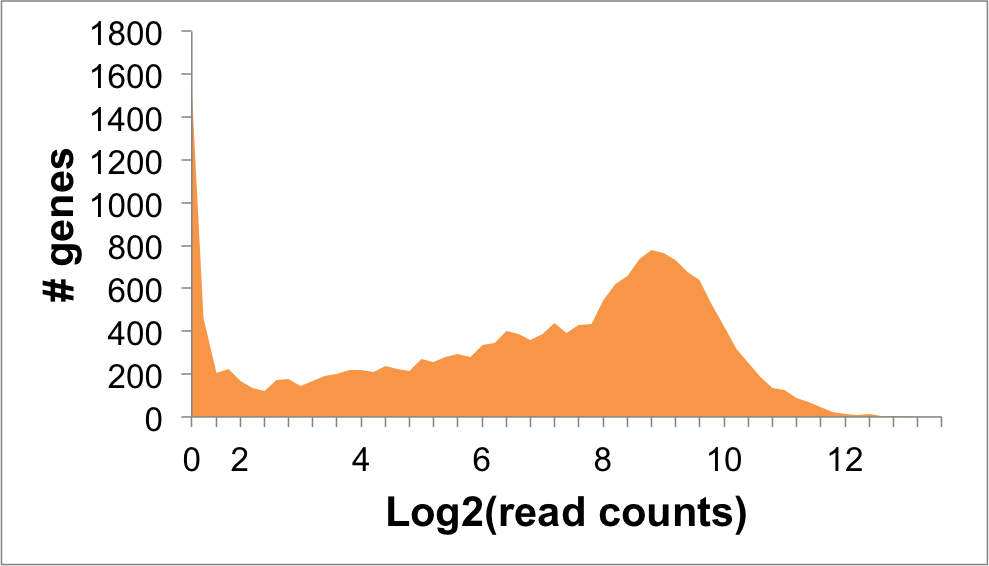
- Expression level (log2 read counts): 6.11
Expression Distribution
TGFB1 Expression in NALM6 Cells: 6.11