BCL10
Gene Information
- Official Symbol: BCL10
- Official Name: BCL10 immune signaling adaptor
- Aliases and Previous Symbols: N/A
- Entrez ID: 8915
- UniProt: O95999
- Interactions: BioGRID
- PubMed articles: Open PubMed
- OMIM: Open OMIM
Function Summary
- Entrez Summary: This gene was identified by its translocation in a case of mucosa-associated lymphoid tissue (MALT) lymphoma. The protein encoded by this gene contains a caspase recruitment domain (CARD), and has been shown to induce apoptosis and to activate NF-kappaB. This protein is reported to interact with other CARD domain containing proteins including CARD9, 10, 11 and 14, which are thought to function as upstream regulators in NF-kappaB signaling. This protein is found to form a complex with MALT1, a protein encoded by another gene known to be translocated in MALT lymphoma. MALT1 and this protein are thought to synergize in the activation of NF-kappaB, and the deregulation of either of them may contribute to the same pathogenetic process that leads to the malignancy. Alternative splicing results in multiple transcript variants. [provided by RefSeq, Mar 2016].
- UniProt Summary: Involved in adaptive immune response (PubMed:25365219). Promotes apoptosis, pro-caspase-9 maturation and activation of NF- kappa-B via NIK and IKK. May be an adapter protein between upstream TNFR1-TRADD-RIP complex and the downstream NIK-IKK-IKAP complex. Is a substrate for MALT1 (PubMed:18264101). {ECO:0000269|PubMed:18264101, ECO:0000269|PubMed:25365219}.
Pfam Domains GO Terms
Pfam Domains
| CARD |
GO Terms
| interleukin-6 biosynthetic process |
| lymphotoxin A production |
| lymphotoxin A biosynthetic process |
| positive regulation of mast cell cytokine production |
| regulation of mature B cell apoptotic process |
| CBM complex |
| negative regulation of mature B cell apoptotic process |
| regulation of mast cell cytokine production |
| kinase activator activity |
| B cell apoptotic process |
| tumor necrosis factor superfamily cytokine production |
| negative regulation of B cell apoptotic process |
| interleukin-6 production |
| protein kinase B binding |
| positive regulation of interleukin-8 biosynthetic process |
| cytokine biosynthetic process |
| T cell apoptotic process |
| cytokine metabolic process |
| regulation of interleukin-8 biosynthetic process |
| CARD domain binding |
| regulation of B cell apoptotic process |
| lymphocyte apoptotic process |
| positive regulation of myeloid leukocyte cytokine production involved in immune response |
| response to food |
| leukocyte apoptotic process |
| negative regulation of lymphocyte apoptotic process |
| NF-kappaB binding |
| lipopolysaccharide-mediated signaling pathway |
| immunological synapse |
| regulation of T cell receptor signaling pathway |
| negative regulation of leukocyte apoptotic process |
| positive regulation of interleukin-8 production |
| response to fungus |
| positive regulation of extrinsic apoptotic signaling pathway |
| regulation of lymphocyte apoptotic process |
| cytoplasmic microtubule |
| cellular defense response |
| positive regulation of cytokine production involved in immune response |
| protein self-association |
| regulation of antigen receptor-mediated signaling pathway |
| positive regulation of cytokine biosynthetic process |
| regulation of interleukin-8 production |
| I-kappaB kinase/NF-kappaB signaling |
| cellular response to mechanical stimulus |
| regulation of leukocyte apoptotic process |
| regulation of cytokine production involved in immune response |
| neural tube closure |
| tube closure |
| kinase binding |
| positive regulation of production of molecular mediator of immune response |
| primary neural tube formation |
| toll-like receptor signaling pathway |
| protease binding |
| regulation of cytokine biosynthetic process |
| neural tube formation |
| protein heterooligomerization |
| stimulatory C-type lectin receptor signaling pathway |
| positive regulation of protein ubiquitination |
| innate immune response activating cell surface receptor signaling pathway |
| embryonic epithelial tube formation |
| pattern recognition receptor signaling pathway |
| epithelial tube formation |
| positive regulation of cysteine-type endopeptidase activity involved in apoptotic process |
| positive regulation of protein modification by small protein conjugation or removal |
| regulation of production of molecular mediator of immune response |
| morphogenesis of embryonic epithelium |
| tube formation |
| cytokine production |
| positive regulation of cysteine-type endopeptidase activity |
| positive regulation of NF-kappaB transcription factor activity |
| regulation of extrinsic apoptotic signaling pathway |
| neural tube development |
| positive regulation of endopeptidase activity |
| Fc-epsilon receptor signaling pathway |
| positive regulation of apoptotic signaling pathway |
| T cell receptor signaling pathway |
| positive regulation of I-kappaB kinase/NF-kappaB signaling |
| cellular response to lipopolysaccharide |
| protein C-terminus binding |
| positive regulation of peptidase activity |
| cellular response to molecule of bacterial origin |
| regulation of protein ubiquitination |
| positive regulation of T cell activation |
| immunoglobulin mediated immune response |
| B cell mediated immunity |
| response to mechanical stimulus |
| cellular response to biotic stimulus |
| regulation of cysteine-type endopeptidase activity involved in apoptotic process |
| positive regulation of leukocyte cell-cell adhesion |
| positive regulation of immune effector process |
| membrane raft |
| regulation of protein modification by small protein conjugation or removal |
| innate immune response-activating signal transduction |
| regulation of I-kappaB kinase/NF-kappaB signaling |
| Fc receptor signaling pathway |
| regulation of cysteine-type endopeptidase activity |
| lysosome |
| positive regulation of cell-cell adhesion |
| activation of innate immune response |
| positive regulation of DNA-binding transcription factor activity |
| lymphocyte mediated immunity |
| adaptive immune response based on somatic recombination of immune receptors built from immunoglobulin superfamily domains |
| transcription coactivator activity |
| ubiquitin protein ligase binding |
| antigen receptor-mediated signaling pathway |
| regulation of leukocyte cell-cell adhesion |
| epithelial tube morphogenesis |
| response to lipopolysaccharide |
| cellular response to abiotic stimulus |
| cellular response to environmental stimulus |
| regulation of T cell activation |
| response to molecule of bacterial origin |
| transcription factor binding |
| cellular response to external stimulus |
| protein homooligomerization |
| positive regulation of innate immune response |
| enzyme binding |
| positive regulation of proteolysis |
| positive regulation of lymphocyte activation |
| positive regulation of response to biotic stimulus |
| regulation of cell-cell adhesion |
| regulation of apoptotic signaling pathway |
| positive regulation of leukocyte activation |
| positive regulation of cell adhesion |
| regulation of endopeptidase activity |
| positive regulation of cell activation |
| regulation of DNA-binding transcription factor activity |
| morphogenesis of an epithelium |
| negative regulation of immune system process |
| regulation of peptidase activity |
| immune response-activating cell surface receptor signaling pathway |
| positive regulation of cytokine production |
| regulation of innate immune response |
| protein kinase binding |
| regulation of immune effector process |
| positive regulation of defense response |
| immune response-regulating cell surface receptor signaling pathway |
| response to nutrient levels |
| positive regulation of multi-organism process |
| regulation of lymphocyte activation |
| protein complex oligomerization |
| cellular response to lipid |
| regulation of response to biotic stimulus |
| response to extracellular stimulus |
| immune response-activating signal transduction |
| tissue morphogenesis |
| embryonic morphogenesis |
| positive regulation of kinase activity |
| protein-containing complex |
| immune response-regulating signaling pathway |
| regulation of leukocyte activation |
| positive regulation of response to external stimulus |
| adaptive immune response |
| activation of immune response |
| chordate embryonic development |
| regulation of cell activation |
| positive regulation of apoptotic process |
| positive regulation of programmed cell death |
| embryo development ending in birth or egg hatching |
| tube morphogenesis |
| positive regulation of transferase activity |
| regulation of cell adhesion |
| protein ubiquitination |
| response to bacterium |
| regulation of cytokine production |
| perinuclear region of cytoplasm |
| positive regulation of cell death |
| regulation of proteolysis |
| regulation of defense response |
| leukocyte mediated immunity |
| innate immune response |
| positive regulation of hydrolase activity |
| protein modification by small protein conjugation |
| regulation of multi-organism process |
| tube development |
| response to lipid |
| positive regulation of immune response |
| regulation of kinase activity |
| negative regulation of apoptotic process |
| anatomical structure formation involved in morphogenesis |
| negative regulation of programmed cell death |
| apoptotic process |
| defense response to other organism |
| embryo development |
| regulation of transferase activity |
| protein modification by small protein conjugation or removal |
| negative regulation of cell death |
| positive regulation of intracellular signal transduction |
| programmed cell death |
| cellular response to oxygen-containing compound |
| positive regulation of phosphorylation |
| identical protein binding |
| cell death |
| immune effector process |
| regulation of response to external stimulus |
| epithelium development |
| positive regulation of phosphorus metabolic process |
| positive regulation of phosphate metabolic process |
| positive regulation of immune system process |
| regulation of immune response |
| response to abiotic stimulus |
| positive regulation of protein modification process |
| regulation of hydrolase activity |
| response to other organism |
| response to external biotic stimulus |
| response to biotic stimulus |
| defense response |
| organonitrogen compound biosynthetic process |
| positive regulation of catalytic activity |
| regulation of response to stress |
| positive regulation of transcription, DNA-templated |
| regulation of apoptotic process |
| response to oxygen-containing compound |
| protein-containing complex assembly |
| regulation of programmed cell death |
| regulation of phosphorylation |
| positive regulation of cellular protein metabolic process |
| positive regulation of nucleic acid-templated transcription |
| positive regulation of RNA biosynthetic process |
| regulation of immune system process |
| positive regulation of signal transduction |
| regulation of cell death |
| intracellular signal transduction |
| positive regulation of protein metabolic process |
| positive regulation of RNA metabolic process |
| positive regulation of multicellular organismal process |
| tissue development |
| macromolecule biosynthetic process |
| positive regulation of molecular function |
| regulation of phosphate metabolic process |
| regulation of phosphorus metabolic process |
| positive regulation of cell communication |
| positive regulation of signaling |
| regulation of intracellular signal transduction |
| regulation of protein modification process |
| protein-containing complex subunit organization |
| immune response |
| positive regulation of nucleobase-containing compound metabolic process |
| positive regulation of macromolecule biosynthetic process |
| positive regulation of cellular biosynthetic process |
| positive regulation of gene expression |
| positive regulation of biosynthetic process |
CRISPR Data
Compound Hit Most Correlated Genes in Chemogenomics Tissues where Essential in the Avana Dataset (DepMap 20Q1)
Compound Hit
No hits were found.
Most Correlated Genes in Chemogenomics
No correlation found to any other genes in chemogenomics.
Tissues where Essential in the Avana Dataset (DepMap 20Q1)
Global Fraction of Cell Lines Where Essential: 0/739
| Tissue | Fraction Of Cell Lines Where Essential |
|---|---|
| 1290807.0 | 0/1 |
| 909776.0 | 0/1 |
| bile duct | 0/28 |
| blood | 0/28 |
| bone | 0/26 |
| breast | 0/33 |
| central nervous system | 0/56 |
| cervix | 0/4 |
| colorectal | 0/17 |
| esophagus | 0/13 |
| fibroblast | 0/1 |
| gastric | 0/16 |
| kidney | 0/21 |
| liver | 0/20 |
| lung | 0/75 |
| lymphocyte | 0/16 |
| ovary | 0/26 |
| pancreas | 0/24 |
| peripheral nervous system | 0/16 |
| plasma cell | 0/15 |
| prostate | 0/1 |
| skin | 0/24 |
| soft tissue | 0/9 |
| thyroid | 0/2 |
| upper aerodigestive | 0/22 |
| urinary tract | 0/29 |
| uterus | 0/5 |
Essentiality in NALM6
- Essentiality Rank: 11212
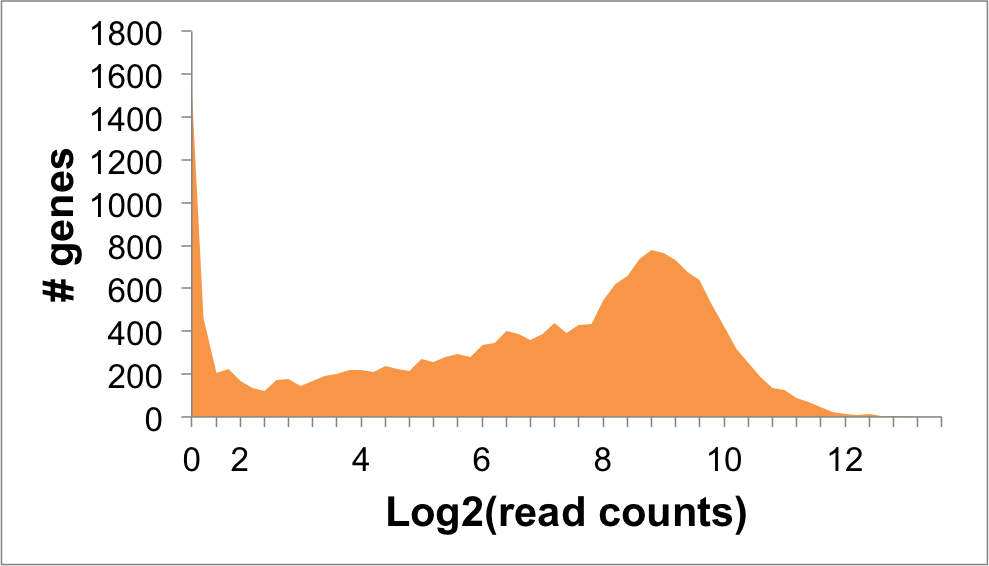
- Expression level (log2 read counts): 3.81
Expression Distribution
BCL10 Expression in NALM6 Cells: 3.81