BMPR1A
Gene Information
- Official Symbol: BMPR1A
- Official Name: bone morphogenetic protein receptor type 1A
- Aliases and Previous Symbols: N/A
- Entrez ID: 657
- UniProt: P36894
- Interactions: BioGRID
- PubMed articles: Open PubMed
- OMIM: Open OMIM
Function Summary
- Entrez Summary: The bone morphogenetic protein (BMP) receptors are a family of transmembrane serine/threonine kinases that include the type I receptors BMPR1A and BMPR1B and the type II receptor BMPR2. These receptors are also closely related to the activin receptors, ACVR1 and ACVR2. The ligands of these receptors are members of the TGF-beta superfamily. TGF-betas and activins transduce their signals through the formation of heteromeric complexes with 2 different types of serine (threonine) kinase receptors: type I receptors of about 50-55 kD and type II receptors of about 70-80 kD. Type II receptors bind ligands in the absence of type I receptors, but they require their respective type I receptors for signaling, whereas type I receptors require their respective type II receptors for ligand binding. [provided by RefSeq, Jul 2008].
- UniProt Summary: On ligand binding, forms a receptor complex consisting of two type II and two type I transmembrane serine/threonine kinases. Type II receptors phosphorylate and activate type I receptors which autophosphorylate, then bind and activate SMAD transcriptional regulators. Receptor for BMP2, BMP4, GDF5 and GDF6. Positively regulates chondrocyte differentiation through GDF5 interaction. Mediates induction of adipogenesis by GDF6. {ECO:0000250|UniProtKB:P36895}.
Pfam Domains GO Terms
Pfam Domains
| Pkinase Tyr |
| Activin recp |
| Pkinase |
| TGF beta GS |
GO Terms
| paraxial mesoderm structural organization |
| regulation of cardiac ventricle development |
| positive regulation of cardiac ventricle development |
| mesoderm structural organization |
| fibrous ring of heart morphogenesis |
| neural plate mediolateral regionalization |
| regulation of lateral mesodermal cell fate specification |
| neural plate regionalization |
| Mullerian duct regression |
| regulation of neural crest cell differentiation |
| tricuspid valve morphogenesis |
| neural plate pattern specification |
| tricuspid valve development |
| BMP signaling pathway involved in heart development |
| regulation of mesodermal cell differentiation |
| regulation of mesoderm formation |
| transforming growth factor beta receptor activity, type I |
| BMP receptor activity |
| regulation of mesodermal cell fate specification |
| transmembrane receptor protein serine/threonine kinase activity |
| ventricular compact myocardium morphogenesis |
| pharyngeal arch artery morphogenesis |
| dorsal aorta morphogenesis |
| HFE-transferrin receptor complex |
| dorsal aorta development |
| mitral valve morphogenesis |
| anatomical structure regression |
| paraxial mesoderm morphogenesis |
| mesendoderm development |
| dorsal/ventral axis specification |
| mitral valve development |
| cardiac conduction system development |
| regulation of cell fate specification |
| positive regulation of SMAD protein signal transduction |
| lateral mesoderm development |
| heart formation |
| regulation of transcription from RNA polymerase II promoter involved in heart development |
| transforming growth factor beta-activated receptor activity |
| ventricular trabecula myocardium morphogenesis |
| anatomical structure arrangement |
| regulation of mesoderm development |
| paraxial mesoderm development |
| endocardial cushion formation |
| cardiac right ventricle morphogenesis |
| ectoderm development |
| negative regulation of smooth muscle cell migration |
| regulation of SMAD protein signal transduction |
| cell surface receptor signaling pathway involved in heart development |
| atrioventricular valve morphogenesis |
| positive regulation of cardiac muscle cell proliferation |
| positive regulation of mesenchymal cell proliferation |
| pharyngeal system development |
| atrioventricular valve development |
| outflow tract septum morphogenesis |
| aorta morphogenesis |
| regulation of cell fate commitment |
| positive regulation of pri-miRNA transcription by RNA polymerase II |
| heart trabecula morphogenesis |
| growth factor binding |
| regulation of mesenchymal cell proliferation |
| positive regulation of vascular smooth muscle cell proliferation |
| positive regulation of cardiac muscle tissue growth |
| animal organ formation |
| endocardial cushion morphogenesis |
| hindlimb morphogenesis |
| positive regulation of heart growth |
| regulation of gastrulation |
| regulation of cardiac muscle cell apoptotic process |
| regulation of striated muscle cell apoptotic process |
| positive regulation of bone mineralization |
| regulation of cardiac muscle cell proliferation |
| regulation of cellular senescence |
| pituitary gland development |
| regulation of pri-miRNA transcription by RNA polymerase II |
| endocardial cushion development |
| positive regulation of cardiac muscle tissue development |
| trabecula morphogenesis |
| positive regulation of biomineralization |
| positive regulation of biomineral tissue development |
| ventricular cardiac muscle tissue morphogenesis |
| positive regulation of pathway-restricted SMAD protein phosphorylation |
| positive regulation of organ growth |
| regulation of cell aging |
| mesenchyme morphogenesis |
| regulation of vascular smooth muscle cell proliferation |
| aorta development |
| SMAD binding |
| heart valve morphogenesis |
| ventricular cardiac muscle tissue development |
| regulation of cardiac muscle tissue growth |
| positive regulation of osteoblast differentiation |
| regulation of smooth muscle cell migration |
| artery morphogenesis |
| heart valve development |
| regulation of pathway-restricted SMAD protein phosphorylation |
| embryonic digit morphogenesis |
| regulation of heart growth |
| somitogenesis |
| mesoderm formation |
| regulation of muscle cell apoptotic process |
| cardiac muscle tissue morphogenesis |
| positive regulation of striated muscle tissue development |
| mesoderm morphogenesis |
| positive regulation of muscle organ development |
| positive regulation of muscle tissue development |
| cardiac ventricle morphogenesis |
| outflow tract morphogenesis |
| endoderm development |
| cardiac septum morphogenesis |
| regulation of bone mineralization |
| caveola |
| diencephalon development |
| neural crest cell development |
| regulation of cardiac muscle tissue development |
| muscle tissue morphogenesis |
| dorsal/ventral pattern formation |
| chondrocyte differentiation |
| odontogenesis of dentin-containing tooth |
| somite development |
| mesenchymal cell development |
| stem cell development |
| positive regulation of ossification |
| positive regulation of smooth muscle cell proliferation |
| artery development |
| axis specification |
| muscle organ morphogenesis |
| neural crest cell differentiation |
| roof of mouth development |
| BMP signaling pathway |
| regulation of biomineralization |
| regulation of biomineral tissue development |
| regulation of organ growth |
| segmentation |
| transforming growth factor beta receptor signaling pathway |
| positive regulation of transmembrane receptor protein serine/threonine kinase signaling pathway |
| cellular response to BMP stimulus |
| response to BMP |
| cardiac septum development |
| formation of primary germ layer |
| regulation of osteoblast differentiation |
| regulation of stem cell differentiation |
| odontogenesis |
| endocrine system development |
| mesoderm development |
| embryonic limb morphogenesis |
| embryonic appendage morphogenesis |
| cardiac chamber morphogenesis |
| cardiac ventricle development |
| regulation of embryonic development |
| regulation of striated muscle tissue development |
| regulation of smooth muscle cell proliferation |
| regulation of muscle tissue development |
| stem cell population maintenance |
| regulation of muscle organ development |
| maintenance of cell number |
| appendage morphogenesis |
| limb morphogenesis |
| cellular response to transforming growth factor beta stimulus |
| mesenchymal cell differentiation |
| male sex differentiation |
| stem cell differentiation |
| gastrulation |
| response to transforming growth factor beta |
| cardiac muscle tissue development |
| lung development |
| cardiac chamber development |
| positive regulation of developmental growth |
| cartilage development |
| respiratory tube development |
| appendage development |
| limb development |
| positive regulation of epithelial cell proliferation |
| regulation of ossification |
| respiratory system development |
| transmembrane receptor protein serine/threonine kinase signaling pathway |
| receptor complex |
| anterior/posterior pattern specification |
| mesenchyme development |
| connective tissue development |
| regulation of transmembrane receptor protein serine/threonine kinase signaling pathway |
| heart morphogenesis |
| regulation of animal organ morphogenesis |
| negative regulation of cell migration |
| positive regulation of growth |
| sex differentiation |
| negative regulation of cell motility |
| striated muscle tissue development |
| negative regulation of neurogenesis |
| muscle organ development |
| muscle tissue development |
| negative regulation of cellular component movement |
| negative regulation of nervous system development |
| negative regulation of locomotion |
| regulation of developmental growth |
| regionalization |
| regulation of epithelial cell proliferation |
| negative regulation of cell development |
| protein serine/threonine kinase activity |
| neuronal cell body |
| in utero embryonic development |
| forebrain development |
| developmental growth |
| growth |
| external side of plasma membrane |
| blood vessel morphogenesis |
| gland development |
| dendrite |
| embryonic organ development |
| pattern specification process |
| muscle structure development |
| blood vessel development |
| skeletal system development |
| cellular response to growth factor stimulus |
| vasculature development |
| cardiovascular system development |
| heart development |
| response to growth factor |
| tissue morphogenesis |
| embryonic morphogenesis |
| chordate embryonic development |
| embryo development ending in birth or egg hatching |
| tube morphogenesis |
| developmental process involved in reproduction |
| regulation of growth |
| negative regulation of cell differentiation |
| enzyme linked receptor protein signaling pathway |
| regulation of cellular response to stress |
| brain development |
| head development |
| regulation of neurogenesis |
| tube development |
| regulation of cell migration |
| circulatory system development |
| protein homodimerization activity |
| anatomical structure formation involved in morphogenesis |
| regulation of cell motility |
| positive regulation of cell population proliferation |
| regulation of nervous system development |
| regulation of cell development |
| negative regulation of developmental process |
| animal organ morphogenesis |
| positive regulation of cell differentiation |
| protein phosphorylation |
| embryo development |
| central nervous system development |
| regulation of locomotion |
| regulation of cellular component movement |
| positive regulation of protein phosphorylation |
| positive regulation of phosphorylation |
| regulation of anatomical structure morphogenesis |
| epithelium development |
| positive regulation of phosphate metabolic process |
| positive regulation of phosphorus metabolic process |
| negative regulation of multicellular organismal process |
| positive regulation of transcription by RNA polymerase II |
| cellular response to endogenous stimulus |
| positive regulation of protein modification process |
| phosphorylation |
| positive regulation of developmental process |
| integral component of plasma membrane |
| reproductive process |
| reproduction |
| regulation of protein phosphorylation |
| response to endogenous stimulus |
| regulation of response to stress |
| ATP binding |
| generation of neurons |
| positive regulation of transcription, DNA-templated |
| regulation of apoptotic process |
| DNA-binding transcription factor activity, RNA polymerase II-specific |
| regulation of programmed cell death |
| regulation of phosphorylation |
| positive regulation of cellular protein metabolic process |
| regulation of cell population proliferation |
| neurogenesis |
| positive regulation of nucleic acid-templated transcription |
| positive regulation of RNA biosynthetic process |
| cell development |
| positive regulation of signal transduction |
| regulation of cell death |
| positive regulation of protein metabolic process |
| positive regulation of RNA metabolic process |
| positive regulation of multicellular organismal process |
| tissue development |
| regulation of phosphate metabolic process |
| regulation of phosphorus metabolic process |
| regulation of cell differentiation |
| positive regulation of cell communication |
| positive regulation of signaling |
| regulation of protein modification process |
| immune response |
| positive regulation of nucleobase-containing compound metabolic process |
| positive regulation of macromolecule biosynthetic process |
| positive regulation of cellular biosynthetic process |
| positive regulation of gene expression |
| positive regulation of biosynthetic process |
CRISPR Data
Compound Hit Most Correlated Genes in Chemogenomics Tissues where Essential in the Avana Dataset (DepMap 20Q1)
Compound Hit
No hits were found.
Most Correlated Genes in Chemogenomics
No correlation found to any other genes in chemogenomics.
Tissues where Essential in the Avana Dataset (DepMap 20Q1)
Global Fraction of Cell Lines Where Essential: 0/739
| Tissue | Fraction Of Cell Lines Where Essential |
|---|---|
| 1290807.0 | 0/1 |
| 909776.0 | 0/1 |
| bile duct | 0/28 |
| blood | 0/28 |
| bone | 0/26 |
| breast | 0/33 |
| central nervous system | 0/56 |
| cervix | 0/4 |
| colorectal | 0/17 |
| esophagus | 0/13 |
| fibroblast | 0/1 |
| gastric | 0/16 |
| kidney | 0/21 |
| liver | 0/20 |
| lung | 0/75 |
| lymphocyte | 0/16 |
| ovary | 0/26 |
| pancreas | 0/24 |
| peripheral nervous system | 0/16 |
| plasma cell | 0/15 |
| prostate | 0/1 |
| skin | 0/24 |
| soft tissue | 0/9 |
| thyroid | 0/2 |
| upper aerodigestive | 0/22 |
| urinary tract | 0/29 |
| uterus | 0/5 |
Essentiality in NALM6
- Essentiality Rank: 18330
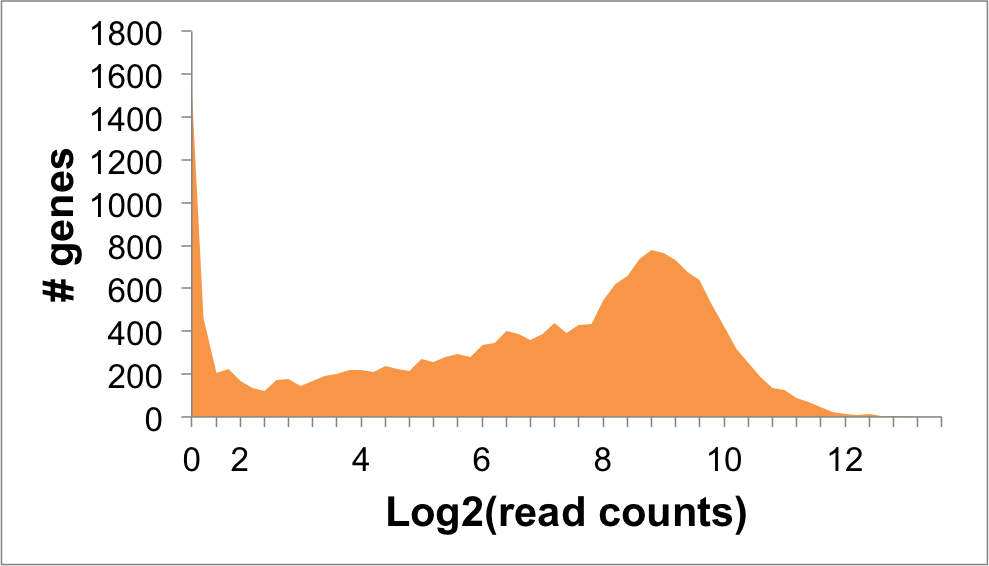
- Expression level (log2 read counts): 3.93
Expression Distribution
BMPR1A Expression in NALM6 Cells: 3.93