MECP2
Gene Information
- Official Symbol: MECP2
- Official Name: methyl-CpG binding protein 2
- Aliases and Previous Symbols: N/A
- Entrez ID: 4204
- UniProt: P51608
- Interactions: BioGRID
- PubMed articles: Open PubMed
- OMIM: Open OMIM
Function Summary
- Entrez Summary: DNA methylation is the major modification of eukaryotic genomes and plays an essential role in mammalian development. Human proteins MECP2, MBD1, MBD2, MBD3, and MBD4 comprise a family of nuclear proteins related by the presence in each of a methyl-CpG binding domain (MBD). Each of these proteins, with the exception of MBD3, is capable of binding specifically to methylated DNA. MECP2, MBD1 and MBD2 can also repress transcription from methylated gene promoters. In contrast to other MBD family members, MECP2 is X-linked and subject to X inactivation. MECP2 is dispensible in stem cells, but is essential for embryonic development. MECP2 gene mutations are the cause of most cases of Rett syndrome, a progressive neurologic developmental disorder and one of the most common causes of cognitive disability in females. Alternative splicing results in multiple transcript variants encoding different isoforms. [provided by RefSeq, Oct 2015].
- UniProt Summary: Chromosomal protein that binds to methylated DNA. It can bind specifically to a single methyl-CpG pair. It is not influenced by sequences flanking the methyl-CpGs. Mediates transcriptional repression through interaction with histone deacetylase and the corepressor SIN3A. Binds both 5-methylcytosine (5mC) and 5-hydroxymethylcytosine (5hmC)-containing DNA, with a preference for 5-methylcytosine (5mC). {ECO:0000250|UniProtKB:Q9Z2D6}.
Pfam Domains GO Terms
Pfam Domains
| MBD |
GO Terms
| pathogenesis |
| negative regulation of transcription from RNA polymerase II promoter involved in smooth muscle cell differentiation |
| catecholamine secretion |
| positive regulation of DNA methylation |
| positive regulation of histone H3-K9 trimethylation |
| positive regulation of microtubule nucleation |
| double-stranded methylated DNA binding |
| proprioception |
| regulation of microtubule nucleation |
| nervous system process involved in regulation of systemic arterial blood pressure |
| siRNA binding |
| positive regulation of histone H3-K9 methylation |
| regulation of histone H3-K9 trimethylation |
| inositol metabolic process |
| regulation of respiratory gaseous exchange by nervous system process |
| cardiolipin metabolic process |
| catecholamine transport |
| mitochondrial electron transport, ubiquinol to cytochrome c |
| glucocorticoid metabolic process |
| regulation of respiratory system process |
| negative regulation of smooth muscle cell differentiation |
| neuromuscular process controlling posture |
| regulation of gene expression by genetic imprinting |
| monoamine transport |
| regulation of respiratory gaseous exchange |
| regulation of histone H3-K9 methylation |
| genetic imprinting |
| glutamine metabolic process |
| regulation of DNA methylation |
| methyl-CpG binding |
| ventricular system development |
| heterochromatin |
| positive regulation of G2/M transition of mitotic cell cycle |
| startle response |
| positive regulation of microtubule polymerization |
| phosphatidylglycerol metabolic process |
| positive regulation of cell cycle G2/M phase transition |
| behavioral fear response |
| regulation of smooth muscle cell differentiation |
| behavioral defense response |
| smooth muscle cell differentiation |
| long-term memory |
| negative regulation of blood vessel endothelial cell migration |
| fear response |
| positive regulation of microtubule polymerization or depolymerization |
| neuron maturation |
| positive regulation of histone methylation |
| respiratory gaseous exchange by respiratory system |
| long-term synaptic potentiation |
| visual learning |
| negative regulation of endothelial cell migration |
| regulation of microtubule polymerization |
| intraspecies interaction between organisms |
| social behavior |
| visual behavior |
| negative regulation of muscle cell differentiation |
| cellular biogenic amine metabolic process |
| cellular amine metabolic process |
| chromatin organization involved in negative regulation of transcription |
| chromatin silencing |
| excitatory postsynaptic potential |
| regulation of histone methylation |
| negative regulation of epithelial cell migration |
| amine metabolic process |
| chemical synaptic transmission, postsynaptic |
| multi-organism behavior |
| multicellular organismal response to stress |
| glutamine family amino acid metabolic process |
| chromatin organization involved in regulation of transcription |
| sensory perception of pain |
| mitotic spindle organization |
| phosphatidylcholine metabolic process |
| positive regulation of mitotic cell cycle phase transition |
| adult locomotory behavior |
| associative learning |
| regulation of microtubule polymerization or depolymerization |
| negative regulation of gene expression, epigenetic |
| postsynapse |
| post-embryonic development |
| regulation of blood vessel endothelial cell migration |
| mitochondrial ATP synthesis coupled electron transport |
| positive regulation of histone modification |
| ATP synthesis coupled electron transport |
| histone methylation |
| regulation of systemic arterial blood pressure |
| synapse assembly |
| positive regulation of cell cycle phase transition |
| regulation of postsynaptic membrane potential |
| cerebellum development |
| negative regulation of angiogenesis |
| dendrite development |
| positive regulation of chromatin organization |
| microtubule cytoskeleton organization involved in mitosis |
| negative regulation of blood vessel morphogenesis |
| protein N-terminus binding |
| neuromuscular process |
| polyol metabolic process |
| metencephalon development |
| respiratory electron transport chain |
| histone acetylation |
| chromatin |
| negative regulation of vasculature development |
| oxidative phosphorylation |
| memory |
| internal peptidyl-lysine acetylation |
| peptidyl-lysine acetylation |
| internal protein amino acid acetylation |
| positive regulation of protein polymerization |
| protein methylation |
| protein alkylation |
| anatomical structure maturation |
| organic hydroxy compound transport |
| protein acetylation |
| negative regulation of neuron apoptotic process |
| adult behavior |
| learning |
| regulation of histone modification |
| positive regulation of mitotic cell cycle |
| positive regulation of synaptic transmission |
| hindbrain development |
| gene silencing |
| regulation of muscle cell differentiation |
| spindle organization |
| cell maturation |
| regulation of endothelial cell migration |
| mRNA binding |
| cellular respiration |
| cellular carbohydrate metabolic process |
| positive regulation of chromosome organization |
| transcription initiation from RNA polymerase II promoter |
| regulation of blood pressure |
| electron transport chain |
| protein acylation |
| regulation of synaptic plasticity |
| regulation of microtubule cytoskeleton organization |
| regulation of chromatin organization |
| ammonium ion metabolic process |
| positive regulation of DNA metabolic process |
| regulation of G2/M transition of mitotic cell cycle |
| locomotory behavior |
| positive regulation of supramolecular fiber organization |
| hormone metabolic process |
| ATP metabolic process |
| regulation of neuron apoptotic process |
| negative regulation of neuron death |
| alpha-amino acid metabolic process |
| regulation of cell cycle G2/M phase transition |
| DNA-templated transcription, initiation |
| regulation of epithelial cell migration |
| positive regulation of cytoskeleton organization |
| regulation of microtubule-based process |
| regulation of protein polymerization |
| energy derivation by oxidation of organic compounds |
| regulation of gene expression, epigenetic |
| developmental maturation |
| transcription corepressor activity |
| protein domain specific binding |
| muscle cell differentiation |
| DNA-binding transcription repressor activity, RNA polymerase II-specific |
| positive regulation of protein complex assembly |
| macromolecule methylation |
| learning or memory |
| negative regulation of cell migration |
| steroid metabolic process |
| synapse organization |
| negative regulation of cell motility |
| positive regulation of cell cycle process |
| regulation of angiogenesis |
| cognition |
| response to light stimulus |
| glycerophospholipid metabolic process |
| negative regulation of cellular component movement |
| cellular amino acid metabolic process |
| regulation of neuron death |
| methylation |
| peptidyl-lysine modification |
| alcohol metabolic process |
| regulation of vasculature development |
| negative regulation of locomotion |
| transcription factor binding |
| response to hypoxia |
| regulation of chromosome organization |
| regulation of supramolecular fiber organization |
| regulation of DNA metabolic process |
| response to decreased oxygen levels |
| histone modification |
| covalent chromatin modification |
| phospholipid metabolic process |
| positive regulation of cell cycle |
| glycerolipid metabolic process |
| response to oxygen levels |
| blood circulation |
| circulatory system process |
| regulation of mitotic cell cycle phase transition |
| chemical synaptic transmission |
| anterograde trans-synaptic signaling |
| generation of precursor metabolites and energy |
| cell surface receptor signaling pathway involved in cell-cell signaling |
| regulation of membrane potential |
| trans-synaptic signaling |
| response to radiation |
| modulation of chemical synaptic transmission |
| regulation of trans-synaptic signaling |
| regulation of cell cycle phase transition |
| regulation of protein complex assembly |
| organic hydroxy compound metabolic process |
| synaptic signaling |
| carbohydrate metabolic process |
| microtubule cytoskeleton organization |
| muscle structure development |
| transcription by RNA polymerase II |
| centrosome |
| positive regulation of cellular component biogenesis |
| regulation of hormone levels |
| regulation of cytoskeleton organization |
| behavior |
| regulation of system process |
| mitotic cell cycle process |
| positive regulation of organelle organization |
| regulation of mitotic cell cycle |
| transcription, DNA-templated |
| nucleic acid-templated transcription |
| RNA biosynthetic process |
| neuron projection development |
| microtubule-based process |
| mitotic cell cycle |
| chromatin organization |
| negative regulation of cell differentiation |
| brain development |
| regulation of cell cycle process |
| head development |
| neuron development |
| interspecies interaction between organisms |
| regulation of cell migration |
| negative regulation of transcription by RNA polymerase II |
| peptidyl-amino acid modification |
| organophosphate metabolic process |
| negative regulation of apoptotic process |
| negative regulation of programmed cell death |
| carboxylic acid metabolic process |
| regulation of cell motility |
| positive regulation of cell population proliferation |
| negative regulation of developmental process |
| cellular lipid metabolic process |
| regulation of cellular component biogenesis |
| oxidation-reduction process |
| sensory perception |
| central nervous system development |
| regulation of locomotion |
| regulation of cellular component movement |
| negative regulation of cell death |
| cell cycle process |
| oxoacid metabolic process |
| secretion by cell |
| neuron differentiation |
| organic acid metabolic process |
| export from cell |
| regulation of anatomical structure morphogenesis |
| chromosome organization |
| nucleobase-containing compound biosynthetic process |
| cytoskeleton organization |
| cell-cell signaling |
| secretion |
| plasma membrane bounded cell projection organization |
| response to abiotic stimulus |
| cell projection organization |
| heterocycle biosynthetic process |
| aromatic compound biosynthetic process |
| regulation of cell cycle |
| negative regulation of transcription, DNA-templated |
| negative regulation of multicellular organismal process |
| positive regulation of cellular component organization |
| lipid metabolic process |
| positive regulation of protein modification process |
| negative regulation of nucleic acid-templated transcription |
| negative regulation of RNA biosynthetic process |
| mitochondrion |
| phosphorylation |
| regulation of organelle organization |
| organic cyclic compound biosynthetic process |
| negative regulation of RNA metabolic process |
| cell cycle |
| defense response |
| nervous system process |
| negative regulation of cellular macromolecule biosynthetic process |
| RNA binding |
| negative regulation of nucleobase-containing compound metabolic process |
| DNA binding |
| negative regulation of macromolecule biosynthetic process |
| negative regulation of cellular biosynthetic process |
| generation of neurons |
| regulation of apoptotic process |
| positive regulation of transcription, DNA-templated |
| negative regulation of biosynthetic process |
| regulation of programmed cell death |
| extracellular space |
| positive regulation of cellular protein metabolic process |
| regulation of cell population proliferation |
| neurogenesis |
| cellular nitrogen compound biosynthetic process |
| positive regulation of nucleic acid-templated transcription |
| positive regulation of RNA biosynthetic process |
| cell development |
| RNA metabolic process |
| regulation of cell death |
| positive regulation of protein metabolic process |
| cellular macromolecule biosynthetic process |
| negative regulation of gene expression |
| positive regulation of RNA metabolic process |
| small molecule metabolic process |
| macromolecule biosynthetic process |
| regulation of cell differentiation |
| positive regulation of cell communication |
| positive regulation of signaling |
| regulation of protein modification process |
| nitrogen compound transport |
| positive regulation of nucleobase-containing compound metabolic process |
| positive regulation of macromolecule biosynthetic process |
| system process |
| positive regulation of cellular biosynthetic process |
| positive regulation of gene expression |
| gene expression |
| positive regulation of biosynthetic process |
CRISPR Data
Compound Hit Most Correlated Genes in Chemogenomics Tissues where Essential in the Avana Dataset (DepMap 20Q1)
Compound Hit
No hits were found.
Most Correlated Genes in Chemogenomics
No correlation found to any other genes in chemogenomics.
Tissues where Essential in the Avana Dataset (DepMap 20Q1)
Global Fraction of Cell Lines Where Essential: 0/683
| Tissue | Fraction Of Cell Lines Where Essential |
|---|---|
| 1290807.0 | 0/1 |
| 909776.0 | 0/1 |
| bile duct | 0/28 |
| blood | 0/26 |
| bone | 0/25 |
| breast | 0/30 |
| central nervous system | 0/49 |
| cervix | 0/4 |
| colorectal | 0/17 |
| esophagus | 0/11 |
| fibroblast | 0/1 |
| gastric | 0/14 |
| kidney | 0/18 |
| liver | 0/19 |
| lung | 0/72 |
| lymphocyte | 0/14 |
| ovary | 0/25 |
| pancreas | 0/22 |
| peripheral nervous system | 0/15 |
| plasma cell | 0/12 |
| prostate | 0/1 |
| skin | 0/20 |
| soft tissue | 0/7 |
| thyroid | 0/2 |
| upper aerodigestive | 0/22 |
| urinary tract | 0/28 |
| uterus | 0/5 |
Essentiality in NALM6
- Essentiality Rank: 19007
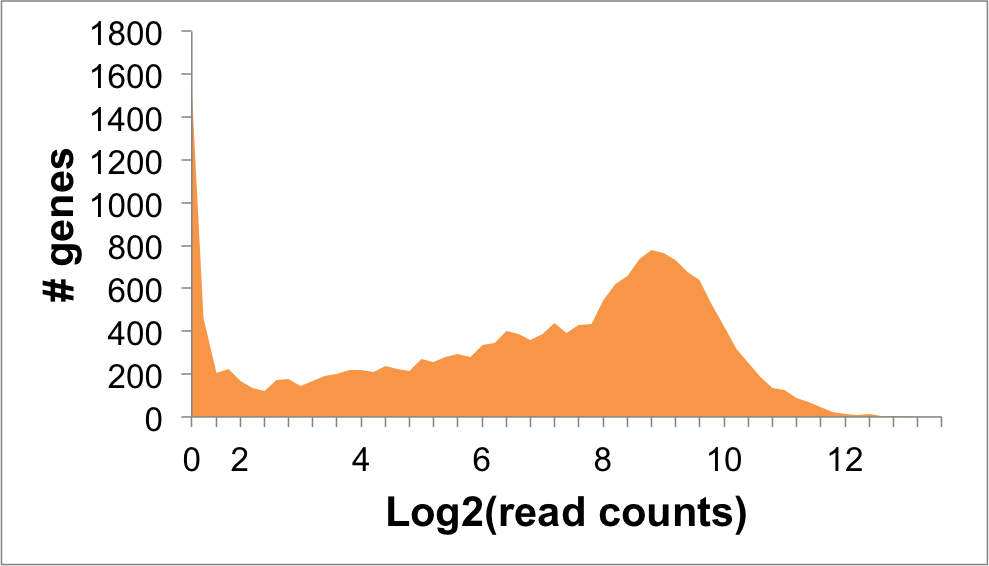
- Expression level (log2 read counts): 6.43
Expression Distribution
MECP2 Expression in NALM6 Cells: 6.43