NLRP3
Gene Information
- Official Symbol: NLRP3
- Official Name: NLR family pyrin domain containing 3
- Aliases and Previous Symbols: N/A
- Entrez ID: 114548
- UniProt: Q96P20
- Interactions: BioGRID
- PubMed articles: Open PubMed
- OMIM: Open OMIM
Function Summary
- Entrez Summary: This gene encodes a pyrin-like protein containing a pyrin domain, a nucleotide-binding site (NBS) domain, and a leucine-rich repeat (LRR) motif. This protein interacts with the apoptosis-associated speck-like protein PYCARD/ASC, which contains a caspase recruitment domain, and is a member of the NALP3 inflammasome complex. This complex functions as an upstream activator of NF-kappaB signaling, and it plays a role in the regulation of inflammation, the immune response, and apoptosis. Mutations in this gene are associated with familial cold autoinflammatory syndrome (FCAS), Muckle-Wells syndrome (MWS), chronic infantile neurological cutaneous and articular (CINCA) syndrome, and neonatal-onset multisystem inflammatory disease (NOMID). Multiple alternatively spliced transcript variants encoding distinct isoforms have been identified for this gene. Alternative 5' UTR structures are suggested by available data; however, insufficient evidence is available to determine if all of the represented 5' UTR splice patterns are biologically valid. [provided by RefSeq, Oct 2008].
- UniProt Summary: N/A
Pfam Domains GO Terms
Pfam Domains
| PAAD DAPIN |
| NACHT |
GO Terms
| NLRP3 inflammasome complex assembly |
| interleukin-18 production |
| cytokine secretion involved in immune response |
| cellular response to peptidoglycan |
| positive regulation of T-helper 2 cell cytokine production |
| NLRP3 inflammasome complex |
| positive regulation of T-helper 2 cell differentiation |
| positive regulation of T-helper 17 cell differentiation |
| positive regulation of T-helper 17 type immune response |
| response to peptidoglycan |
| interleukin-1 secretion |
| regulation of T-helper 2 cell cytokine production |
| regulation of T-helper 2 cell differentiation |
| negative regulation of acute inflammatory response |
| positive regulation of interleukin-5 production |
| interleukin-1 beta production |
| positive regulation of interleukin-13 production |
| negative regulation of interleukin-1 beta secretion |
| interleukin-1 production |
| positive regulation of type 2 immune response |
| regulation of T-helper 17 cell differentiation |
| peptidoglycan binding |
| negative regulation of interleukin-1 secretion |
| positive regulation of T cell cytokine production |
| regulation of T-helper 17 type immune response |
| positive regulation of T-helper cell differentiation |
| regulation of interleukin-5 production |
| regulation of interleukin-13 production |
| cytokine production involved in immune response |
| negative regulation of NIK/NF-kappaB signaling |
| detection of biotic stimulus |
| positive regulation of interleukin-4 production |
| negative regulation of interleukin-1 beta production |
| regulation of interleukin-4 production |
| positive regulation of CD4-positive, alpha-beta T cell differentiation |
| regulation of type 2 immune response |
| regulation of T cell cytokine production |
| negative regulation of interleukin-1 production |
| positive regulation of interleukin-1 beta secretion |
| positive regulation of CD4-positive, alpha-beta T cell activation |
| regulation of T-helper cell differentiation |
| positive regulation of interleukin-1 secretion |
| regulation of acute inflammatory response |
| regulation of CD4-positive, alpha-beta T cell differentiation |
| positive regulation of alpha-beta T cell differentiation |
| regulation of interleukin-1 beta secretion |
| cytokine secretion |
| positive regulation of T cell mediated immunity |
| positive regulation of interleukin-1 beta production |
| positive regulation of cytokine production involved in immune response |
| regulation of interleukin-1 secretion |
| positive regulation of interleukin-1 production |
| regulation of CD4-positive, alpha-beta T cell activation |
| positive regulation of alpha-beta T cell activation |
| regulation of alpha-beta T cell differentiation |
| negative regulation of cytokine secretion |
| regulation of T cell mediated immunity |
| regulation of interleukin-1 beta production |
| positive regulation of T cell differentiation |
| negative regulation of NF-kappaB transcription factor activity |
| regulation of cytokine production involved in immune response |
| activation of cysteine-type endopeptidase activity involved in apoptotic process |
| regulation of alpha-beta T cell activation |
| defense response to Gram-positive bacterium |
| positive regulation of lymphocyte differentiation |
| regulation of interleukin-1 production |
| positive regulation of production of molecular mediator of immune response |
| positive regulation of adaptive immune response based on somatic recombination of immune receptors built from immunoglobulin superfamily domains |
| positive regulation of lymphocyte mediated immunity |
| positive regulation of adaptive immune response |
| regulation of NIK/NF-kappaB signaling |
| negative regulation of protein secretion |
| positive regulation of cysteine-type endopeptidase activity involved in apoptotic process |
| positive regulation of leukocyte mediated immunity |
| negative regulation of inflammatory response |
| regulation of T cell differentiation |
| negative regulation of peptide secretion |
| positive regulation of cytokine secretion |
| regulation of production of molecular mediator of immune response |
| regulation of adaptive immune response based on somatic recombination of immune receptors built from immunoglobulin superfamily domains |
| positive regulation of leukocyte differentiation |
| cytokine production |
| regulation of lymphocyte mediated immunity |
| positive regulation of cysteine-type endopeptidase activity |
| positive regulation of NF-kappaB transcription factor activity |
| protein secretion |
| establishment of protein localization to extracellular region |
| negative regulation of DNA-binding transcription factor activity |
| regulation of adaptive immune response |
| protein localization to extracellular region |
| regulation of lymphocyte differentiation |
| positive regulation of endopeptidase activity |
| peptide secretion |
| production of molecular mediator of immune response |
| negative regulation of protein transport |
| cellular response to lipopolysaccharide |
| negative regulation of establishment of protein localization |
| positive regulation of hemopoiesis |
| defense response to virus |
| positive regulation of peptidase activity |
| cellular response to molecule of bacterial origin |
| positive regulation of T cell activation |
| negative regulation of secretion by cell |
| regulation of cytokine secretion |
| regulation of leukocyte mediated immunity |
| negative regulation of defense response |
| cellular response to biotic stimulus |
| regulation of cysteine-type endopeptidase activity involved in apoptotic process |
| positive regulation of leukocyte cell-cell adhesion |
| positive regulation of immune effector process |
| negative regulation of secretion |
| regulation of cysteine-type endopeptidase activity |
| positive regulation of cell-cell adhesion |
| positive regulation of DNA-binding transcription factor activity |
| positive regulation of protein secretion |
| regulation of leukocyte differentiation |
| negative regulation of cytokine production |
| response to virus |
| protein deubiquitination |
| positive regulation of peptide secretion |
| regulation of leukocyte cell-cell adhesion |
| protein modification by small protein removal |
| response to lipopolysaccharide |
| regulation of T cell activation |
| response to molecule of bacterial origin |
| defense response to bacterium |
| transcription factor binding |
| regulation of inflammatory response |
| positive regulation of proteolysis |
| positive regulation of lymphocyte activation |
| negative regulation of response to external stimulus |
| regulation of cell-cell adhesion |
| positive regulation of secretion by cell |
| positive regulation of leukocyte activation |
| positive regulation of cell adhesion |
| positive regulation of cell activation |
| regulation of endopeptidase activity |
| sequence-specific DNA binding |
| positive regulation of protein transport |
| regulation of DNA-binding transcription factor activity |
| positive regulation of secretion |
| regulation of peptidase activity |
| positive regulation of cytokine production |
| regulation of hemopoiesis |
| positive regulation of establishment of protein localization |
| regulation of protein secretion |
| regulation of immune effector process |
| negative regulation of transport |
| regulation of peptide secretion |
| inflammatory response |
| negative regulation of intracellular signal transduction |
| regulation of lymphocyte activation |
| protein complex oligomerization |
| cellular response to lipid |
| cellular response to organonitrogen compound |
| regulation of leukocyte activation |
| Golgi membrane |
| regulation of cell activation |
| positive regulation of apoptotic process |
| positive regulation of programmed cell death |
| cellular response to nitrogen compound |
| regulation of cell adhesion |
| response to bacterium |
| detection of stimulus |
| regulation of cytokine production |
| positive regulation of cell death |
| regulation of protein transport |
| regulation of proteolysis |
| regulation of peptide transport |
| regulation of establishment of protein localization |
| regulation of secretion by cell |
| regulation of defense response |
| innate immune response |
| positive regulation of hydrolase activity |
| regulation of secretion |
| cellular protein-containing complex assembly |
| response to lipid |
| positive regulation of immune response |
| apoptotic process |
| defense response to other organism |
| positive regulation of cell differentiation |
| protein modification by small protein conjugation or removal |
| positive regulation of transport |
| response to organonitrogen compound |
| secretion by cell |
| endoplasmic reticulum |
| regulation of protein localization |
| export from cell |
| programmed cell death |
| cellular response to oxygen-containing compound |
| identical protein binding |
| response to nitrogen compound |
| cell death |
| immune effector process |
| regulation of response to external stimulus |
| secretion |
| negative regulation of molecular function |
| positive regulation of immune system process |
| regulation of immune response |
| negative regulation of multicellular organismal process |
| positive regulation of transcription by RNA polymerase II |
| cellular response to endogenous stimulus |
| negative regulation of signal transduction |
| proteolysis |
| regulation of hydrolase activity |
| response to other organism |
| response to external biotic stimulus |
| response to biotic stimulus |
| defense response |
| negative regulation of cell communication |
| negative regulation of signaling |
| positive regulation of developmental process |
| positive regulation of catalytic activity |
| response to endogenous stimulus |
| regulation of response to stress |
| ATP binding |
| protein transport |
| peptide transport |
| positive regulation of transcription, DNA-templated |
| regulation of apoptotic process |
| response to oxygen-containing compound |
| protein-containing complex assembly |
| regulation of programmed cell death |
| amide transport |
| positive regulation of cellular protein metabolic process |
| establishment of protein localization |
| negative regulation of response to stimulus |
| positive regulation of nucleic acid-templated transcription |
| positive regulation of RNA biosynthetic process |
| regulation of immune system process |
| regulation of cell death |
| positive regulation of protein metabolic process |
| positive regulation of RNA metabolic process |
| positive regulation of multicellular organismal process |
| positive regulation of molecular function |
| regulation of cell differentiation |
| regulation of intracellular signal transduction |
| nitrogen compound transport |
| protein-containing complex subunit organization |
| regulation of transport |
| immune response |
| positive regulation of nucleobase-containing compound metabolic process |
| positive regulation of macromolecule biosynthetic process |
| extracellular region |
| positive regulation of cellular biosynthetic process |
| positive regulation of gene expression |
| positive regulation of biosynthetic process |
CRISPR Data
Compound Hit Most Correlated Genes in Chemogenomics Tissues where Essential in the Avana Dataset (DepMap 20Q1)
Compound Hit
No hits were found.
Most Correlated Genes in Chemogenomics
No correlation found to any other genes in chemogenomics.
Tissues where Essential in the Avana Dataset (DepMap 20Q1)
Global Fraction of Cell Lines Where Essential: 0/739
| Tissue | Fraction Of Cell Lines Where Essential |
|---|---|
| 1290807.0 | 0/1 |
| 909776.0 | 0/1 |
| bile duct | 0/28 |
| blood | 0/28 |
| bone | 0/26 |
| breast | 0/33 |
| central nervous system | 0/56 |
| cervix | 0/4 |
| colorectal | 0/17 |
| esophagus | 0/13 |
| fibroblast | 0/1 |
| gastric | 0/16 |
| kidney | 0/21 |
| liver | 0/20 |
| lung | 0/75 |
| lymphocyte | 0/16 |
| ovary | 0/26 |
| pancreas | 0/24 |
| peripheral nervous system | 0/16 |
| plasma cell | 0/15 |
| prostate | 0/1 |
| skin | 0/24 |
| soft tissue | 0/9 |
| thyroid | 0/2 |
| upper aerodigestive | 0/22 |
| urinary tract | 0/29 |
| uterus | 0/5 |
Essentiality in NALM6
- Essentiality Rank: 11069
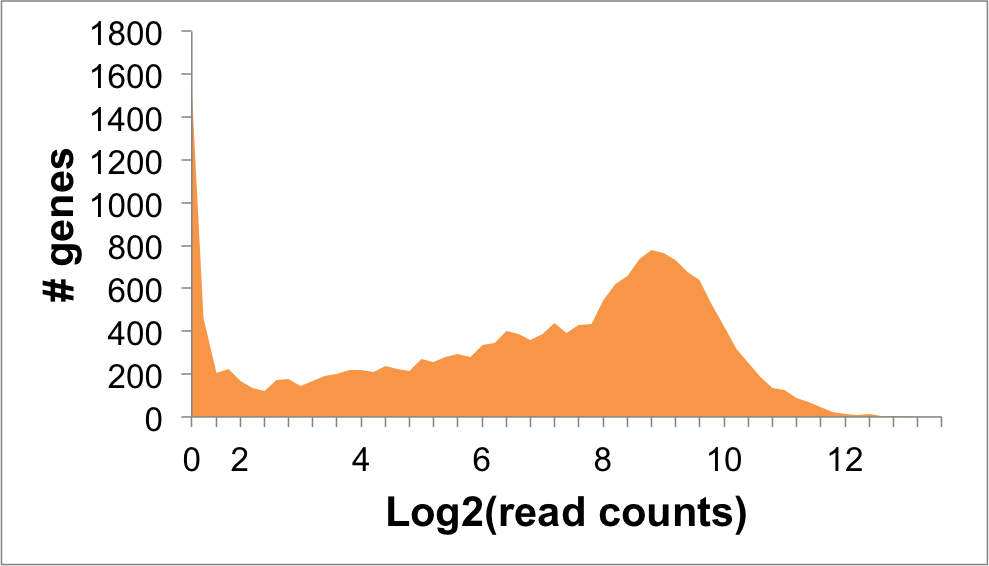
- Expression level (log2 read counts): 1.67
Expression Distribution
NLRP3 Expression in NALM6 Cells: 1.67