NOX4
Gene Information
- Official Symbol: NOX4
- Official Name: N/ADPH oxidase 4
- Aliases and Previous Symbols: N/A
- Entrez ID: 50507
- UniProt: Q9NPH5
- Interactions: BioGRID
- PubMed articles: Open PubMed
- OMIM: Open OMIM
Function Summary
- Entrez Summary: N/A
- UniProt Summary: N/A
Pfam Domains GO Terms
Pfam Domains
| FAD binding 8 |
| NAD binding 6 |
| Ferric reduct |
GO Terms
| oxygen sensor activity |
| modified amino acid binding |
| NAD(P)H oxidase activity |
| superoxide-generating NADPH oxidase activity |
| homocysteine metabolic process |
| NADPH oxidase complex |
| superoxide anion generation |
| perinuclear endoplasmic reticulum |
| bone resorption |
| reactive oxygen species biosynthetic process |
| protein tyrosine kinase binding |
| cellular response to gamma radiation |
| positive regulation of smooth muscle cell migration |
| superoxide metabolic process |
| sulfur amino acid metabolic process |
| bone remodeling |
| positive regulation of stress fiber assembly |
| cellular response to cAMP |
| positive regulation of protein tyrosine kinase activity |
| response to gamma radiation |
| flavin adenine dinucleotide binding |
| regulation of smooth muscle cell migration |
| positive regulation of actin filament bundle assembly |
| nucleotide binding |
| cell aging |
| positive regulation of DNA biosynthetic process |
| stress fiber |
| cellular response to ionizing radiation |
| cellular response to glucose stimulus |
| cellular response to hexose stimulus |
| cellular response to monosaccharide stimulus |
| electron transfer activity |
| regulation of stress fiber assembly |
| cellular response to carbohydrate stimulus |
| cellular glucose homeostasis |
| cardiac muscle cell differentiation |
| regulation of protein tyrosine kinase activity |
| regulation of actomyosin structure organization |
| regulation of actin filament bundle assembly |
| positive regulation of reactive oxygen species metabolic process |
| response to cAMP |
| heart process |
| tissue remodeling |
| reactive oxygen species metabolic process |
| regulation of DNA biosynthetic process |
| cardiocyte differentiation |
| response to organophosphorus |
| response to glucose |
| heme binding |
| response to hexose |
| response to monosaccharide |
| response to ionizing radiation |
| response to purine-containing compound |
| cellular response to transforming growth factor beta stimulus |
| response to transforming growth factor beta |
| cardiac muscle tissue development |
| positive regulation of protein kinase B signaling |
| response to carbohydrate |
| cellular response to radiation |
| regulation of reactive oxygen species metabolic process |
| electron transport chain |
| glucose homeostasis |
| carbohydrate homeostasis |
| tissue homeostasis |
| positive regulation of peptidyl-tyrosine phosphorylation |
| positive regulation of DNA metabolic process |
| positive regulation of supramolecular fiber organization |
| striated muscle cell differentiation |
| alpha-amino acid metabolic process |
| positive regulation of ERK1 and ERK2 cascade |
| positive regulation of cytoskeleton organization |
| regulation of protein kinase B signaling |
| cellular response to oxidative stress |
| muscle cell differentiation |
| regulation of peptidyl-tyrosine phosphorylation |
| regulation of actin filament organization |
| positive regulation of MAP kinase activity |
| aging |
| striated muscle tissue development |
| regulation of ERK1 and ERK2 cascade |
| muscle tissue development |
| cellular amino acid metabolic process |
| cellular response to environmental stimulus |
| cellular response to abiotic stimulus |
| apical plasma membrane |
| multicellular organismal homeostasis |
| positive regulation of protein serine/threonine kinase activity |
| anatomical structure homeostasis |
| regulation of MAP kinase activity |
| regulation of actin cytoskeleton organization |
| response to hypoxia |
| regulation of supramolecular fiber organization |
| regulation of DNA metabolic process |
| response to decreased oxygen levels |
| sulfur compound metabolic process |
| response to oxygen levels |
| response to oxidative stress |
| regulation of actin filament-based process |
| circulatory system process |
| focal adhesion |
| generation of precursor metabolites and energy |
| response to radiation |
| muscle structure development |
| inflammatory response |
| cellular response to growth factor stimulus |
| positive regulation of cell migration |
| regulation of protein serine/threonine kinase activity |
| positive regulation of cellular component biogenesis |
| positive regulation of cell motility |
| heart development |
| response to growth factor |
| positive regulation of protein kinase activity |
| positive regulation of cellular component movement |
| regulation of cytoskeleton organization |
| cellular response to organic cyclic compound |
| positive regulation of MAPK cascade |
| positive regulation of locomotion |
| positive regulation of kinase activity |
| cellular response to organonitrogen compound |
| positive regulation of organelle organization |
| positive regulation of apoptotic process |
| positive regulation of programmed cell death |
| positive regulation of transferase activity |
| cellular response to nitrogen compound |
| negative regulation of cell population proliferation |
| perinuclear region of cytoplasm |
| positive regulation of cell death |
| cell morphogenesis |
| cellular chemical homeostasis |
| regulation of MAPK cascade |
| regulation of protein kinase activity |
| cellular component morphogenesis |
| regulation of cell migration |
| nucleolus |
| circulatory system development |
| regulation of kinase activity |
| cellular homeostasis |
| carboxylic acid metabolic process |
| regulation of cell motility |
| response to organic cyclic compound |
| endoplasmic reticulum membrane |
| regulation of cellular component biogenesis |
| oxidation-reduction process |
| regulation of transferase activity |
| regulation of locomotion |
| regulation of cellular component movement |
| response to organonitrogen compound |
| oxoacid metabolic process |
| positive regulation of protein phosphorylation |
| positive regulation of intracellular signal transduction |
| organic acid metabolic process |
| cellular response to oxygen-containing compound |
| positive regulation of phosphorylation |
| response to nitrogen compound |
| chemical homeostasis |
| positive regulation of phosphorus metabolic process |
| positive regulation of phosphate metabolic process |
| response to abiotic stimulus |
| positive regulation of cellular component organization |
| cellular response to endogenous stimulus |
| positive regulation of protein modification process |
| mitochondrion |
| regulation of organelle organization |
| defense response |
| positive regulation of catalytic activity |
| regulation of protein phosphorylation |
| response to endogenous stimulus |
| regulation of apoptotic process |
| response to oxygen-containing compound |
| regulation of programmed cell death |
| regulation of phosphorylation |
| positive regulation of cellular protein metabolic process |
| regulation of cell population proliferation |
| homeostatic process |
| positive regulation of signal transduction |
| regulation of cell death |
| cellular response to stress |
| positive regulation of protein metabolic process |
| small molecule metabolic process |
| tissue development |
| positive regulation of molecular function |
| regulation of phosphate metabolic process |
| regulation of phosphorus metabolic process |
| positive regulation of cell communication |
| positive regulation of signaling |
| regulation of intracellular signal transduction |
| regulation of protein modification process |
| positive regulation of nucleobase-containing compound metabolic process |
| positive regulation of macromolecule biosynthetic process |
| system process |
| positive regulation of cellular biosynthetic process |
| gene expression |
| positive regulation of biosynthetic process |
CRISPR Data
Compound Hit Most Correlated Genes in Chemogenomics Tissues where Essential in the Avana Dataset (DepMap 20Q1)
Compound Hit
No hits were found.
Most Correlated Genes in Chemogenomics
No correlation found to any other genes in chemogenomics.
Tissues where Essential in the Avana Dataset (DepMap 20Q1)
Global Fraction of Cell Lines Where Essential: 0/739
| Tissue | Fraction Of Cell Lines Where Essential |
|---|---|
| 1290807.0 | 0/1 |
| 909776.0 | 0/1 |
| bile duct | 0/28 |
| blood | 0/28 |
| bone | 0/26 |
| breast | 0/33 |
| central nervous system | 0/56 |
| cervix | 0/4 |
| colorectal | 0/17 |
| esophagus | 0/13 |
| fibroblast | 0/1 |
| gastric | 0/16 |
| kidney | 0/21 |
| liver | 0/20 |
| lung | 0/75 |
| lymphocyte | 0/16 |
| ovary | 0/26 |
| pancreas | 0/24 |
| peripheral nervous system | 0/16 |
| plasma cell | 0/15 |
| prostate | 0/1 |
| skin | 0/24 |
| soft tissue | 0/9 |
| thyroid | 0/2 |
| upper aerodigestive | 0/22 |
| urinary tract | 0/29 |
| uterus | 0/5 |
Essentiality in NALM6
- Essentiality Rank: 16874
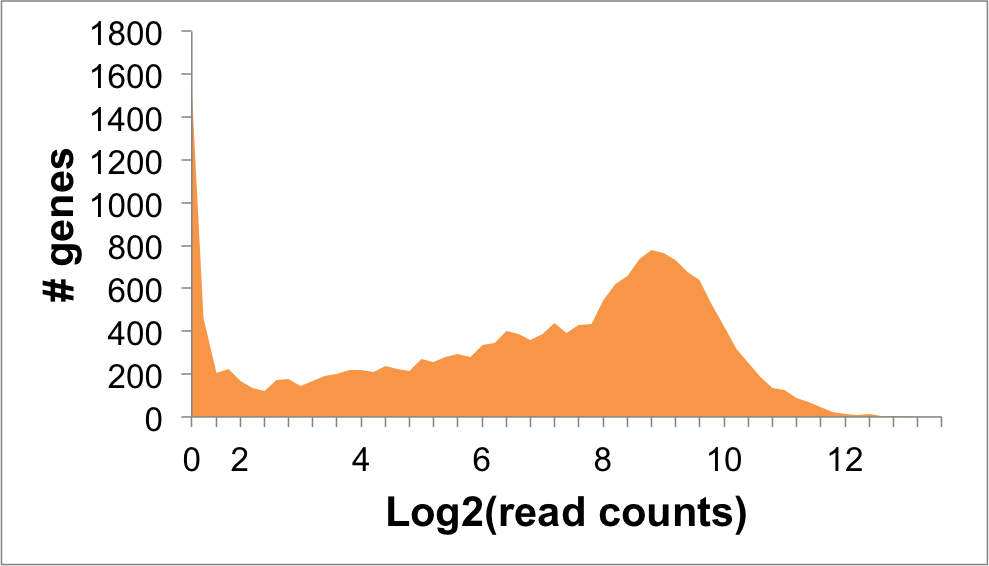
- Expression level (log2 read counts): 1.3
Expression Distribution
NOX4 Expression in NALM6 Cells: 1.3