PINK1
Gene Information
- Official Symbol: PINK1
- Official Name: PTEN induced kinase 1
- Aliases and Previous Symbols: N/A
- Entrez ID: 65018
- UniProt: Q9BXM7
- Interactions: BioGRID
- PubMed articles: Open PubMed
- OMIM: Open OMIM
Function Summary
- Entrez Summary: This gene encodes a serine/threonine protein kinase that localizes to mitochondria. It is thought to protect cells from stress-induced mitochondrial dysfunction. Mutations in this gene cause one form of autosomal recessive early-onset Parkinson disease. [provided by RefSeq, Jul 2008].
- UniProt Summary: N/A
Pfam Domains GO Terms
Pfam Domains
| Pkinase |
| Pkinase Tyr |
GO Terms
| calcium-dependent protein kinase activity |
| regulation of free ubiquitin chain polymerization |
| positive regulation of free ubiquitin chain polymerization |
| negative regulation of hydrogen peroxide-induced neuron intrinsic apoptotic signaling pathway |
| regulation of hydrogen peroxide-induced neuron intrinsic apoptotic signaling pathway |
| positive regulation of cristae formation |
| cellular response to hydrogen sulfide |
| regulation of cristae formation |
| TORC2 complex binding |
| negative regulation of mitochondrial fission |
| negative regulation of intrinsic apoptotic signaling pathway in response to hydrogen peroxide |
| response to hydrogen sulfide |
| mitochondrion to lysosome transport |
| mitochondrion-derived vesicle mediated transport |
| regulation of intrinsic apoptotic signaling pathway in response to hydrogen peroxide |
| positive regulation of mitochondrial electron transport, NADH to ubiquinone |
| regulation of mitochondrial electron transport, NADH to ubiquinone |
| regulation of hypoxia-induced intrinsic apoptotic signaling pathway |
| maintenance of protein location in mitochondrion |
| negative regulation of hypoxia-induced intrinsic apoptotic signaling pathway |
| negative regulation of hydrogen peroxide-mediated programmed cell death |
| Lewy body |
| positive regulation of mitochondrial ATP synthesis coupled electron transport |
| negative regulation of hydrogen peroxide-induced neuron death |
| negative regulation of oxidative stress-induced neuron intrinsic apoptotic signaling pathway |
| regulation of hydrogen peroxide-induced neuron death |
| positive regulation of NMDA glutamate receptor activity |
| C3HC4-type RING finger domain binding |
| TORC2 signaling |
| positive regulation of histone deacetylase activity |
| positive regulation of dopamine secretion |
| positive regulation of synaptic transmission, dopaminergic |
| astrocyte projection |
| negative regulation of cellular response to hypoxia |
| regulation of mitochondrial ATP synthesis coupled electron transport |
| regulation of synaptic vesicle transport |
| positive regulation of deacetylase activity |
| positive regulation of mitophagy in response to mitochondrial depolarization |
| peptidyl-serine autophosphorylation |
| regulation of oxidative stress-induced neuron intrinsic apoptotic signaling pathway |
| positive regulation of mitophagy |
| negative regulation of autophagy of mitochondrion |
| regulation of histone deacetylase activity |
| regulation of hydrogen peroxide-mediated programmed cell death |
| positive regulation of cellular respiration |
| positive regulation of oxidative phosphorylation |
| peptidase activator activity |
| protein kinase B binding |
| regulation of deacetylase activity |
| positive regulation of ATP biosynthetic process |
| positive regulation of autophagy of mitochondrion in response to mitochondrial depolarization |
| regulation of autophagy of mitochondrion in response to mitochondrial depolarization |
| negative regulation of autophagosome assembly |
| regulation of cellular response to hypoxia |
| positive regulation of catecholamine secretion |
| positive regulation of mitochondrial fission |
| positive regulation of glutamate receptor signaling pathway |
| negative regulation of response to reactive oxygen species |
| regulation of synaptic transmission, dopaminergic |
| negative regulation of hydrogen peroxide-induced cell death |
| regulation of mitophagy |
| positive regulation of histone deacetylation |
| regulation of ATP biosynthetic process |
| positive regulation of autophagy of mitochondrion |
| negative regulation of oxidative stress-induced intrinsic apoptotic signaling pathway |
| response to mitochondrial depolarisation |
| negative regulation of oxidative stress-induced neuron death |
| negative regulation of cellular response to drug |
| integral component of mitochondrial outer membrane |
| regulation of hydrogen peroxide metabolic process |
| positive regulation of protein deacetylation |
| regulation of hydrogen peroxide-induced cell death |
| positive regulation of nucleotide biosynthetic process |
| positive regulation of purine nucleotide biosynthetic process |
| regulation of mitochondrial fission |
| regulation of oxidative stress-induced neuron death |
| regulation of oxidative stress-induced intrinsic apoptotic signaling pathway |
| negative regulation of response to drug |
| TOR signaling |
| regulation of histone deacetylation |
| regulation of oxidative phosphorylation |
| positive regulation of release of cytochrome c from mitochondria |
| regulation of cellular respiration |
| positive regulation of response to drug |
| positive regulation of protein targeting to mitochondrion |
| positive regulation of ubiquitin-protein transferase activity |
| activation of protein kinase B activity |
| negative regulation of macroautophagy |
| regulation of response to reactive oxygen species |
| positive regulation of signaling receptor activity |
| positive regulation of amine transport |
| regulation of autophagosome assembly |
| regulation of cellular response to drug |
| negative regulation of JNK cascade |
| regulation of NMDA receptor activity |
| regulation of cofactor metabolic process |
| negative regulation of organelle assembly |
| autophagy of mitochondrion |
| maintenance of protein localization in organelle |
| mitochondrion disassembly |
| regulation of purine nucleotide biosynthetic process |
| regulation of nucleotide biosynthetic process |
| regulation of dopamine secretion |
| regulation of vacuole organization |
| regulation of autophagy of mitochondrion |
| regulation of protein deacetylation |
| regulation of protein targeting to mitochondrion |
| positive regulation of protein dephosphorylation |
| negative regulation of stress-activated protein kinase signaling cascade |
| negative regulation of cellular response to oxidative stress |
| negative regulation of oxidative stress-induced cell death |
| positive regulation of purine nucleotide metabolic process |
| positive regulation of nucleotide metabolic process |
| positive regulation of ATP metabolic process |
| negative regulation of stress-activated MAPK cascade |
| negative regulation of response to oxidative stress |
| regulation of release of cytochrome c from mitochondria |
| response to ischemia |
| regulation of ubiquitin-protein transferase activity |
| negative regulation of mitochondrion organization |
| negative regulation of reactive oxygen species metabolic process |
| positive regulation of dephosphorylation |
| positive regulation of establishment of protein localization to mitochondrion |
| regulation of catecholamine secretion |
| regulation of oxidative stress-induced cell death |
| organelle disassembly |
| regulation of glutamate receptor signaling pathway |
| positive regulation of macroautophagy |
| positive regulation of cation channel activity |
| regulation of mitochondrial membrane potential |
| establishment of protein localization to mitochondrion |
| regulation of establishment of protein localization to mitochondrion |
| cell body |
| regulation of cellular response to oxidative stress |
| maintenance of protein location in cell |
| regulation of neurotransmitter receptor activity |
| mitochondrial intermembrane space |
| protein localization to mitochondrion |
| kinase activity |
| regulation of protein targeting |
| negative regulation of autophagy |
| regulation of response to oxidative stress |
| positive regulation of histone modification |
| regulation of amine transport |
| maintenance of location in cell |
| negative regulation of intrinsic apoptotic signaling pathway |
| regulation of response to drug |
| protease binding |
| positive regulation of ion transmembrane transporter activity |
| positive regulation of chromatin organization |
| positive regulation of peptidyl-serine phosphorylation |
| lysosomal transport |
| maintenance of protein location |
| respiratory electron transport chain |
| positive regulation of transporter activity |
| chromatin |
| positive regulation of protein ubiquitination |
| positive regulation of mitochondrion organization |
| regulation of purine nucleotide metabolic process |
| regulation of nucleotide metabolic process |
| positive regulation of autophagy |
| regulation of ATP metabolic process |
| positive regulation of translation |
| positive regulation of protein polymerization |
| growth cone |
| positive regulation of protein modification by small protein conjugation or removal |
| regulation of peptidyl-serine phosphorylation |
| positive regulation of small molecule metabolic process |
| regulation of protein dephosphorylation |
| vacuolar transport |
| positive regulation of cation transmembrane transport |
| negative regulation of neuron apoptotic process |
| regulation of histone modification |
| positive regulation of cellular amide metabolic process |
| positive regulation of synaptic transmission |
| positive regulation of intracellular protein transport |
| positive regulation of ion transmembrane transport |
| regulation of generation of precursor metabolites and energy |
| regulation of intrinsic apoptotic signaling pathway |
| macroautophagy |
| mitochondrial outer membrane |
| maintenance of location |
| positive regulation of protein kinase B signaling |
| negative regulation of MAPK cascade |
| cellular respiration |
| regulation of cation channel activity |
| regulation of macroautophagy |
| regulation of signaling receptor activity |
| peptidyl-serine phosphorylation |
| positive regulation of chromosome organization |
| positive regulation of apoptotic signaling pathway |
| protein stabilization |
| regulation of reactive oxygen species metabolic process |
| regulation of mitochondrion organization |
| electron transport chain |
| regulation of proteasomal protein catabolic process |
| positive regulation of I-kappaB kinase/NF-kappaB signaling |
| regulation of JNK cascade |
| cellular response to hypoxia |
| regulation of chromatin organization |
| positive regulation of peptidase activity |
| protein autophosphorylation |
| cellular response to decreased oxygen levels |
| peptidyl-serine modification |
| regulation of protein ubiquitination |
| positive regulation of transmembrane transport |
| negative regulation of neuron death |
| regulation of neuron apoptotic process |
| positive regulation of intracellular transport |
| cellular response to acid chemical |
| regulation of dephosphorylation |
| cellular response to toxic substance |
| magnesium ion binding |
| cellular response to oxygen levels |
| mitochondrial transport |
| regulation of proteolysis involved in cellular protein catabolic process |
| regulation of protein kinase B signaling |
| regulation of organelle assembly |
| regulation of protein polymerization |
| negative regulation of apoptotic signaling pathway |
| regulation of protein modification by small protein conjugation or removal |
| regulation of intracellular protein transport |
| regulation of stress-activated MAPK cascade |
| energy derivation by oxidation of organic compounds |
| regulation of I-kappaB kinase/NF-kappaB signaling |
| regulation of stress-activated protein kinase signaling cascade |
| protein kinase activity |
| cellular response to oxidative stress |
| positive regulation of protein complex assembly |
| regulation of cellular protein catabolic process |
| negative regulation of cellular catabolic process |
| regulation of ion transmembrane transporter activity |
| process utilizing autophagic mechanism |
| autophagy |
| positive regulation of DNA-binding transcription factor activity |
| regulation of transmembrane transporter activity |
| protein-containing complex binding |
| positive regulation of ion transport |
| regulation of transporter activity |
| regulation of protein stability |
| ubiquitin protein ligase binding |
| axon |
| negative regulation of catabolic process |
| regulation of neuron death |
| positive regulation of cellular protein localization |
| activation of protein kinase activity |
| regulation of autophagy |
| regulation of cation transmembrane transport |
| response to hypoxia |
| response to acid chemical |
| regulation of chromosome organization |
| regulation of intracellular transport |
| regulation of translation |
| response to decreased oxygen levels |
| positive regulation of proteolysis |
| protein serine/threonine kinase activity |
| positive regulation of cellular catabolic process |
| cytoskeleton |
| negative regulation of organelle organization |
| response to oxygen levels |
| regulation of protein catabolic process |
| response to oxidative stress |
| mitochondrial inner membrane |
| regulation of apoptotic signaling pathway |
| cellular component disassembly |
| positive regulation of secretion by cell |
| regulation of cellular amide metabolic process |
| cellular response to drug |
| negative regulation of protein phosphorylation |
| generation of precursor metabolites and energy |
| positive regulation of protein transport |
| regulation of DNA-binding transcription factor activity |
| regulation of small molecule metabolic process |
| regulation of membrane potential |
| establishment of protein localization to organelle |
| positive regulation of catabolic process |
| positive regulation of secretion |
| mitochondrion organization |
| modulation of chemical synaptic transmission |
| regulation of trans-synaptic signaling |
| regulation of peptidase activity |
| negative regulation of phosphorylation |
| regulation of protein complex assembly |
| positive regulation of establishment of protein localization |
| regulation of ion transmembrane transport |
| negative regulation of intracellular signal transduction |
| response to toxic substance |
| positive regulation of cellular component biogenesis |
| posttranscriptional regulation of gene expression |
| ubiquitin-dependent protein catabolic process |
| modification-dependent protein catabolic process |
| positive regulation of protein kinase activity |
| response to inorganic substance |
| regulation of cellular protein localization |
| modification-dependent macromolecule catabolic process |
| negative regulation of phosphate metabolic process |
| negative regulation of phosphorus metabolic process |
| regulation of transmembrane transport |
| positive regulation of kinase activity |
| proteolysis involved in cellular protein catabolic process |
| negative regulation of protein modification process |
| cellular protein catabolic process |
| positive regulation of organelle organization |
| positive regulation of apoptotic process |
| positive regulation of programmed cell death |
| positive regulation of transferase activity |
| protein catabolic process |
| protein ubiquitination |
| perinuclear region of cytoplasm |
| positive regulation of cell death |
| regulation of ion transport |
| negative regulation of cellular component organization |
| regulation of protein transport |
| regulation of proteolysis |
| regulation of cellular response to stress |
| protein localization to organelle |
| regulation of peptide transport |
| regulation of establishment of protein localization |
| regulation of secretion by cell |
| regulation of MAPK cascade |
| positive regulation of hydrolase activity |
| protein modification by small protein conjugation |
| regulation of protein kinase activity |
| regulation of secretion |
| regulation of cellular catabolic process |
| regulation of kinase activity |
| peptidyl-amino acid modification |
| negative regulation of apoptotic process |
| negative regulation of programmed cell death |
| cellular macromolecule catabolic process |
| regulation of cellular localization |
| negative regulation of developmental process |
| regulation of cellular component biogenesis |
| oxidation-reduction process |
| protein phosphorylation |
| regulation of transferase activity |
| protein modification by small protein conjugation or removal |
| positive regulation of transport |
| regulation of catabolic process |
| negative regulation of cell death |
| positive regulation of protein phosphorylation |
| response to drug |
| positive regulation of intracellular signal transduction |
| regulation of protein localization |
| negative regulation of cellular protein metabolic process |
| macromolecule catabolic process |
| positive regulation of phosphorylation |
| regulation of anatomical structure morphogenesis |
| organonitrogen compound catabolic process |
| negative regulation of protein metabolic process |
| positive regulation of phosphorus metabolic process |
| positive regulation of phosphate metabolic process |
| response to abiotic stimulus |
| positive regulation of cellular component organization |
| positive regulation of protein modification process |
| mitochondrion |
| negative regulation of signal transduction |
| proteolysis |
| regulation of hydrolase activity |
| phosphorylation |
| regulation of organelle organization |
| negative regulation of cell communication |
| negative regulation of signaling |
| positive regulation of developmental process |
| positive regulation of catalytic activity |
| regulation of protein phosphorylation |
| regulation of response to stress |
| ATP binding |
| regulation of apoptotic process |
| regulation of programmed cell death |
| cellular protein localization |
| regulation of phosphorylation |
| cellular macromolecule localization |
| positive regulation of cellular protein metabolic process |
| establishment of protein localization |
| negative regulation of response to stimulus |
| positive regulation of signal transduction |
| regulation of cell death |
| intracellular signal transduction |
| cellular response to stress |
| positive regulation of protein metabolic process |
| negative regulation of gene expression |
| organic substance catabolic process |
| positive regulation of molecular function |
| regulation of phosphate metabolic process |
| regulation of phosphorus metabolic process |
| cellular catabolic process |
| positive regulation of cell communication |
| positive regulation of signaling |
| regulation of intracellular signal transduction |
| regulation of protein modification process |
| regulation of transport |
| positive regulation of nucleobase-containing compound metabolic process |
| positive regulation of macromolecule biosynthetic process |
| vesicle-mediated transport |
| positive regulation of cellular biosynthetic process |
| positive regulation of gene expression |
| membrane |
| positive regulation of biosynthetic process |
CRISPR Data
Compound Hit Most Correlated Genes in Chemogenomics Tissues where Essential in the Avana Dataset (DepMap 20Q1)
Compound Hit
No hits were found.
Most Correlated Genes in Chemogenomics
No correlation found to any other genes in chemogenomics.
Tissues where Essential in the Avana Dataset (DepMap 20Q1)
Global Fraction of Cell Lines Where Essential: 1/739
| Tissue | Fraction Of Cell Lines Where Essential |
|---|---|
| 1290807.0 | 0/1 |
| 909776.0 | 0/1 |
| bile duct | 0/28 |
| blood | 1/28 |
| bone | 0/26 |
| breast | 0/33 |
| central nervous system | 0/56 |
| cervix | 0/4 |
| colorectal | 0/17 |
| esophagus | 0/13 |
| fibroblast | 0/1 |
| gastric | 0/16 |
| kidney | 0/21 |
| liver | 0/20 |
| lung | 0/75 |
| lymphocyte | 0/16 |
| ovary | 0/26 |
| pancreas | 0/24 |
| peripheral nervous system | 0/16 |
| plasma cell | 0/15 |
| prostate | 0/1 |
| skin | 0/24 |
| soft tissue | 0/9 |
| thyroid | 0/2 |
| upper aerodigestive | 0/22 |
| urinary tract | 0/29 |
| uterus | 0/5 |
Essentiality in NALM6
- Essentiality Rank: 11784
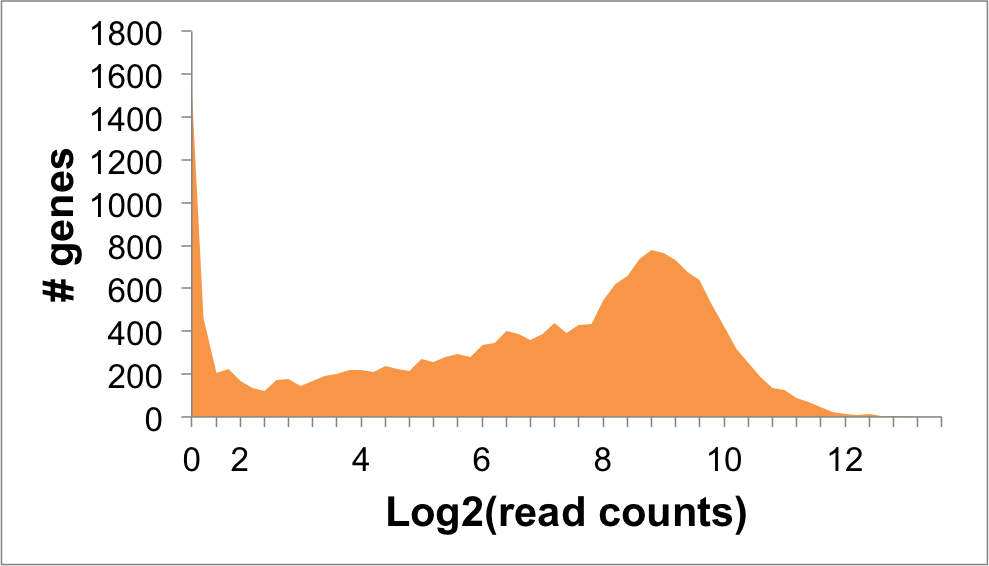
- Expression level (log2 read counts): 4.03
Expression Distribution
PINK1 Expression in NALM6 Cells: 4.03