PRDX3
Gene Information
- Official Symbol: PRDX3
- Official Name: peroxiredoxin 3
- Aliases and Previous Symbols: N/A
- Entrez ID: 10935
- UniProt: P30048
- Interactions: BioGRID
- PubMed articles: Open PubMed
- OMIM: Open OMIM
Function Summary
- Entrez Summary: N/A
- UniProt Summary: N/A
Pfam Domains GO Terms
Pfam Domains
| AhpC-TSA |
| Redoxin |
| 1-cysPrx C |
GO Terms
| alkyl hydroperoxide reductase activity |
| peptidyl-cysteine oxidation |
| thioredoxin peroxidase activity |
| protein oxidation |
| cysteine-type endopeptidase inhibitor activity involved in apoptotic process |
| hydrogen peroxide catabolic process |
| maternal placenta development |
| hydrogen peroxide metabolic process |
| peptidyl-cysteine modification |
| antibiotic catabolic process |
| cofactor catabolic process |
| maternal process involved in female pregnancy |
| regulation of mitochondrial membrane potential |
| cell redox homeostasis |
| negative regulation of cysteine-type endopeptidase activity involved in apoptotic process |
| negative regulation of cysteine-type endopeptidase activity |
| cellular oxidant detoxification |
| kinase binding |
| cellular detoxification |
| antibiotic metabolic process |
| reactive oxygen species metabolic process |
| response to hydrogen peroxide |
| detoxification |
| cellular response to reactive oxygen species |
| drug catabolic process |
| placenta development |
| positive regulation of NF-kappaB transcription factor activity |
| female pregnancy |
| protein C-terminus binding |
| response to reactive oxygen species |
| multi-multicellular organism process |
| cellular response to toxic substance |
| regulation of cysteine-type endopeptidase activity involved in apoptotic process |
| myeloid cell differentiation |
| cellular response to oxidative stress |
| regulation of cysteine-type endopeptidase activity |
| negative regulation of endopeptidase activity |
| negative regulation of kinase activity |
| negative regulation of peptidase activity |
| early endosome |
| positive regulation of DNA-binding transcription factor activity |
| negative regulation of transferase activity |
| response to antibiotic |
| response to lipopolysaccharide |
| response to molecule of bacterial origin |
| negative regulation of proteolysis |
| mitochondrial matrix |
| response to oxidative stress |
| regulation of endopeptidase activity |
| reproductive structure development |
| regulation of DNA-binding transcription factor activity |
| reproductive system development |
| regulation of membrane potential |
| cofactor metabolic process |
| mitochondrion organization |
| regulation of peptidase activity |
| negative regulation of phosphorylation |
| negative regulation of hydrolase activity |
| protein kinase binding |
| drug metabolic process |
| response to toxic substance |
| response to inorganic substance |
| hemopoiesis |
| negative regulation of phosphate metabolic process |
| negative regulation of phosphorus metabolic process |
| protein-containing complex |
| hematopoietic or lymphoid organ development |
| immune system development |
| developmental process involved in reproduction |
| response to bacterium |
| regulation of proteolysis |
| negative regulation of catalytic activity |
| multicellular organismal reproductive process |
| multicellular organism reproduction |
| response to lipid |
| regulation of kinase activity |
| peptidyl-amino acid modification |
| negative regulation of apoptotic process |
| cellular homeostasis |
| negative regulation of programmed cell death |
| positive regulation of cell population proliferation |
| apoptotic process |
| oxidation-reduction process |
| regulation of transferase activity |
| multi-organism reproductive process |
| negative regulation of cell death |
| response to drug |
| negative regulation of cellular protein metabolic process |
| programmed cell death |
| cellular response to oxygen-containing compound |
| identical protein binding |
| cell death |
| negative regulation of protein metabolic process |
| negative regulation of molecular function |
| mitochondrion |
| regulation of hydrolase activity |
| response to other organism |
| response to external biotic stimulus |
| response to biotic stimulus |
| reproductive process |
| reproduction |
| regulation of apoptotic process |
| response to oxygen-containing compound |
| regulation of programmed cell death |
| regulation of phosphorylation |
| regulation of cell population proliferation |
| homeostatic process |
| regulation of cell death |
| cellular response to stress |
| positive regulation of molecular function |
| regulation of phosphate metabolic process |
| regulation of phosphorus metabolic process |
| cellular catabolic process |
CRISPR Data
Compound Hit Most Correlated Genes in Chemogenomics Tissues where Essential in the Avana Dataset (DepMap 20Q1)
Compound Hit
No hits were found.
Most Correlated Genes in Chemogenomics
No correlation found to any other genes in chemogenomics.
Tissues where Essential in the Avana Dataset (DepMap 20Q1)
Global Fraction of Cell Lines Where Essential: 0/739
| Tissue | Fraction Of Cell Lines Where Essential |
|---|---|
| 1290807.0 | 0/1 |
| 909776.0 | 0/1 |
| bile duct | 0/28 |
| blood | 0/28 |
| bone | 0/26 |
| breast | 0/33 |
| central nervous system | 0/56 |
| cervix | 0/4 |
| colorectal | 0/17 |
| esophagus | 0/13 |
| fibroblast | 0/1 |
| gastric | 0/16 |
| kidney | 0/21 |
| liver | 0/20 |
| lung | 0/75 |
| lymphocyte | 0/16 |
| ovary | 0/26 |
| pancreas | 0/24 |
| peripheral nervous system | 0/16 |
| plasma cell | 0/15 |
| prostate | 0/1 |
| skin | 0/24 |
| soft tissue | 0/9 |
| thyroid | 0/2 |
| upper aerodigestive | 0/22 |
| urinary tract | 0/29 |
| uterus | 0/5 |
Essentiality in NALM6
- Essentiality Rank: 15518
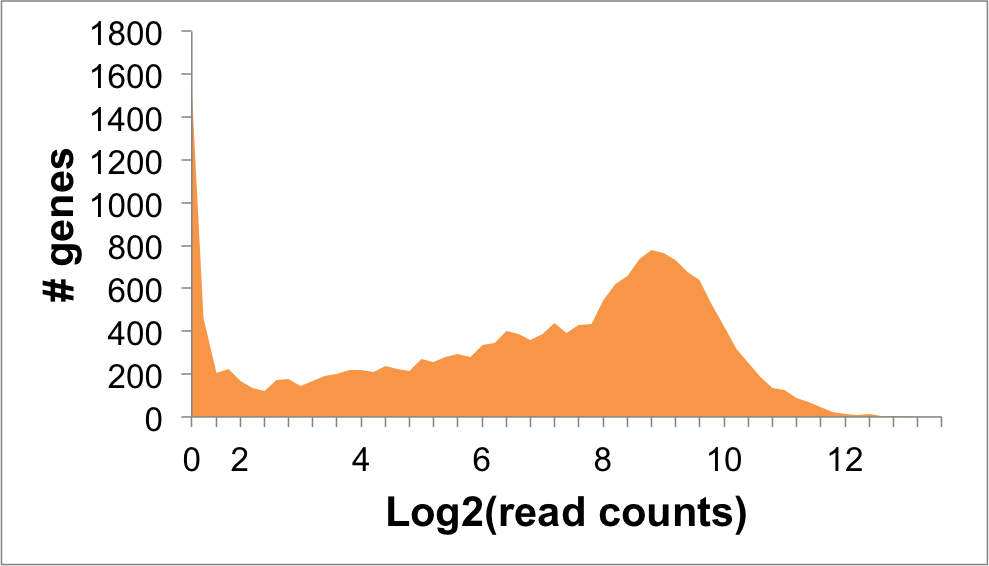
- Expression level (log2 read counts): 7.1
Expression Distribution
PRDX3 Expression in NALM6 Cells: 7.1