TACR2
Gene Information
- Official Symbol: TACR2
- Official Name: tachykinin receptor 2
- Aliases and Previous Symbols: N/A
- Entrez ID: 6865
- UniProt: P21452
- Interactions: BioGRID
- PubMed articles: Open PubMed
- OMIM: Open OMIM
Function Summary
- Entrez Summary: N/A
- UniProt Summary: This is a receptor for the tachykinin neuropeptide substance K (neurokinin A). It is associated with G proteins that activate a phosphatidylinositol-calcium second messenger system. The rank order of affinity of this receptor to tachykinins is: substance K > neuromedin-K > substance P. {ECO:0000269|PubMed:1659297}.
Pfam Domains GO Terms
Pfam Domains
| 7TM GPCR Srsx |
| 7tm 1 |
GO Terms
| substance K receptor activity |
| positive regulation of acetylcholine secretion, neurotransmission |
| regulation of acetylcholine secretion, neurotransmission |
| negative regulation of luteinizing hormone secretion |
| tachykinin receptor activity |
| operant conditioning |
| intestine smooth muscle contraction |
| positive regulation of synaptic transmission, cholinergic |
| prolactin secretion |
| regulation of synaptic transmission, cholinergic |
| gastro-intestinal system smooth muscle contraction |
| negative regulation of gonadotropin secretion |
| positive regulation of uterine smooth muscle contraction |
| regulation of luteinizing hormone secretion |
| tachykinin receptor signaling pathway |
| sperm head |
| regulation of uterine smooth muscle contraction |
| positive regulation of vascular permeability |
| positive regulation of cilium-dependent cell motility |
| positive regulation of flagellated sperm motility |
| regulation of gonadotropin secretion |
| regulation of flagellated sperm motility |
| phasic smooth muscle contraction |
| positive regulation of neurotransmitter secretion |
| sperm midpiece |
| regulation of cilium-dependent cell motility |
| positive regulation of response to drug |
| positive regulation of smooth muscle contraction |
| positive regulation of amine transport |
| regulation of vascular permeability |
| positive regulation of neurotransmitter transport |
| excretion |
| response to electrical stimulus |
| sperm flagellum |
| regulation of endocrine process |
| positive regulation of muscle contraction |
| smooth muscle contraction |
| peptide hormone secretion |
| regulation of smooth muscle contraction |
| negative regulation of hormone secretion |
| hormone secretion |
| positive regulation of reproductive process |
| hormone transport |
| regulation of amine transport |
| regulation of response to drug |
| regulation of neurotransmitter secretion |
| regulation of neurotransmitter transport |
| learning |
| positive regulation of synaptic transmission |
| protein secretion |
| establishment of protein localization to extracellular region |
| regulation of muscle contraction |
| regulation of reproductive process |
| protein localization to extracellular region |
| vascular process in circulatory system |
| signal release |
| peptide secretion |
| negative regulation of secretion by cell |
| negative regulation of secretion |
| regulation of muscle system process |
| muscle contraction |
| learning or memory |
| regulation of hormone secretion |
| positive regulation of ion transport |
| cognition |
| muscle system process |
| regulation of neurotransmitter levels |
| blood circulation |
| circulatory system process |
| positive regulation of secretion by cell |
| positive regulation of secretion |
| modulation of chemical synaptic transmission |
| regulation of trans-synaptic signaling |
| negative regulation of transport |
| positive regulation of cell motility |
| regulation of hormone levels |
| positive regulation of cellular component movement |
| positive regulation of locomotion |
| behavior |
| regulation of system process |
| regulation of ion transport |
| regulation of secretion by cell |
| regulation of secretion |
| regulation of cell motility |
| regulation of cellular localization |
| regulation of locomotion |
| positive regulation of transport |
| regulation of cellular component movement |
| secretion by cell |
| export from cell |
| cell-cell signaling |
| secretion |
| response to abiotic stimulus |
| negative regulation of multicellular organismal process |
| G protein-coupled receptor signaling pathway |
| negative regulation of cell communication |
| negative regulation of signaling |
| nervous system process |
| integral component of plasma membrane |
| protein transport |
| peptide transport |
| amide transport |
| establishment of protein localization |
| positive regulation of multicellular organismal process |
| positive regulation of cell communication |
| positive regulation of signaling |
| nitrogen compound transport |
| regulation of transport |
| system process |
CRISPR Data
Compound Hit Most Correlated Genes in Chemogenomics Tissues where Essential in the Avana Dataset (DepMap 20Q1)
Compound Hit
| Screen | Score |
|---|---|
| THZ1 0.06μM R08 exp531 | -1.74 |
Most Correlated Genes in Chemogenomics
No correlation found to any other genes in chemogenomics.
Tissues where Essential in the Avana Dataset (DepMap 20Q1)
Global Fraction of Cell Lines Where Essential: 0/739
| Tissue | Fraction Of Cell Lines Where Essential |
|---|---|
| 1290807.0 | 0/1 |
| 909776.0 | 0/1 |
| bile duct | 0/28 |
| blood | 0/28 |
| bone | 0/26 |
| breast | 0/33 |
| central nervous system | 0/56 |
| cervix | 0/4 |
| colorectal | 0/17 |
| esophagus | 0/13 |
| fibroblast | 0/1 |
| gastric | 0/16 |
| kidney | 0/21 |
| liver | 0/20 |
| lung | 0/75 |
| lymphocyte | 0/16 |
| ovary | 0/26 |
| pancreas | 0/24 |
| peripheral nervous system | 0/16 |
| plasma cell | 0/15 |
| prostate | 0/1 |
| skin | 0/24 |
| soft tissue | 0/9 |
| thyroid | 0/2 |
| upper aerodigestive | 0/22 |
| urinary tract | 0/29 |
| uterus | 0/5 |
Essentiality in NALM6
- Essentiality Rank: 3354
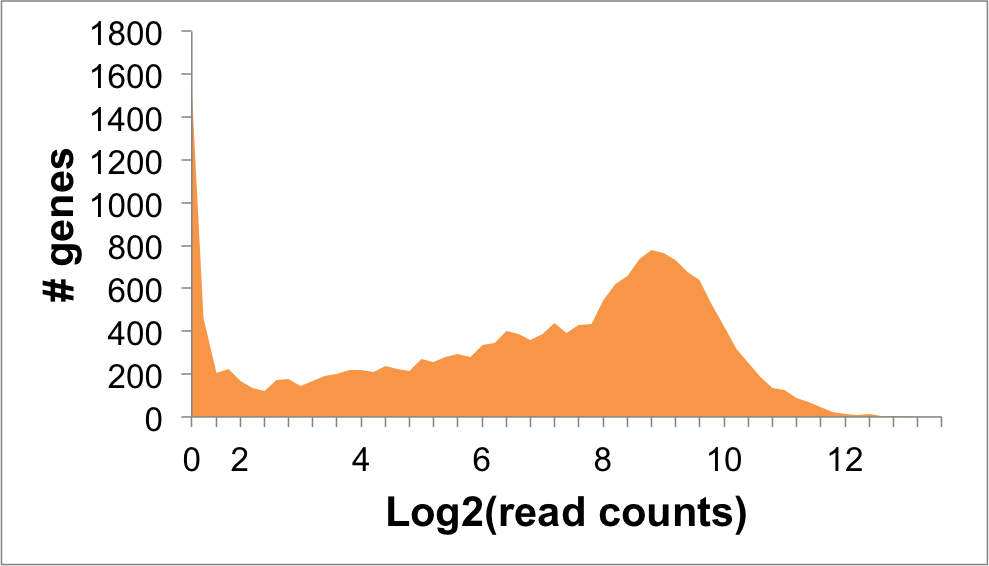
- Expression level (log2 read counts): 0.72
Expression Distribution
TACR2 Expression in NALM6 Cells: 0.72