TSPO
Gene Information
- Official Symbol: TSPO
- Official Name: translocator protein
- Aliases and Previous Symbols: N/A
- Entrez ID: 706
- UniProt: P30536"|"B1AH88|P30536"
- Interactions: BioGRID
- PubMed articles: Open PubMed
- OMIM: Open OMIM
Function Summary
- Entrez Summary: N/A
- UniProt Summary: N/A
Pfam Domains GO Terms
Pfam Domains
| TspO MBR |
GO Terms
| response to vitamin B1 |
| androgen binding |
| maintenance of protein location in mitochondrion |
| peripheral nervous system axon regeneration |
| cellular hypotonic response |
| positive regulation of necrotic cell death |
| negative regulation of autophagy of mitochondrion |
| contact inhibition |
| hypotonic response |
| positive regulation of mitochondrial depolarization |
| benzodiazepine receptor activity |
| positive regulation of membrane depolarization |
| negative regulation of nitric oxide metabolic process |
| behavioral response to pain |
| negative regulation of glial cell proliferation |
| negative regulation of nitric oxide biosynthetic process |
| C21-steroid hormone biosynthetic process |
| positive regulation of glial cell proliferation |
| response to manganese ion |
| regulation of mitochondrial depolarization |
| heme biosynthetic process |
| axon regeneration |
| cellular response to zinc ion |
| adrenal gland development |
| negative regulation of ATP metabolic process |
| porphyrin-containing compound biosynthetic process |
| negative regulation of reactive oxygen species biosynthetic process |
| C21-steroid hormone metabolic process |
| tetrapyrrole biosynthetic process |
| regulation of necrotic cell death |
| neuron projection regeneration |
| regulation of glial cell proliferation |
| response to pain |
| heme metabolic process |
| cellular response to osmotic stress |
| glial cell migration |
| response to testosterone |
| porphyrin-containing compound metabolic process |
| maintenance of protein localization in organelle |
| negative regulation of gliogenesis |
| regulation of autophagy of mitochondrion |
| regulation of membrane depolarization |
| response to progesterone |
| regulation of cholesterol transport |
| regulation of sterol transport |
| steroid hormone biosynthetic process |
| pigment biosynthetic process |
| response to axon injury |
| cholesterol binding |
| negative regulation of mitochondrion organization |
| response to zinc ion |
| negative regulation of reactive oxygen species metabolic process |
| regulation of nitric oxide biosynthetic process |
| protein targeting to mitochondrion |
| tetrapyrrole metabolic process |
| negative regulation of tumor necrosis factor production |
| hormone biosynthetic process |
| negative regulation of tumor necrosis factor superfamily cytokine production |
| pigment metabolic process |
| multicellular organismal response to stress |
| positive regulation of gliogenesis |
| regulation of mitochondrial membrane potential |
| establishment of protein localization to mitochondrion |
| negative regulation of protein ubiquitination |
| maintenance of protein location in cell |
| response to osmotic stress |
| protein localization to mitochondrion |
| negative regulation of protein modification by small protein conjugation or removal |
| negative regulation of autophagy |
| regulation of reactive oxygen species biosynthetic process |
| response to vitamin |
| regulation of steroid biosynthetic process |
| maintenance of location in cell |
| positive regulation of reactive oxygen species metabolic process |
| chloride transport |
| maintenance of protein location |
| regulation of lipid transport |
| regulation of steroid metabolic process |
| regulation of gliogenesis |
| regulation of ATP metabolic process |
| cellular hormone metabolic process |
| positive regulation of calcium ion transport |
| endocrine system development |
| ion channel binding |
| steroid biosynthetic process |
| regulation of lipid localization |
| regulation of tumor necrosis factor production |
| regulation of tumor necrosis factor superfamily cytokine production |
| regeneration |
| inorganic anion transport |
| mitochondrial outer membrane |
| maintenance of location |
| regulation of reactive oxygen species metabolic process |
| regulation of mitochondrion organization |
| cellular response to lipopolysaccharide |
| regulation of lipid biosynthetic process |
| cellular response to metal ion |
| cellular response to molecule of bacterial origin |
| response to ketone |
| regulation of protein ubiquitination |
| hormone metabolic process |
| cofactor biosynthetic process |
| gliogenesis |
| mitochondrial transport |
| cellular response to biotic stimulus |
| response to nutrient |
| cellular response to inorganic substance |
| regulation of protein modification by small protein conjugation or removal |
| regulation of calcium ion transport |
| negative regulation of cellular catabolic process |
| steroid metabolic process |
| negative regulation of cytokine production |
| positive regulation of ion transport |
| aging |
| negative regulation of neurogenesis |
| lipid transport |
| negative regulation of catabolic process |
| negative regulation of nervous system development |
| cellular response to environmental stimulus |
| cellular response to abiotic stimulus |
| response to lipopolysaccharide |
| lipid localization |
| response to molecule of bacterial origin |
| response to steroid hormone |
| regulation of autophagy |
| negative regulation of cell development |
| regulation of neurotransmitter levels |
| protein targeting |
| response to metal ion |
| negative regulation of organelle organization |
| regulation of metal ion transport |
| regulation of lipid metabolic process |
| axon development |
| gland development |
| regulation of membrane potential |
| establishment of protein localization to organelle |
| cofactor metabolic process |
| mitochondrion organization |
| positive regulation of neurogenesis |
| response to nutrient levels |
| cellular response to lipid |
| response to extracellular stimulus |
| regulation of hormone levels |
| response to inorganic substance |
| positive regulation of nervous system development |
| positive regulation of cell development |
| response to wounding |
| behavior |
| lipid biosynthetic process |
| anion transport |
| negative regulation of protein modification process |
| positive regulation of apoptotic process |
| positive regulation of programmed cell death |
| neuron projection development |
| negative regulation of cell population proliferation |
| response to bacterium |
| regulation of cytokine production |
| positive regulation of cell death |
| regulation of ion transport |
| negative regulation of cellular component organization |
| negative regulation of cell differentiation |
| protein localization to organelle |
| ion homeostasis |
| neuron development |
| regulation of neurogenesis |
| regulation of cellular catabolic process |
| response to lipid |
| response to hormone |
| positive regulation of cell population proliferation |
| response to organic cyclic compound |
| regulation of nervous system development |
| regulation of cell development |
| negative regulation of developmental process |
| cell migration |
| positive regulation of cell differentiation |
| positive regulation of transport |
| regulation of catabolic process |
| intracellular protein transport |
| response to organonitrogen compound |
| neuron differentiation |
| endoplasmic reticulum |
| response to drug |
| negative regulation of cellular protein metabolic process |
| cellular response to oxygen-containing compound |
| localization of cell |
| cell motility |
| response to nitrogen compound |
| negative regulation of protein metabolic process |
| chemical homeostasis |
| plasma membrane bounded cell projection organization |
| response to abiotic stimulus |
| cell projection organization |
| heterocycle biosynthetic process |
| aromatic compound biosynthetic process |
| negative regulation of multicellular organismal process |
| lipid metabolic process |
| regulation of organelle organization |
| response to other organism |
| organic cyclic compound biosynthetic process |
| response to external biotic stimulus |
| locomotion |
| response to biotic stimulus |
| positive regulation of developmental process |
| ion transport |
| organonitrogen compound biosynthetic process |
| response to endogenous stimulus |
| protein transport |
| negative regulation of cellular biosynthetic process |
| intracellular transport |
| generation of neurons |
| peptide transport |
| regulation of apoptotic process |
| negative regulation of biosynthetic process |
| movement of cell or subcellular component |
| response to oxygen-containing compound |
| regulation of programmed cell death |
| amide transport |
| cellular protein localization |
| cellular macromolecule localization |
| establishment of protein localization |
| regulation of cell population proliferation |
| neurogenesis |
| cellular nitrogen compound biosynthetic process |
| homeostatic process |
| cell development |
| regulation of cell death |
| cellular response to stress |
| positive regulation of multicellular organismal process |
| regulation of cell differentiation |
| establishment of localization in cell |
| regulation of protein modification process |
| nitrogen compound transport |
| regulation of transport |
CRISPR Data
Compound Hit Most Correlated Genes in Chemogenomics Tissues where Essential in the Avana Dataset (DepMap 20Q1)
Compound Hit
| Screen | Score |
|---|---|
| HMS-I2 5μM R06 exp287 | 1.75 |
Most Correlated Genes in Chemogenomics
No correlation found to any other genes in chemogenomics.
Tissues where Essential in the Avana Dataset (DepMap 20Q1)
Global Fraction of Cell Lines Where Essential: 0/739
| Tissue | Fraction Of Cell Lines Where Essential |
|---|---|
| 1290807.0 | 0/1 |
| 909776.0 | 0/1 |
| bile duct | 0/28 |
| blood | 0/28 |
| bone | 0/26 |
| breast | 0/33 |
| central nervous system | 0/56 |
| cervix | 0/4 |
| colorectal | 0/17 |
| esophagus | 0/13 |
| fibroblast | 0/1 |
| gastric | 0/16 |
| kidney | 0/21 |
| liver | 0/20 |
| lung | 0/75 |
| lymphocyte | 0/16 |
| ovary | 0/26 |
| pancreas | 0/24 |
| peripheral nervous system | 0/16 |
| plasma cell | 0/15 |
| prostate | 0/1 |
| skin | 0/24 |
| soft tissue | 0/9 |
| thyroid | 0/2 |
| upper aerodigestive | 0/22 |
| urinary tract | 0/29 |
| uterus | 0/5 |
Essentiality in NALM6
- Essentiality Rank: 3852
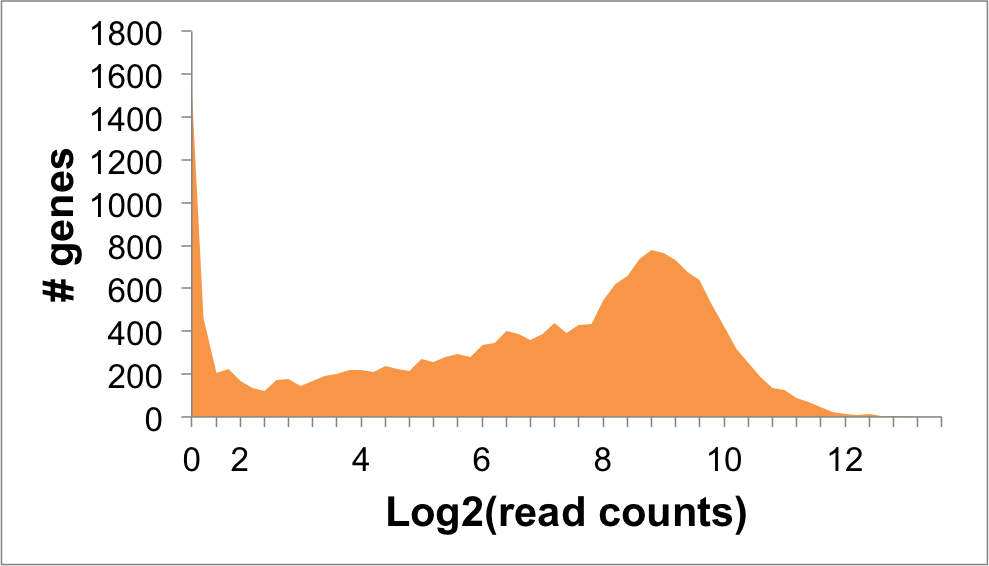
- Expression level (log2 read counts): 1.59
Expression Distribution
TSPO Expression in NALM6 Cells: 1.59