WNT10B
Gene Information
- Official Symbol: WNT10B
- Official Name: Wnt family member 10B
- Aliases and Previous Symbols: N/A
- Entrez ID: 7480
- UniProt: O00744
- Interactions: BioGRID
- PubMed articles: Open PubMed
- OMIM: Open OMIM
Function Summary
- Entrez Summary: The WNT gene family consists of structurally related genes which encode secreted signaling proteins. These proteins have been implicated in oncogenesis and in several developmental processes, including regulation of cell fate and patterning during embryogenesis. This gene is a member of the WNT gene family. It may be involved in breast cancer, and its protein signaling is likely a molecular switch that governs adipogenesis. This protein is 96% identical to the mouse Wnt10b protein at the amino acid level. This gene is clustered with another family member, WNT1, in the chromosome 12q13 region. [provided by RefSeq, Jul 2008].
- UniProt Summary: Member of the Wnt ligand gene family that encodes for secreted proteins, which activate the Wnt signaling cascade. Specifically activates canonical Wnt/beta-catenin signaling and thus triggers beta-catenin/LEF/TCF-mediated transcriptional programs. Involved in signaling networks controlling stemness, pluripotency and cell fate decisions. Acts in the immune system, mammary gland, adipose tissue, bone and skin. {ECO:0000305|PubMed:16477437, ECO:0000305|PubMed:21447090, ECO:0000305|PubMed:27321946}.
Pfam Domains GO Terms
Pfam Domains
| wnt |
GO Terms
| myoblast differentiation involved in skeletal muscle regeneration |
| positive regulation of timing of anagen |
| positive regulation of hair follicle maturation |
| regulation of timing of anagen |
| fungiform papilla development |
| bone trabecula formation |
| regulation of hair follicle maturation |
| cellular response to parathyroid hormone stimulus |
| positive regulation of RNA polymerase II transcriptional preinitiation complex assembly |
| bone trabecula morphogenesis |
| response to parathyroid hormone |
| positive regulation of hair follicle development |
| hematopoietic stem cell proliferation |
| positive regulation of hair cycle |
| regulation of RNA polymerase II transcriptional preinitiation complex assembly |
| positive regulation of transcription initiation from RNA polymerase II promoter |
| tongue development |
| regulation of hair follicle development |
| trabecula formation |
| skeletal muscle fiber development |
| positive regulation of DNA-templated transcription, initiation |
| myotube cell development |
| positive regulation of G2/M transition of mitotic cell cycle |
| regulation of transcription initiation from RNA polymerase II promoter |
| regulation of hair cycle |
| positive regulation of cell cycle G2/M phase transition |
| receptor ligand activity |
| skeletal muscle tissue regeneration |
| myoblast differentiation |
| regulation of DNA-templated transcription, initiation |
| positive regulation of epidermis development |
| positive regulation of bone mineralization |
| frizzled binding |
| trabecula morphogenesis |
| negative regulation of fat cell differentiation |
| positive regulation of biomineral tissue development |
| negative regulation of cold-induced thermogenesis |
| positive regulation of biomineralization |
| regulation of skeletal muscle tissue development |
| stem cell proliferation |
| cellular response to cAMP |
| myotube differentiation |
| positive regulation of osteoblast differentiation |
| muscle fiber development |
| positive regulation of epithelial cell differentiation |
| tissue regeneration |
| sensory perception of taste |
| cellular response to retinoic acid |
| smoothened signaling pathway |
| regulation of bone mineralization |
| positive regulation of mitotic cell cycle phase transition |
| chondrocyte differentiation |
| positive regulation of ossification |
| regulation of epidermis development |
| canonical Wnt signaling pathway |
| regulation of biomineral tissue development |
| regulation of biomineralization |
| positive regulation of cell cycle phase transition |
| response to cAMP |
| response to retinoic acid |
| regulation of osteoblast differentiation |
| regulation of fat cell differentiation |
| skeletal muscle tissue development |
| regulation of proteasomal ubiquitin-dependent protein catabolic process |
| negative regulation of epithelial cell proliferation |
| G2/M transition of mitotic cell cycle |
| regulation of striated muscle tissue development |
| cell cycle G2/M phase transition |
| skeletal muscle organ development |
| striated muscle cell development |
| regulation of muscle tissue development |
| response to organophosphorus |
| regulation of muscle organ development |
| regulation of epithelial cell differentiation |
| positive regulation of canonical Wnt signaling pathway |
| regulation of cold-induced thermogenesis |
| cell cycle arrest |
| muscle cell development |
| positive regulation of mitotic cell cycle |
| response to purine-containing compound |
| regulation of ubiquitin-dependent protein catabolic process |
| regeneration |
| cartilage development |
| positive regulation of Wnt signaling pathway |
| protein stabilization |
| regulation of proteasomal protein catabolic process |
| regulation of ossification |
| regulation of G2/M transition of mitotic cell cycle |
| striated muscle cell differentiation |
| cellular response to acid chemical |
| regulation of cell cycle G2/M phase transition |
| regulation of proteolysis involved in cellular protein catabolic process |
| connective tissue development |
| skeletal system morphogenesis |
| muscle cell differentiation |
| cell fate commitment |
| regulation of cellular protein catabolic process |
| positive regulation of protein complex assembly |
| positive regulation of DNA-binding transcription factor activity |
| mitotic cell cycle phase transition |
| cell cycle phase transition |
| regulation of canonical Wnt signaling pathway |
| striated muscle tissue development |
| positive regulation of cell cycle process |
| regulation of protein stability |
| muscle organ development |
| muscle tissue development |
| regulation of epithelial cell proliferation |
| response to acid chemical |
| cell-cell signaling by wnt |
| Wnt signaling pathway |
| regulation of Wnt signaling pathway |
| positive regulation of cell cycle |
| regulation of protein catabolic process |
| developmental growth |
| growth |
| regulation of mitotic cell cycle phase transition |
| cell surface receptor signaling pathway involved in cell-cell signaling |
| regulation of DNA-binding transcription factor activity |
| regulation of cell cycle phase transition |
| regulation of protein complex assembly |
| muscle structure development |
| wound healing |
| skeletal system development |
| positive regulation of cellular component biogenesis |
| cellular response to lipid |
| sensory perception of chemical stimulus |
| cellular response to organic cyclic compound |
| sensory organ development |
| cell population proliferation |
| hemopoiesis |
| response to wounding |
| negative regulation of cell cycle |
| mitotic cell cycle process |
| cellular response to organonitrogen compound |
| cellular response to hormone stimulus |
| hematopoietic or lymphoid organ development |
| regulation of mitotic cell cycle |
| positive regulation of apoptotic process |
| immune system development |
| positive regulation of programmed cell death |
| cellular response to nitrogen compound |
| negative regulation of cell population proliferation |
| mitotic cell cycle |
| positive regulation of cell death |
| negative regulation of cell differentiation |
| regulation of proteolysis |
| regulation of cell cycle process |
| regulation of cellular catabolic process |
| response to lipid |
| negative regulation of transcription by RNA polymerase II |
| anatomical structure formation involved in morphogenesis |
| response to hormone |
| positive regulation of cell population proliferation |
| response to organic cyclic compound |
| negative regulation of developmental process |
| animal organ morphogenesis |
| regulation of cellular component biogenesis |
| positive regulation of cell differentiation |
| sensory perception |
| regulation of catabolic process |
| cell cycle process |
| response to organonitrogen compound |
| neuron differentiation |
| cellular response to oxygen-containing compound |
| response to nitrogen compound |
| cell-cell signaling |
| regulation of cell cycle |
| negative regulation of transcription, DNA-templated |
| negative regulation of multicellular organismal process |
| positive regulation of cellular component organization |
| lipid metabolic process |
| positive regulation of transcription by RNA polymerase II |
| cellular response to endogenous stimulus |
| negative regulation of nucleic acid-templated transcription |
| negative regulation of RNA biosynthetic process |
| negative regulation of RNA metabolic process |
| cell cycle |
| positive regulation of developmental process |
| nervous system process |
| negative regulation of cellular macromolecule biosynthetic process |
| negative regulation of nucleobase-containing compound metabolic process |
| negative regulation of macromolecule biosynthetic process |
| response to endogenous stimulus |
| negative regulation of cellular biosynthetic process |
| generation of neurons |
| regulation of apoptotic process |
| positive regulation of transcription, DNA-templated |
| negative regulation of biosynthetic process |
| response to oxygen-containing compound |
| regulation of programmed cell death |
| extracellular space |
| regulation of cell population proliferation |
| neurogenesis |
| positive regulation of nucleic acid-templated transcription |
| positive regulation of RNA biosynthetic process |
| cell development |
| positive regulation of signal transduction |
| regulation of cell death |
| negative regulation of gene expression |
| positive regulation of RNA metabolic process |
| positive regulation of multicellular organismal process |
| tissue development |
| positive regulation of molecular function |
| regulation of cell differentiation |
| positive regulation of cell communication |
| positive regulation of signaling |
| positive regulation of nucleobase-containing compound metabolic process |
| positive regulation of macromolecule biosynthetic process |
| extracellular region |
| system process |
| positive regulation of cellular biosynthetic process |
| positive regulation of gene expression |
| positive regulation of biosynthetic process |
CRISPR Data
Compound Hit Most Correlated Genes in Chemogenomics Tissues where Essential in the Avana Dataset (DepMap 20Q1)
Compound Hit
No hits were found.
Most Correlated Genes in Chemogenomics
No correlation found to any other genes in chemogenomics.
Tissues where Essential in the Avana Dataset (DepMap 20Q1)
Global Fraction of Cell Lines Where Essential: 0/739
| Tissue | Fraction Of Cell Lines Where Essential |
|---|---|
| 1290807.0 | 0/1 |
| 909776.0 | 0/1 |
| bile duct | 0/28 |
| blood | 0/28 |
| bone | 0/26 |
| breast | 0/33 |
| central nervous system | 0/56 |
| cervix | 0/4 |
| colorectal | 0/17 |
| esophagus | 0/13 |
| fibroblast | 0/1 |
| gastric | 0/16 |
| kidney | 0/21 |
| liver | 0/20 |
| lung | 0/75 |
| lymphocyte | 0/16 |
| ovary | 0/26 |
| pancreas | 0/24 |
| peripheral nervous system | 0/16 |
| plasma cell | 0/15 |
| prostate | 0/1 |
| skin | 0/24 |
| soft tissue | 0/9 |
| thyroid | 0/2 |
| upper aerodigestive | 0/22 |
| urinary tract | 0/29 |
| uterus | 0/5 |
Essentiality in NALM6
- Essentiality Rank: 15406
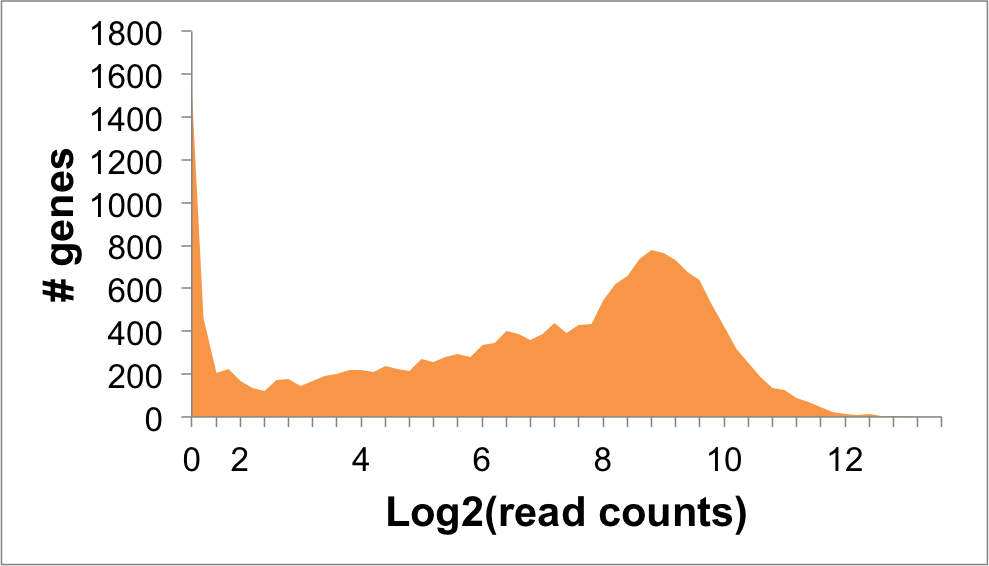
- Expression level (log2 read counts): -2.28
Expression Distribution
WNT10B Expression in NALM6 Cells: -2.28