PILRA
Gene Information
- Official Symbol: PILRA
- Official Name: paired immunoglobin like type 2 receptor alpha
- Aliases and Previous Symbols: N/A
- Entrez ID: 29992
- UniProt: Q9UKJ1
- Interactions: BioGRID
- PubMed articles: Open PubMed
- OMIM: Open OMIM
Function Summary
- Entrez Summary: Cell signaling pathways rely on a dynamic interaction between activating and inhibiting processes. SHP-1-mediated dephosphorylation of protein tyrosine residues is central to the regulation of several cell signaling pathways. Two types of inhibitory receptor superfamily members are immunoreceptor tyrosine-based inhibitory motif (ITIM)-bearing receptors and their non-ITIM-bearing, activating counterparts. Control of cell signaling via SHP-1 is thought to occur through a balance between PILRalpha-mediated inhibition and PILRbeta-mediated activation. These paired immunoglobulin-like receptor genes are located in a tandem head-to-tail orientation on chromosome 7. This particular gene encodes the ITIM-bearing member of the receptor pair, which functions in the inhibitory role. Alternative splicing has been observed at this locus and three variants, each encoding a distinct isoform, are described. [provided by RefSeq, Jul 2008].
- UniProt Summary: Paired receptors consist of highly related activating and inhibitory receptors and are widely involved in the regulation of the immune system. PILRA is thought to act as a cellular signaling inhibitory receptor by recruiting cytoplasmic phosphatases like PTPN6/SHP-1 and PTPN11/SHP-2 via their SH2 domains that block signal transduction through dephosphorylation of signaling molecules. Receptor for PIANP. {ECO:0000269|PubMed:10903717, ECO:0000269|PubMed:18358807, ECO:0000269|PubMed:21241660}.
CRISPR Data
Essentiality in NALM6
- Essentiality Rank: 6045
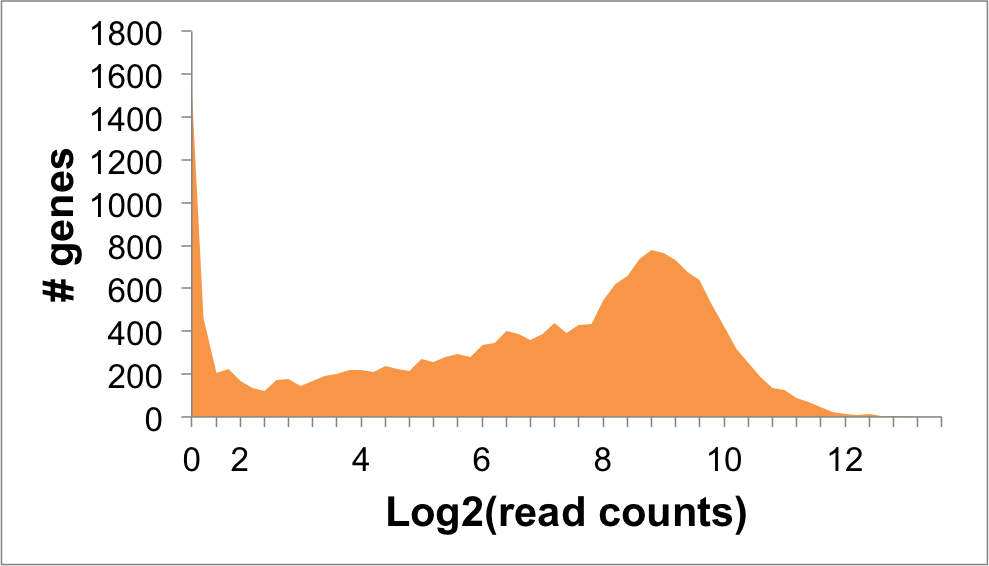
- Expression level (log2 read counts): 0.05
PILRA Expression in NALM6 Cells: 0.05