UBE3B
Gene Information
- Official Symbol: UBE3B
- Official Name: ubiquitin protein ligase E3B
- Aliases and Previous Symbols: N/A
- Entrez ID: 89910
- UniProt: Q7Z3V4
- Interactions: BioGRID
- PubMed articles: Open PubMed
- OMIM: Open OMIM
Function Summary
- Entrez Summary: The modification of proteins with ubiquitin is an important cellular mechanism for targeting abnormal or short-lived proteins for degradation. Ubiquitination involves at least three classes of enzymes: E1 ubiquitin-activating enzymes, E2 ubiquitin-conjugating enzymes, and E3 ubiquitin-protein ligases. This gene encodes a member of the E3 ubiquitin-conjugating enzyme family which accepts ubiquitin from an E2 ubiquitin-conjugating enzyme and transfers the ubiquitin to the targeted substrates. A HECT (homology to E6-AP C-terminus) domain in the C-terminus of the longer isoform of this protein is the catalytic site of ubiquitin transfer and forms a complex with E2 conjugases. Shorter isoforms of this protein which lack the C-terminal HECT domain are therefore unlikely to bind E2 enzymes. Alternatively spliced transcript variants encoding distinct isoforms have been identified for this gene. [provided by RefSeq, Jul 2012].
- UniProt Summary: E3 ubiquitin-protein ligase which accepts ubiquitin from an E2 ubiquitin-conjugating enzyme in the form of a thioester and then directly transfers the ubiquitin to targeted substrates. {ECO:0000250}.
CRISPR Data
Essentiality in NALM6
- Essentiality Rank: 10482
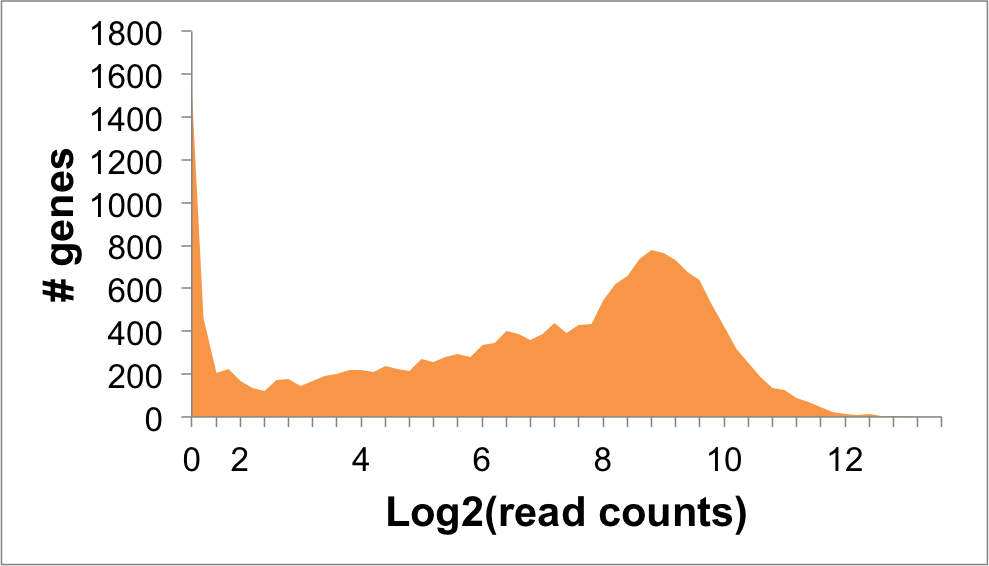
- Expression level (log2 read counts): 5.59
UBE3B Expression in NALM6 Cells: 5.59