FBXL3
Gene Information
- Official Symbol: FBXL3
- Official Name: F-box and leucine rich repeat protein 3
- Aliases and Previous Symbols: N/A
- Entrez ID: 26224
- UniProt: Q9UKT7
- Interactions: BioGRID
- PubMed articles: Open PubMed
- OMIM: Open OMIM
Function Summary
- Entrez Summary: N/A
- UniProt Summary: Substrate-recognition component of the SCF(FBXL3) E3 ubiquitin ligase complex involved in circadian rhythm function. Plays a key role in the maintenance of both the speed and the robustness of the circadian clock oscillation (PubMed:17463251, PubMed:23452855, PubMed:27565346). The SCF(FBXL3) complex mainly acts in the nucleus and mediates ubiquitination and subsequent degradation of CRY1 and CRY2 (PubMed:17463251, PubMed:23452855, PubMed:27565346). Activity of the SCF(FBXL3) complex is counteracted by the SCF(FBXL21) complex (PubMed:23452855). {ECO:0000269|PubMed:17463251, ECO:0000269|PubMed:23452855, ECO:0000269|PubMed:27565346}.
CRISPR Data
Essentiality in NALM6
- Essentiality Rank: 18485
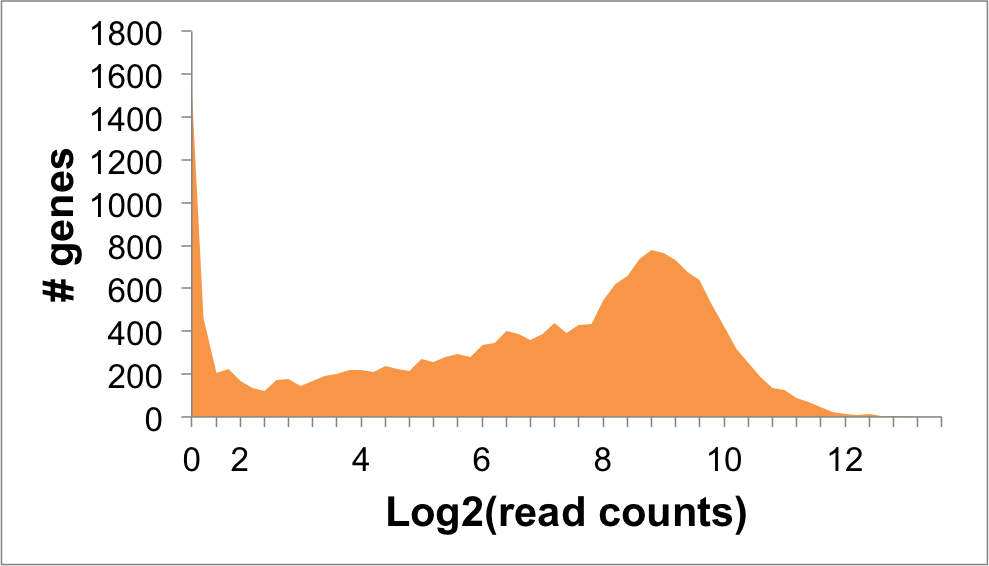
- Expression level (log2 read counts): 5.51
FBXL3 Expression in NALM6 Cells: 5.51