LRRC8D
Gene Information
- Official Symbol: LRRC8D
- Official Name: leucine rich repeat containing 8 VRAC subunit D
- Aliases and Previous Symbols: N/A
- Entrez ID: 55144
- UniProt: Q7L1W4
- Interactions: BioGRID
- PubMed articles: Open PubMed
- OMIM: Open OMIM
Function Summary
- Entrez Summary: N/A
- UniProt Summary: Non-essential component of the volume-regulated anion channel (VRAC, also named VSOAC channel), an anion channel required to maintain a constant cell volume in response to extracellular or intracellular osmotic changes. The VRAC channel conducts iodide better than chloride and may also conduct organic osmolytes like taurine. Channel activity requires LRRC8A plus at least one other family member (LRRC8B, LRRC8C, LRRC8D or LRRC8E); channel characteristics depend on the precise subunit composition (PubMed:24790029, PubMed:26824658). LRRC8A and LRRC8D are required for the uptake of the drug cisplatin (PubMed:26530471). Mediates the import of the antibiotic blasticidin-S into the cell (PubMed:24782309). {ECO:0000269|PubMed:24782309, ECO:0000269|PubMed:24790029, ECO:0000269|PubMed:26530471, ECO:0000269|PubMed:26824658}.
CRISPR Data
Essentiality in NALM6
- Essentiality Rank: 18683
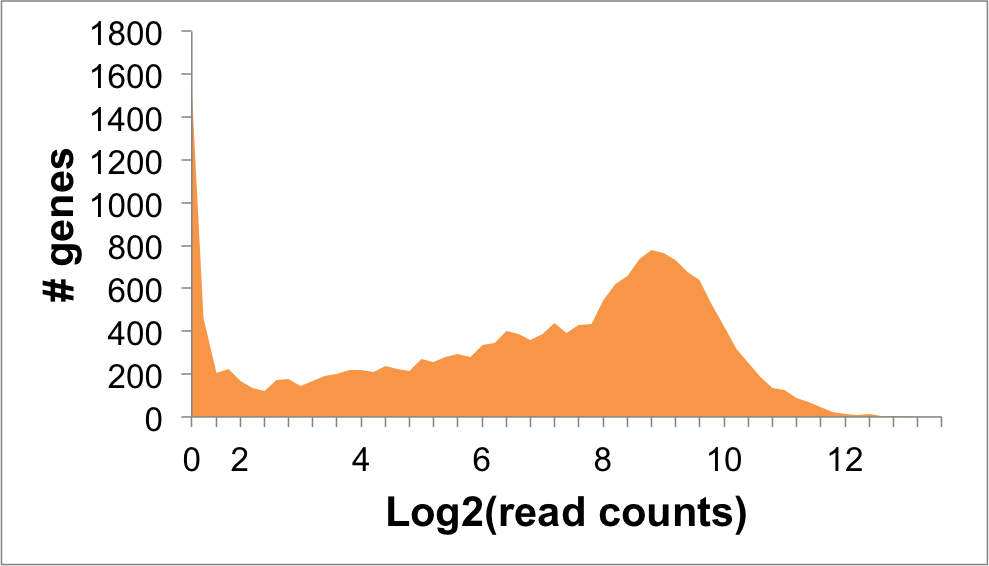
- Expression level (log2 read counts): 5.81
LRRC8D Expression in NALM6 Cells: 5.81