TAC4
Gene Information
- Official Symbol: TAC4
- Official Name: tachykinin precursor 4
- Aliases and Previous Symbols: N/A
- Entrez ID: 255061
- UniProt: Q86UU9
- Interactions: BioGRID
- PubMed articles: Open PubMed
- OMIM: Open OMIM
Function Summary
- Entrez Summary: This gene is a member of the tachykinin family of neurotransmitter-encoding genes. Tachykinin proteins are cleaved into small, secreted peptides that activate members of a family of receptor proteins. The products of this gene preferentially activate tachykinin receptor 1, and are thought to regulate peripheral endocrine and paracrine functions including blood pressure, the immune system, and endocrine gland secretion. The products of this gene lack a dibasic cleavage site found in other tachykinin proteins. Consequently, the nature of the cleavage products generated in vivo remains to be determined. Multiple transcript variants encoding different isoforms have been found for this gene. [provided by RefSeq, Jul 2008].
- UniProt Summary: Tachykinins are active peptides which excite neurons, evoke behavioral responses, are potent vasodilators and secretagogues, and contract (directly or indirectly) many smooth muscles. Endokinin-A induces thermal hyperalgesia and pain-related behavior such as scratching following intrathecal administration in rats. These effects are suppressed by treatment with endokinin- C. Endokinin-A/B reduces arterial blood pressure and increases sperm motility. {ECO:0000269|PubMed:12716968, ECO:0000269|PubMed:17101218, ECO:0000269|PubMed:17437961, ECO:0000269|PubMed:17655832}.
CRISPR Data
Essentiality in NALM6
- Essentiality Rank: 6129
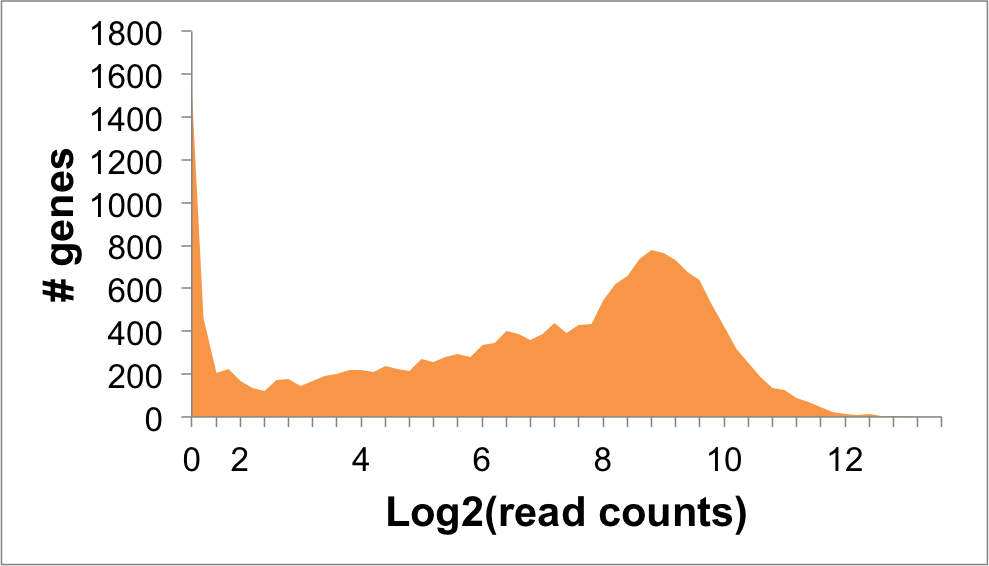
- Expression level (log2 read counts): 0.78
TAC4 Expression in NALM6 Cells: 0.78