HSPB1
Gene Information
- Official Symbol: HSPB1
- Official Name: heat shock protein family B (small) member 1
- Aliases and Previous Symbols: N/A
- Entrez ID: 3315
- UniProt: P04792
- Interactions: BioGRID
- PubMed articles: Open PubMed
- OMIM: Open OMIM
Function Summary
- Entrez Summary: This gene encodes a member of the small heat shock protein (HSP20) family of proteins. In response to environmental stress, the encoded protein translocates from the cytoplasm to the nucleus and functions as a molecular chaperone that promotes the correct folding of other proteins. This protein plays an important role in the differentiation of a wide variety of cell types. Expression of this gene is correlated with poor clinical outcome in multiple human cancers, and the encoded protein may promote cancer cell proliferation and metastasis, while protecting cancer cells from apoptosis. Mutations in this gene have been identified in human patients with Charcot-Marie-Tooth disease and distal hereditary motor neuropathy. [provided by RefSeq, Aug 2017].
- UniProt Summary: N/A
Pfam Domains GO Terms
Pfam Domains
| HSP20 |
GO Terms
| protein kinase C inhibitor activity |
| positive regulation of endothelial cell chemotaxis by VEGF-activated vascular endothelial growth factor receptor signaling pathway |
| positive regulation of cell migration by vascular endothelial growth factor signaling pathway |
| anterograde axonal protein transport |
| protein localization to presynapse |
| axo-dendritic protein transport |
| positive regulation of endothelial cell chemotaxis |
| negative regulation of oxidative stress-induced intrinsic apoptotic signaling pathway |
| vascular endothelial growth factor signaling pathway |
| positive regulation of tumor necrosis factor biosynthetic process |
| regulation of endothelial cell chemotaxis |
| protein folding chaperone |
| regulation of oxidative stress-induced intrinsic apoptotic signaling pathway |
| regulation of tumor necrosis factor biosynthetic process |
| cellular response to vascular endothelial growth factor stimulus |
| anterograde axonal transport |
| platelet aggregation |
| negative regulation of oxidative stress-induced cell death |
| negative regulation of cellular response to oxidative stress |
| negative regulation of response to oxidative stress |
| positive regulation of interleukin-1 beta production |
| protein kinase C binding |
| axonal transport |
| positive regulation of blood vessel endothelial cell migration |
| proteasome complex |
| axon cytoplasm |
| chaperone-mediated protein folding |
| positive regulation of interleukin-1 production |
| homotypic cell-cell adhesion |
| regulation of oxidative stress-induced cell death |
| protein localization to synapse |
| axo-dendritic transport |
| protein transport along microtubule |
| microtubule-based protein transport |
| vascular endothelial growth factor receptor signaling pathway |
| positive regulation of cytokine biosynthetic process |
| regulation of cellular response to oxidative stress |
| retina homeostasis |
| regulation of translational initiation |
| ubiquitin binding |
| regulation of interleukin-1 beta production |
| regulation of response to oxidative stress |
| positive regulation of tumor necrosis factor production |
| positive regulation of tumor necrosis factor superfamily cytokine production |
| regulation of blood vessel endothelial cell migration |
| regulation of interleukin-1 production |
| negative regulation of intrinsic apoptotic signaling pathway |
| positive regulation of endothelial cell migration |
| regulation of cytokine biosynthetic process |
| spindle |
| Z disc |
| negative regulation of protein serine/threonine kinase activity |
| positive regulation of chemotaxis |
| platelet activation |
| positive regulation of epithelial cell migration |
| regulation of tumor necrosis factor production |
| regulation of tumor necrosis factor superfamily cytokine production |
| transport along microtubule |
| regulation of endothelial cell migration |
| regulation of intrinsic apoptotic signaling pathway |
| response to unfolded protein |
| positive regulation of angiogenesis |
| cytoskeleton-dependent intracellular transport |
| regulation of mRNA stability |
| microtubule-based transport |
| positive regulation of vasculature development |
| regulation of RNA stability |
| response to topologically incorrect protein |
| tissue homeostasis |
| regulation of mRNA catabolic process |
| regulation of chemotaxis |
| regulation of epithelial cell migration |
| negative regulation of protein kinase activity |
| negative regulation of apoptotic signaling pathway |
| protein folding |
| regulation of I-kappaB kinase/NF-kappaB signaling |
| negative regulation of kinase activity |
| microtubule-based movement |
| negative regulation of transferase activity |
| response to virus |
| regulation of angiogenesis |
| blood coagulation |
| coagulation |
| hemostasis |
| regulation of vasculature development |
| multicellular organismal homeostasis |
| regulation of mRNA metabolic process |
| regulation of autophagy |
| anatomical structure homeostasis |
| regulation of translation |
| cytoskeleton |
| regulation of apoptotic signaling pathway |
| regulation of cellular amide metabolic process |
| negative regulation of protein phosphorylation |
| focal adhesion |
| negative regulation of phosphorylation |
| positive regulation of cytokine production |
| protein kinase binding |
| wound healing |
| regulation of body fluid levels |
| cellular response to growth factor stimulus |
| positive regulation of cell migration |
| cell-cell adhesion |
| negative regulation of intracellular signal transduction |
| transmembrane receptor protein tyrosine kinase signaling pathway |
| regulation of protein serine/threonine kinase activity |
| positive regulation of cell motility |
| posttranscriptional regulation of gene expression |
| response to growth factor |
| positive regulation of cellular component movement |
| positive regulation of locomotion |
| negative regulation of phosphate metabolic process |
| negative regulation of phosphorus metabolic process |
| response to wounding |
| negative regulation of protein modification process |
| positive regulation of response to external stimulus |
| microtubule-based process |
| regulation of cytokine production |
| enzyme linked receptor protein signaling pathway |
| regulation of cellular response to stress |
| negative regulation of catalytic activity |
| regulation of protein kinase activity |
| regulation of cellular catabolic process |
| regulation of cell migration |
| regulation of kinase activity |
| protein homodimerization activity |
| negative regulation of apoptotic process |
| negative regulation of programmed cell death |
| regulation of cell motility |
| cell adhesion |
| biological adhesion |
| regulation of transferase activity |
| regulation of locomotion |
| negative regulation of cell death |
| regulation of catabolic process |
| regulation of cellular component movement |
| intracellular protein transport |
| negative regulation of cellular protein metabolic process |
| regulation of anatomical structure morphogenesis |
| identical protein binding |
| cell activation |
| regulation of response to external stimulus |
| negative regulation of protein metabolic process |
| negative regulation of molecular function |
| negative regulation of signal transduction |
| response to other organism |
| response to external biotic stimulus |
| response to biotic stimulus |
| negative regulation of cell communication |
| negative regulation of signaling |
| positive regulation of developmental process |
| RNA binding |
| regulation of protein phosphorylation |
| regulation of response to stress |
| protein transport |
| intracellular transport |
| peptide transport |
| regulation of apoptotic process |
| movement of cell or subcellular component |
| regulation of programmed cell death |
| amide transport |
| cellular protein localization |
| regulation of phosphorylation |
| extracellular space |
| cellular macromolecule localization |
| establishment of protein localization |
| negative regulation of response to stimulus |
| homeostatic process |
| regulation of cell death |
| intracellular signal transduction |
| positive regulation of protein metabolic process |
| positive regulation of multicellular organismal process |
| regulation of phosphate metabolic process |
| regulation of phosphorus metabolic process |
| regulation of intracellular signal transduction |
| establishment of localization in cell |
| regulation of protein modification process |
| nitrogen compound transport |
| positive regulation of macromolecule biosynthetic process |
| positive regulation of cellular biosynthetic process |
| positive regulation of biosynthetic process |
CRISPR Data
Compound Hit Most Correlated Genes in Chemogenomics Tissues where Essential in the Avana Dataset (DepMap 20Q1)
Compound Hit
No hits were found.
Most Correlated Genes in Chemogenomics
| Gene | Correlation |
|---|---|
| RRM1 | 0.539 |
Tissues where Essential in the Avana Dataset (DepMap 20Q1)
Global Fraction of Cell Lines Where Essential: 0/739
| Tissue | Fraction Of Cell Lines Where Essential |
|---|---|
| 1290807.0 | 0/1 |
| 909776.0 | 0/1 |
| bile duct | 0/28 |
| blood | 0/28 |
| bone | 0/26 |
| breast | 0/33 |
| central nervous system | 0/56 |
| cervix | 0/4 |
| colorectal | 0/17 |
| esophagus | 0/13 |
| fibroblast | 0/1 |
| gastric | 0/16 |
| kidney | 0/21 |
| liver | 0/20 |
| lung | 0/75 |
| lymphocyte | 0/16 |
| ovary | 0/26 |
| pancreas | 0/24 |
| peripheral nervous system | 0/16 |
| plasma cell | 0/15 |
| prostate | 0/1 |
| skin | 0/24 |
| soft tissue | 0/9 |
| thyroid | 0/2 |
| upper aerodigestive | 0/22 |
| urinary tract | 0/29 |
| uterus | 0/5 |
Essentiality in NALM6
- Essentiality Rank: 12674
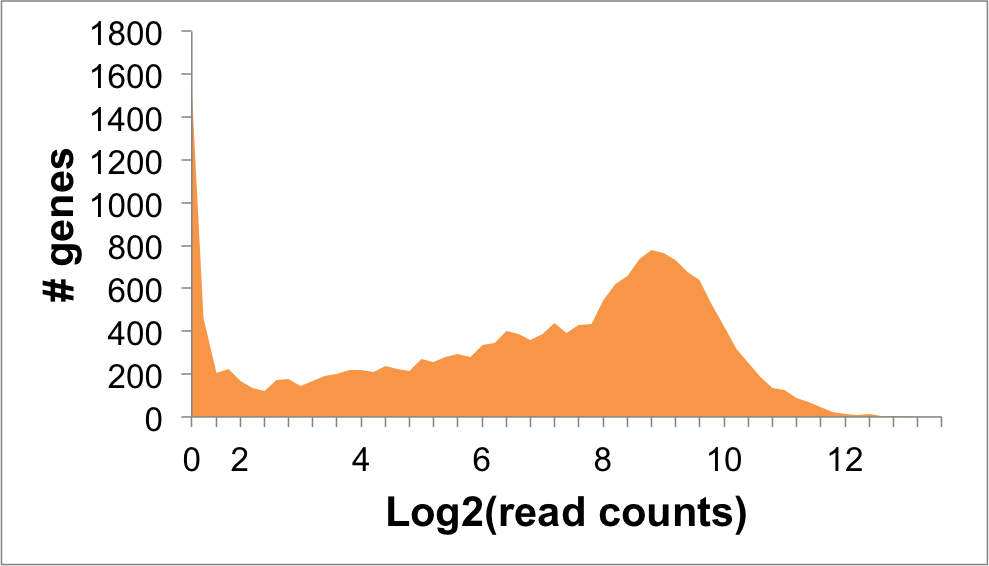
- Expression level (log2 read counts): 6.7
Expression Distribution
HSPB1 Expression in NALM6 Cells: 6.7