INS
Gene Information
- Official Symbol: INS
- Official Name: insulin
- Aliases and Previous Symbols: N/A
- Entrez ID: 3630
- UniProt: P01308
- Interactions: BioGRID
- PubMed articles: Open PubMed
- OMIM: Open OMIM
Function Summary
- Entrez Summary: After removal of the precursor signal peptide, proinsulin is post-translationally cleaved into three peptides: the B chain and A chain peptides, which are covalently linked via two disulfide bonds to form insulin, and C-peptide. Binding of insulin to the insulin receptor (INSR) stimulates glucose uptake. A multitude of mutant alleles with phenotypic effects have been identified. There is a read-through gene, INS-IGF2, which overlaps with this gene at the 5' region and with the IGF2 gene at the 3' region. Alternative splicing results in multiple transcript variants. [provided by RefSeq, Jun 2010].
- UniProt Summary: Insulin decreases blood glucose concentration. It increases cell permeability to monosaccharides, amino acids and fatty acids. It accelerates glycolysis, the pentose phosphate cycle, and glycogen synthesis in liver.
Pfam Domains GO Terms
Pfam Domains
| Insulin |
GO Terms
| negative regulation of glycogen catabolic process |
| negative regulation of NAD(P)H oxidase activity |
| positive regulation of dendritic spine maintenance |
| positive regulation of nitric oxide mediated signal transduction |
| negative regulation of respiratory burst involved in inflammatory response |
| negative regulation of respiratory burst |
| regulation of glycogen catabolic process |
| regulation of respiratory burst involved in inflammatory response |
| negative regulation of glycogen metabolic process |
| positive regulation of respiratory burst |
| positive regulation of brown fat cell differentiation |
| neuron projection maintenance |
| regulation of cellular carbohydrate catabolic process |
| negative regulation of feeding behavior |
| regulation of nitric oxide mediated signal transduction |
| regulation of NAD(P)H oxidase activity |
| regulation of dendritic spine maintenance |
| negative regulation of acute inflammatory response |
| fatty acid homeostasis |
| insulin-like growth factor receptor binding |
| regulation of brown fat cell differentiation |
| positive regulation of glycogen biosynthetic process |
| negative regulation of gluconeogenesis |
| negative regulation of protein oligomerization |
| endosome lumen |
| negative regulation of behavior |
| regulation of respiratory burst |
| positive regulation of glycogen metabolic process |
| negative regulation of oxidative stress-induced intrinsic apoptotic signaling pathway |
| positive regulation of nitric-oxide synthase activity |
| positive regulation of long-term synaptic potentiation |
| insulin receptor binding |
| positive regulation of insulin receptor signaling pathway |
| negative regulation of lipid catabolic process |
| positive regulation of glycolytic process |
| positive regulation of cellular response to insulin stimulus |
| negative regulation of oxidoreductase activity |
| negative regulation of fatty acid metabolic process |
| positive regulation of protein autophosphorylation |
| negative regulation of reactive oxygen species biosynthetic process |
| positive regulation of monooxygenase activity |
| regulation of oxidative stress-induced intrinsic apoptotic signaling pathway |
| regulation of feeding behavior |
| regulation of glucan biosynthetic process |
| regulation of glycogen biosynthetic process |
| activation of protein kinase B activity |
| regulation of glycogen metabolic process |
| regulation of polysaccharide biosynthetic process |
| positive regulation of glucose import |
| positive regulation of glucose metabolic process |
| negative regulation of blood vessel diameter |
| neuron projection organization |
| acute-phase response |
| negative regulation of cellular carbohydrate metabolic process |
| regulation of protein oligomerization |
| regulation of polysaccharide metabolic process |
| positive regulation of glucose transmembrane transport |
| regulation of acute inflammatory response |
| regulation of nitric-oxide synthase activity |
| regulation of long-term synaptic potentiation |
| negative regulation of cellular response to oxidative stress |
| positive regulation of purine nucleotide metabolic process |
| negative regulation of oxidative stress-induced cell death |
| positive regulation of ATP metabolic process |
| regulation of gluconeogenesis |
| positive regulation of nucleotide metabolic process |
| regulation of protein autophosphorylation |
| negative regulation of response to oxidative stress |
| negative regulation of carbohydrate metabolic process |
| positive regulation of mitotic nuclear division |
| positive regulation of oxidoreductase activity |
| regulation of monooxygenase activity |
| regulation of lipid catabolic process |
| negative regulation of reactive oxygen species metabolic process |
| regulation of glucose import |
| negative regulation of innate immune response |
| anion homeostasis |
| positive regulation of blood vessel diameter |
| positive regulation of cellular carbohydrate metabolic process |
| regulation of cellular amino acid metabolic process |
| positive regulation of fat cell differentiation |
| alpha-beta T cell activation |
| regulation of oxidative stress-induced cell death |
| regulation of insulin receptor signaling pathway |
| positive regulation of nuclear division |
| endoplasmic reticulum-Golgi intermediate compartment membrane |
| acute inflammatory response |
| regulation of behavior |
| regulation of cellular response to insulin stimulus |
| regulation of glucose transmembrane transport |
| regulation of cellular response to oxidative stress |
| positive regulation of protein localization to nucleus |
| positive regulation of lipid biosynthetic process |
| regulation of glycolytic process |
| positive regulation of carbohydrate metabolic process |
| regulation of cellular amine metabolic process |
| negative regulation of lipid metabolic process |
| regulation of response to oxidative stress |
| positive regulation of phosphatidylinositol 3-kinase signaling |
| regulation of reactive oxygen species biosynthetic process |
| regulation of fatty acid metabolic process |
| regulation of carbohydrate catabolic process |
| insulin receptor signaling pathway |
| negative regulation of small molecule metabolic process |
| transport vesicle |
| negative regulation of response to biotic stimulus |
| regulation of protein localization to plasma membrane |
| regulation of carbohydrate biosynthetic process |
| negative regulation of intrinsic apoptotic signaling pathway |
| regulation of oxidoreductase activity |
| regulation of postsynapse organization |
| positive regulation of peptide hormone secretion |
| hormone activity |
| Golgi lumen |
| protease binding |
| regulation of glucose metabolic process |
| glucose metabolic process |
| regulation of protein localization to cell periphery |
| secretory granule lumen |
| regulation of purine nucleotide metabolic process |
| regulation of protein localization to nucleus |
| regulation of nucleotide metabolic process |
| regulation of phosphatidylinositol 3-kinase signaling |
| regulation of ATP metabolic process |
| negative regulation of immune effector process |
| regulation of fat cell differentiation |
| positive regulation of hormone secretion |
| negative regulation of protein complex assembly |
| negative regulation of protein secretion |
| negative regulation of protein catabolic process |
| lipid homeostasis |
| negative regulation of inflammatory response |
| positive regulation of small molecule metabolic process |
| negative regulation of peptide secretion |
| positive regulation of cytokine secretion |
| regulation of cellular carbohydrate metabolic process |
| regulation of tube diameter |
| regulation of blood vessel diameter |
| regulation of tube size |
| positive regulation of lipid metabolic process |
| negative regulation of immune response |
| positive regulation of synaptic transmission |
| positive regulation of mitotic cell cycle |
| positive regulation of NF-kappaB transcription factor activity |
| hexose metabolic process |
| regulation of generation of precursor metabolites and energy |
| regulation of intrinsic apoptotic signaling pathway |
| cellular response to insulin stimulus |
| positive regulation of cell growth |
| positive regulation of protein kinase B signaling |
| regulation of mitotic nuclear division |
| vascular process in circulatory system |
| regulation of cellular ketone metabolic process |
| regulation of reactive oxygen species metabolic process |
| negative regulation of protein transport |
| glucose homeostasis |
| negative regulation of establishment of protein localization |
| carbohydrate homeostasis |
| regulation of lipid biosynthetic process |
| regulation of protein localization to membrane |
| regulation of synaptic plasticity |
| regulation of nuclear division |
| monosaccharide metabolic process |
| positive regulation of transmembrane transport |
| negative regulation of secretion by cell |
| regulation of cytokine secretion |
| regulation of carbohydrate metabolic process |
| negative regulation of defense response |
| regulation of peptide hormone secretion |
| endoplasmic reticulum to Golgi vesicle-mediated transport |
| negative regulation of multi-organism process |
| regulation of synapse organization |
| regulation of protein kinase B signaling |
| negative regulation of apoptotic signaling pathway |
| regulation of synapse structure or activity |
| response to insulin |
| negative regulation of secretion |
| T cell activation |
| negative regulation of cellular catabolic process |
| positive regulation of growth |
| positive regulation of DNA-binding transcription factor activity |
| regulation of transmembrane transporter activity |
| cellular response to peptide hormone stimulus |
| regulation of hormone secretion |
| positive regulation of protein secretion |
| regulation of transporter activity |
| positive regulation of cell cycle process |
| positive regulation of peptide secretion |
| cognition |
| endoplasmic reticulum lumen |
| negative regulation of catabolic process |
| positive regulation of cellular protein localization |
| cellular response to peptide |
| activation of protein kinase activity |
| regulation of inflammatory response |
| negative regulation of proteolysis |
| positive regulation of cellular catabolic process |
| negative regulation of response to external stimulus |
| Golgi vesicle transport |
| positive regulation of cell cycle |
| positive regulation of cell projection organization |
| lymphocyte activation |
| regulation of protein catabolic process |
| blood circulation |
| response to peptide hormone |
| regulation of lipid metabolic process |
| circulatory system process |
| regulation of apoptotic signaling pathway |
| positive regulation of secretion by cell |
| regulation of cell growth |
| positive regulation of protein transport |
| regulation of DNA-binding transcription factor activity |
| regulation of small molecule metabolic process |
| positive regulation of catabolic process |
| positive regulation of secretion |
| negative regulation of immune system process |
| modulation of chemical synaptic transmission |
| regulation of trans-synaptic signaling |
| positive regulation of cytokine production |
| regulation of protein complex assembly |
| regulation of innate immune response |
| positive regulation of establishment of protein localization |
| regulation of protein secretion |
| regulation of immune effector process |
| response to peptide |
| carbohydrate metabolic process |
| wound healing |
| negative regulation of transport |
| regulation of peptide secretion |
| inflammatory response |
| positive regulation of cell migration |
| negative regulation of intracellular signal transduction |
| transmembrane receptor protein tyrosine kinase signaling pathway |
| regulation of anatomical structure size |
| positive regulation of cell motility |
| regulation of response to biotic stimulus |
| regulation of hormone levels |
| positive regulation of protein kinase activity |
| positive regulation of cellular component movement |
| regulation of cellular protein localization |
| positive regulation of MAPK cascade |
| positive regulation of locomotion |
| regulation of transmembrane transport |
| response to wounding |
| positive regulation of kinase activity |
| cellular response to organonitrogen compound |
| cellular response to hormone stimulus |
| Golgi membrane |
| positive regulation of organelle organization |
| regulation of mitotic cell cycle |
| positive regulation of transferase activity |
| cellular response to nitrogen compound |
| regulation of growth |
| regulation of plasma membrane bounded cell projection organization |
| regulation of cytokine production |
| negative regulation of cellular component organization |
| regulation of protein transport |
| regulation of cell projection organization |
| enzyme linked receptor protein signaling pathway |
| regulation of proteolysis |
| regulation of cellular response to stress |
| regulation of peptide transport |
| regulation of establishment of protein localization |
| regulation of secretion by cell |
| regulation of MAPK cascade |
| regulation of cell cycle process |
| regulation of defense response |
| regulation of multi-organism process |
| ion homeostasis |
| negative regulation of catalytic activity |
| regulation of protein kinase activity |
| regulation of secretion |
| regulation of cellular catabolic process |
| regulation of cell migration |
| regulation of kinase activity |
| negative regulation of apoptotic process |
| negative regulation of programmed cell death |
| response to hormone |
| regulation of cell motility |
| positive regulation of cell population proliferation |
| regulation of cellular localization |
| leukocyte activation |
| regulation of cell development |
| regulation of cellular component biogenesis |
| positive regulation of cell differentiation |
| regulation of transferase activity |
| regulation of locomotion |
| positive regulation of transport |
| negative regulation of cell death |
| regulation of catabolic process |
| regulation of cellular component movement |
| response to organonitrogen compound |
| positive regulation of protein phosphorylation |
| positive regulation of intracellular signal transduction |
| regulation of protein localization |
| negative regulation of cellular protein metabolic process |
| cellular response to oxygen-containing compound |
| positive regulation of phosphorylation |
| identical protein binding |
| cell activation |
| response to nitrogen compound |
| regulation of response to external stimulus |
| negative regulation of protein metabolic process |
| chemical homeostasis |
| cell-cell signaling |
| plasma membrane bounded cell projection organization |
| positive regulation of phosphorus metabolic process |
| positive regulation of phosphate metabolic process |
| negative regulation of molecular function |
| regulation of immune response |
| cell projection organization |
| regulation of cell cycle |
| negative regulation of multicellular organismal process |
| positive regulation of cellular component organization |
| cellular response to endogenous stimulus |
| positive regulation of protein modification process |
| negative regulation of signal transduction |
| regulation of organelle organization |
| G protein-coupled receptor signaling pathway |
| defense response |
| negative regulation of cell communication |
| negative regulation of signaling |
| positive regulation of developmental process |
| nervous system process |
| positive regulation of catalytic activity |
| regulation of protein phosphorylation |
| response to endogenous stimulus |
| regulation of response to stress |
| negative regulation of cellular biosynthetic process |
| intracellular transport |
| regulation of apoptotic process |
| negative regulation of biosynthetic process |
| response to oxygen-containing compound |
| regulation of programmed cell death |
| regulation of phosphorylation |
| extracellular space |
| positive regulation of cellular protein metabolic process |
| regulation of cell population proliferation |
| negative regulation of response to stimulus |
| homeostatic process |
| regulation of immune system process |
| positive regulation of signal transduction |
| regulation of cell death |
| positive regulation of protein metabolic process |
| positive regulation of multicellular organismal process |
| small molecule metabolic process |
| positive regulation of molecular function |
| regulation of phosphate metabolic process |
| regulation of phosphorus metabolic process |
| regulation of cell differentiation |
| positive regulation of cell communication |
| positive regulation of signaling |
| regulation of intracellular signal transduction |
| establishment of localization in cell |
| regulation of protein modification process |
| regulation of transport |
| positive regulation of nucleobase-containing compound metabolic process |
| positive regulation of macromolecule biosynthetic process |
| extracellular region |
| vesicle-mediated transport |
| system process |
| positive regulation of cellular biosynthetic process |
| positive regulation of gene expression |
| positive regulation of biosynthetic process |
CRISPR Data
Compound Hit Most Correlated Genes in Chemogenomics Tissues where Essential in the Avana Dataset (DepMap 20Q1)
Compound Hit
| Screen | Score |
|---|---|
| Palbociclib 1μM R07 exp382 | 1.94 |
Most Correlated Genes in Chemogenomics
No correlation found to any other genes in chemogenomics.
Tissues where Essential in the Avana Dataset (DepMap 20Q1)
Global Fraction of Cell Lines Where Essential: 1/739
| Tissue | Fraction Of Cell Lines Where Essential |
|---|---|
| 1290807.0 | 0/1 |
| 909776.0 | 0/1 |
| bile duct | 0/28 |
| blood | 0/28 |
| bone | 0/26 |
| breast | 0/33 |
| central nervous system | 0/56 |
| cervix | 0/4 |
| colorectal | 1/17 |
| esophagus | 0/13 |
| fibroblast | 0/1 |
| gastric | 0/16 |
| kidney | 0/21 |
| liver | 0/20 |
| lung | 0/75 |
| lymphocyte | 0/16 |
| ovary | 0/26 |
| pancreas | 0/24 |
| peripheral nervous system | 0/16 |
| plasma cell | 0/15 |
| prostate | 0/1 |
| skin | 0/24 |
| soft tissue | 0/9 |
| thyroid | 0/2 |
| upper aerodigestive | 0/22 |
| urinary tract | 0/29 |
| uterus | 0/5 |
Essentiality in NALM6
- Essentiality Rank: 5301
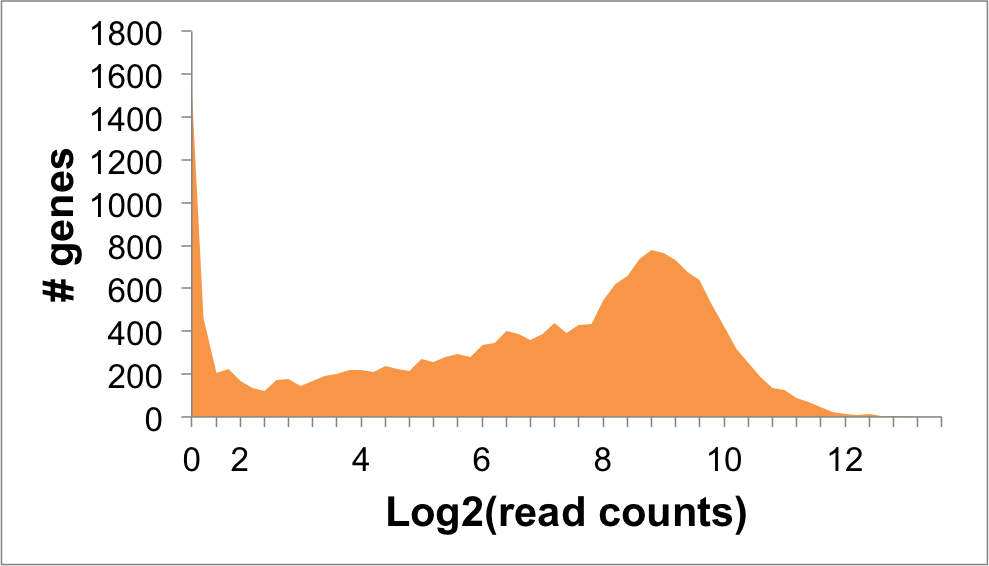
- Expression level (log2 read counts): -7.68
Expression Distribution
INS Expression in NALM6 Cells: -7.68