SIRPA
Gene Information
- Official Symbol: SIRPA
- Official Name: signal regulatory protein alpha
- Aliases and Previous Symbols: N/A
- Entrez ID: 140885
- UniProt: P78324
- Interactions: BioGRID
- PubMed articles: Open PubMed
- OMIM: Open OMIM
Function Summary
- Entrez Summary: N/A
- UniProt Summary: N/A
Pfam Domains GO Terms
Pfam Domains
| C2-set 2 |
| V-set |
| C1-set |
GO Terms
| negative regulation of I-kappaB phosphorylation |
| negative regulation of macrophage inflammatory protein 1 alpha production |
| negative regulation of chemokine (C-C motif) ligand 5 production |
| monocyte extravasation |
| regulation of I-kappaB phosphorylation |
| regulation of macrophage inflammatory protein 1 alpha production |
| protein binding involved in heterotypic cell-cell adhesion |
| protein antigen binding |
| regulation of chemokine (C-C motif) ligand 5 production |
| negative regulation of nitric oxide metabolic process |
| negative regulation of interferon-beta production |
| negative regulation of nitric oxide biosynthetic process |
| GTPase regulator activity |
| negative regulation of cytokine production involved in inflammatory response |
| negative regulation of chemokine production |
| cell-cell adhesion mediator activity |
| negative regulation of phagocytosis |
| protein tyrosine kinase binding |
| negative regulation of reactive oxygen species biosynthetic process |
| heterotypic cell-cell adhesion |
| negative regulation of JNK cascade |
| cellular extravasation |
| regulation of cytokine production involved in inflammatory response |
| negative regulation of I-kappaB kinase/NF-kappaB signaling |
| negative regulation of interleukin-6 production |
| negative regulation of type I interferon production |
| negative regulation of stress-activated protein kinase signaling cascade |
| negative regulation of stress-activated MAPK cascade |
| regulation of interferon-beta production |
| mononuclear cell migration |
| cellular response to interleukin-12 |
| response to interleukin-12 |
| negative regulation of reactive oxygen species metabolic process |
| regulation of nitric oxide biosynthetic process |
| negative regulation of tumor necrosis factor production |
| ficolin-1-rich granule membrane |
| negative regulation of tumor necrosis factor superfamily cytokine production |
| negative regulation of ERK1 and ERK2 cascade |
| positive regulation of phagocytosis |
| cellular response to hydrogen peroxide |
| tertiary granule membrane |
| regulation of chemokine production |
| regulation of interleukin-1 beta production |
| protein phosphatase binding |
| regulation of reactive oxygen species biosynthetic process |
| regulation of interleukin-1 production |
| regulation of phagocytosis |
| regulation of interferon-gamma production |
| cellular response to antibiotic |
| response to hydrogen peroxide |
| regulation of type I interferon production |
| myeloid leukocyte migration |
| SH3 domain binding |
| cellular response to reactive oxygen species |
| negative regulation of inflammatory response |
| regulation of interleukin-6 production |
| regulation of tumor necrosis factor production |
| regulation of tumor necrosis factor superfamily cytokine production |
| cellular response to interferon-gamma |
| negative regulation of MAPK cascade |
| cellular response to interleukin-1 |
| regulation of reactive oxygen species metabolic process |
| response to interferon-gamma |
| cellular response to lipopolysaccharide |
| regulation of JNK cascade |
| cellular response to molecule of bacterial origin |
| response to reactive oxygen species |
| response to interleukin-1 |
| positive regulation of T cell activation |
| negative regulation of defense response |
| cellular response to toxic substance |
| cellular response to biotic stimulus |
| positive regulation of leukocyte cell-cell adhesion |
| regulation of stress-activated MAPK cascade |
| regulation of I-kappaB kinase/NF-kappaB signaling |
| regulation of stress-activated protein kinase signaling cascade |
| cellular response to oxidative stress |
| positive regulation of cell-cell adhesion |
| negative regulation of cytokine production |
| regulation of ERK1 and ERK2 cascade |
| regulation of leukocyte cell-cell adhesion |
| response to antibiotic |
| response to lipopolysaccharide |
| regulation of T cell activation |
| response to molecule of bacterial origin |
| regulation of inflammatory response |
| regulation of neurotransmitter levels |
| positive regulation of lymphocyte activation |
| negative regulation of response to external stimulus |
| leukocyte migration |
| response to oxidative stress |
| regulation of cell-cell adhesion |
| positive regulation of leukocyte activation |
| cellular response to drug |
| positive regulation of cell adhesion |
| negative regulation of protein phosphorylation |
| positive regulation of cell activation |
| negative regulation of phosphorylation |
| negative regulation of transport |
| neutrophil degranulation |
| neutrophil activation involved in immune response |
| neutrophil mediated immunity |
| neutrophil activation |
| granulocyte activation |
| cell-cell adhesion |
| response to toxic substance |
| negative regulation of intracellular signal transduction |
| leukocyte degranulation |
| regulation of lymphocyte activation |
| myeloid leukocyte mediated immunity |
| cellular response to lipid |
| myeloid cell activation involved in immune response |
| response to inorganic substance |
| regulation of vesicle-mediated transport |
| negative regulation of phosphate metabolic process |
| negative regulation of phosphorus metabolic process |
| myeloid leukocyte activation |
| negative regulation of protein modification process |
| regulation of leukocyte activation |
| cell surface |
| leukocyte activation involved in immune response |
| cell activation involved in immune response |
| regulation of cell activation |
| regulation of cell adhesion |
| response to bacterium |
| regulation of cytokine production |
| regulated exocytosis |
| regulation of cellular response to stress |
| regulation of MAPK cascade |
| regulation of defense response |
| leukocyte mediated immunity |
| innate immune response |
| exocytosis |
| response to lipid |
| leukocyte activation |
| cell adhesion |
| biological adhesion |
| defense response to other organism |
| cell migration |
| positive regulation of transport |
| secretion by cell |
| cellular response to cytokine stimulus |
| response to drug |
| negative regulation of cellular protein metabolic process |
| export from cell |
| cellular response to oxygen-containing compound |
| cell activation |
| cell motility |
| localization of cell |
| immune effector process |
| regulation of response to external stimulus |
| response to cytokine |
| negative regulation of protein metabolic process |
| secretion |
| positive regulation of immune system process |
| negative regulation of multicellular organismal process |
| negative regulation of signal transduction |
| response to other organism |
| response to external biotic stimulus |
| locomotion |
| response to biotic stimulus |
| defense response |
| negative regulation of cell communication |
| negative regulation of signaling |
| integral component of plasma membrane |
| regulation of protein phosphorylation |
| regulation of response to stress |
| negative regulation of cellular biosynthetic process |
| negative regulation of biosynthetic process |
| movement of cell or subcellular component |
| response to oxygen-containing compound |
| regulation of phosphorylation |
| negative regulation of response to stimulus |
| regulation of immune system process |
| cellular response to stress |
| regulation of phosphate metabolic process |
| regulation of phosphorus metabolic process |
| regulation of intracellular signal transduction |
| regulation of protein modification process |
| regulation of transport |
| immune response |
| vesicle-mediated transport |
| membrane |
CRISPR Data
Compound Hit Most Correlated Genes in Chemogenomics Tissues where Essential in the Avana Dataset (DepMap 20Q1)
Compound Hit
No hits were found.
Most Correlated Genes in Chemogenomics
No correlation found to any other genes in chemogenomics.
Tissues where Essential in the Avana Dataset (DepMap 20Q1)
Global Fraction of Cell Lines Where Essential: 0/739
| Tissue | Fraction Of Cell Lines Where Essential |
|---|---|
| 1290807.0 | 0/1 |
| 909776.0 | 0/1 |
| bile duct | 0/28 |
| blood | 0/28 |
| bone | 0/26 |
| breast | 0/33 |
| central nervous system | 0/56 |
| cervix | 0/4 |
| colorectal | 0/17 |
| esophagus | 0/13 |
| fibroblast | 0/1 |
| gastric | 0/16 |
| kidney | 0/21 |
| liver | 0/20 |
| lung | 0/75 |
| lymphocyte | 0/16 |
| ovary | 0/26 |
| pancreas | 0/24 |
| peripheral nervous system | 0/16 |
| plasma cell | 0/15 |
| prostate | 0/1 |
| skin | 0/24 |
| soft tissue | 0/9 |
| thyroid | 0/2 |
| upper aerodigestive | 0/22 |
| urinary tract | 0/29 |
| uterus | 0/5 |
Essentiality in NALM6
- Essentiality Rank: 6988
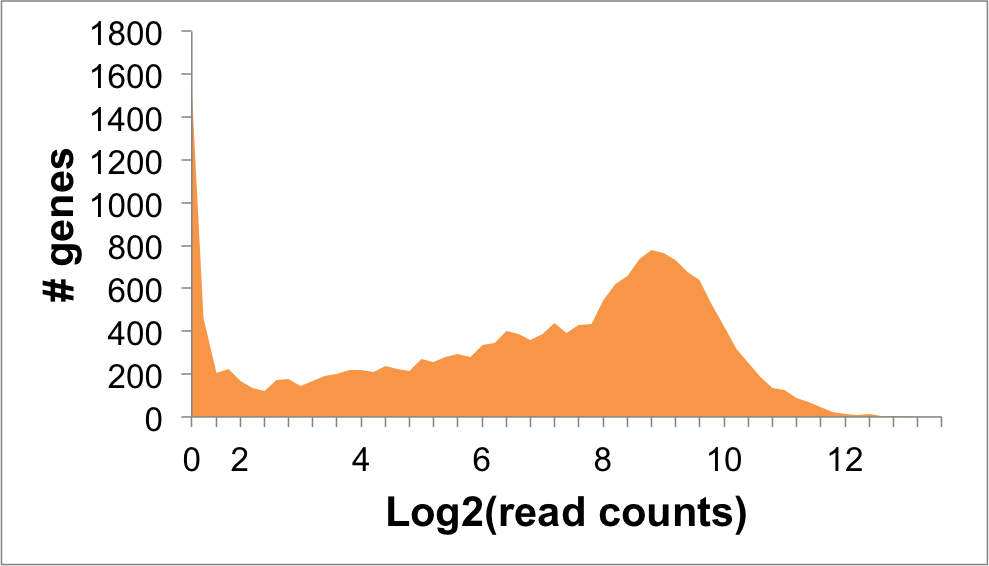
- Expression level (log2 read counts): -0.64
Expression Distribution
SIRPA Expression in NALM6 Cells: -0.64